
Livraison le jour même ou le lendemain

Qualité garantie

Débloquez vos offres de bienvenue: Livraison GRATUITE | Jusqu'à -80 % | 30 jours d'essai gratuits à JoyPlus
Téléchargez l'application
Choosing a new sports outfit can quickly become a headache. Between futuristic-sounding technologies, a multitude of materials, and various cuts, it's easy to make the wrong choice and regret your purchase. The wrong gear isn't just uncomfortable: it can hinder your performance and wear out in record time. To help you make the right decision, let's review the most common pitfalls.
The 3 mistakes to avoid when buying sportswear:
To build an effective men's sportswear ensemble, it's better to rely on objective features than on brand marketing. Here are the key points to check.
The choice of fabric is paramount. Men's technical apparel is almost always made from synthetic materials, whose properties are far superior for physical activity.
Good sportswear should be unnoticeable. To achieve this, the cut and construction details are crucial.
Every athlete needs the right gear. Here are a few products we recommend, categorised by use case to help you find the ideal garment for your activity.
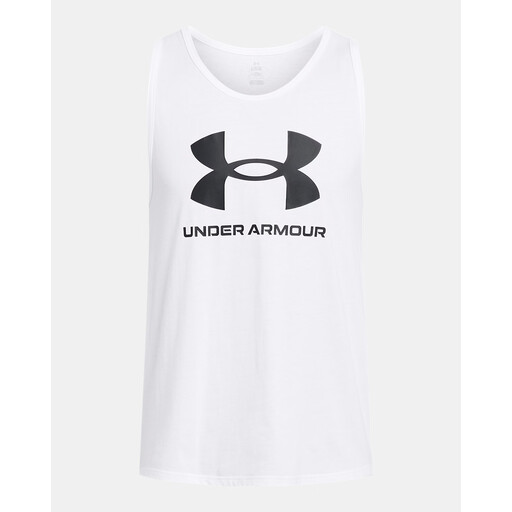
Perfect for the weight room as well as for moderate activities. Its understated style and comfortable fit also make it an easy piece to wear every day.
Its 60% cotton / 40% polyester blend is the ideal compromise. It offers the softness of cotton without falling into the "all-cotton" trap that retains moisture, while still benefiting from the technical properties of polyester.
Optimal comfort for extended wear. Durable and easy-care fabric. Contains at least 40% recycled polyester.
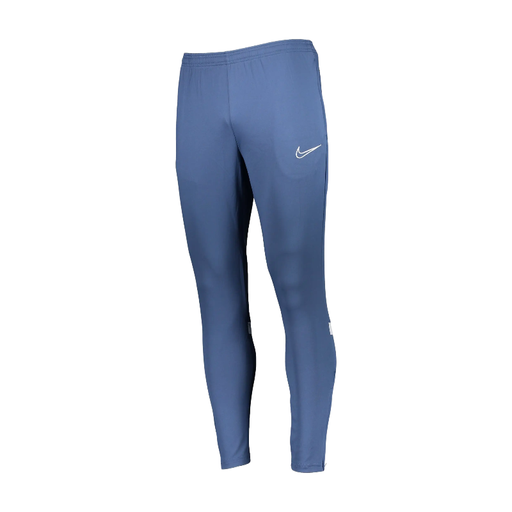
Designed for football training or running in cool weather. Its tapered fit and ankle zips allow you to put it on and take it off in a flash, even over shoes.
More than just a marketing buzzword, Nike's Dri-FIT technology has a proven track record. It wicks sweat to the fabric's surface where it evaporates quickly, ensuring you stay dry.
Excellent moisture management. Tapered fit that is both modern and functional. Made from 100% recycled polyester.
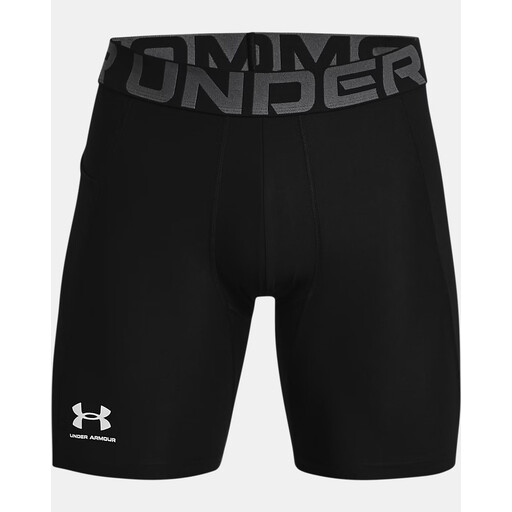
Ideal as a base layer for weightlifting, cross-training, or HIIT. It provides targeted muscle support and absolute freedom of movement, even during the most demanding exercises.
Its ergonomic design places the seams away from high-friction areas, thus preventing irritation. The gusset and mesh panels are fully engineered for performance.
Ultralight HeatGear compression fabric. Strategic ventilation thanks to mesh panels. Practical and well-designed side pocket.
We've curated a complete range of products that meet our strictest selection criteria.
1. How do I care for my technical apparel to make it last longer?
To preserve their properties (breathability, elasticity), wash them inside out at a low temperature (30°C maximum). Above all, never use fabric softener: it clogs the fabric's fibres and destroys their ability to wick sweat. Opt for air-drying; the harsh heat of a tumble dryer can irreversibly damage the elastic fibres.
2. Is compression gear really useful for sports?
Compression garments apply light pressure to the muscles. Some athletes appreciate the supportive feeling they provide, especially during intense or prolonged efforts. They are also sometimes used to aid recovery. Whether to wear them or not is a very personal choice and depends primarily on how you feel and your comfort level.
3. Recycled vs. virgin polyester: is there a performance difference?
From a purely technical standpoint, the difference is virtually non-existent. Major manufacturers now master production processes that guarantee high-quality recycled polyester, offering the same durability, lightness, and wicking capability as virgin polyester. Choosing a recycled material is therefore a positive step for the planet, with no compromise on performance.