
Livraison le jour même ou le lendemain

Qualité garantie

Débloquez vos offres de bienvenue: Livraison GRATUITE | Jusqu'à -80 % | 30 jours d'essai gratuits à JoyPlus
Téléchargez l'application
Choosing a new men's sportswear outfit can quickly become a headache. Between technologies with baffling names and bold marketing claims, it's easy to regret a purchase after just a few sessions. This guide is here to help you identify the features that truly matter, ensuring your investment leads to comfort and performance, not disappointment.
Before you even look at products, it's crucial to understand the most common mistakes that lead to a poor choice.
To get it right, focus on these three technical parameters. They are what truly define the quality of sports gear.
A garment's ability to manage sweat is paramount. It's THE key criterion that separates a basic t-shirt from an effective training t-shirt.
The garment's shape must be suited to your discipline.
Good sportswear is an investment. Its longevity depends on the quality of its construction.
Every athlete has specific needs. Here are a few recommended options tailored for different uses.
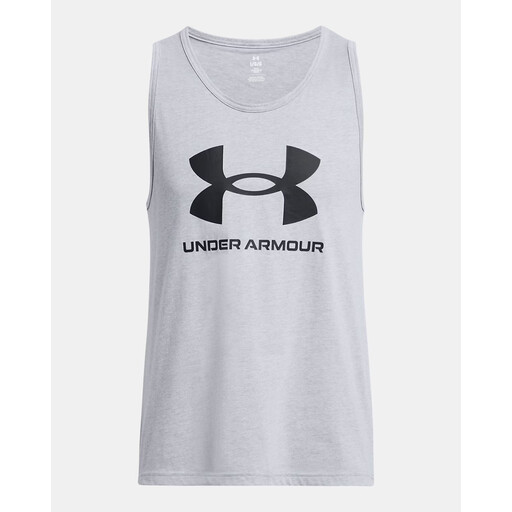
Why it's a great choice: Ideal for anyone looking for a versatile piece that's equally at home in the gym or for a casual outing. Its cotton/polyester blend offers an excellent balance of comfort and quick-drying performance.
It sidesteps the 100% cotton trap. The polyester content ensures far superior moisture management than a standard tank top, preventing that damp, clingy feeling.
Ultra-soft fabric for all-day comfort. Contains at least 40% recycled polyester.
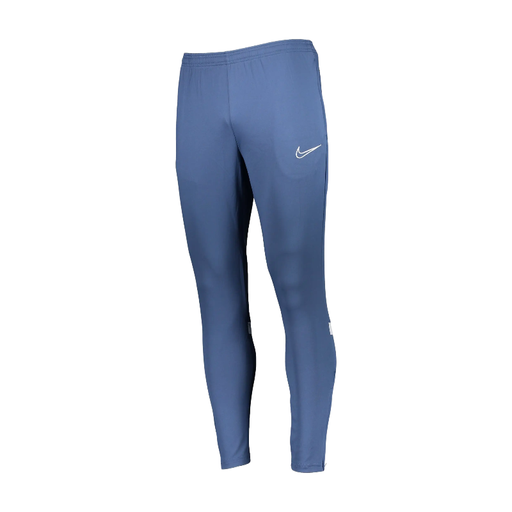
Why it's a great choice: Built for running, football, or any intense training. Its tapered fit and technical Dri-FIT fabric are optimised for pure performance, keeping the athlete dry and comfortable.
These pants avoid the "wrong fit" trap. Ankle zips make them easy to pull on and off over shoes, and the tapered cut never gets in the way of your movements.
Dri-FIT technology for efficient sweat-wicking. Made from 100% recycled polyester fabric.
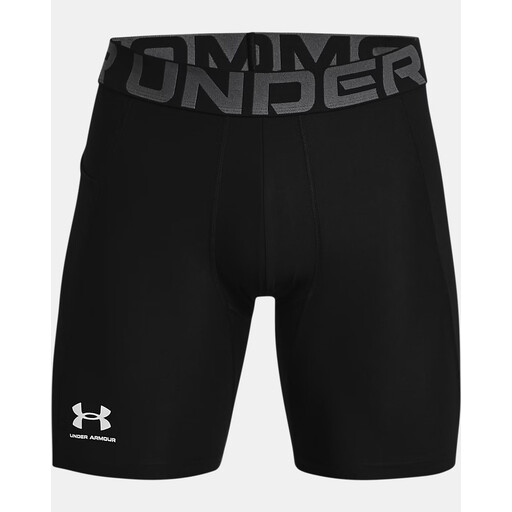
Why it's a great choice: Perfect for weightlifting, cross-training, or HIIT sessions. The compression support and targeted ventilation are essential for powering through intense efforts.
These shorts avoid the chafing-seam trap. Their ergonomic design places seams away from high-abrasion zones, ensuring chafe-free comfort, even during squats and lunges.
Lightweight and breathable HeatGear fabric. Strategic mesh panels for targeted ventilation.
Explore our complete, up-to-date selection of products that meet our demanding selection criteria.
Breathable apparel allows air to circulate through the fabric, which helps regulate body temperature. Moisture-wicking apparel is designed to pull moisture away from the skin and move it to the fabric's outer surface, where it can evaporate quickly. The best men's technical apparel combines both of these properties.
To preserve the technical properties of your sports jacket or t-shirt, wash them inside out in cold water (30°C / 86°F). Never use fabric softener, as it clogs the fibres and negates their wicking capabilities. Opt for air-drying instead of using a tumble dryer, which can damage elastic fibres like elastane.
A compression short should provide a firm, second-skin feel without ever cutting off circulation or restricting movement. If you feel discomfort, tingling, or see deep marks on your skin after taking them off, they are likely too small. Their job is to support your muscles, not to constrict them.