
Livraison le jour même ou le lendemain

Qualité garantie

Débloquez vos offres de bienvenue: Livraison GRATUITE | Jusqu'à -80 % | 30 jours d'essai gratuits à JoyPlus
Téléchargez l'application
Buying a men's sports t-shirt? In theory, nothing could be simpler. Except in practice, we all have that one promising t-shirt that ends up abandoned at the bottom of a drawer. Because it's scratchy, turns into a sponge at the first sign of sweat, or loses its shape after the third wash. Choosing the right sports top is an investment in your comfort and performance, whether for a CrossFit session or a casual look.
To avoid falling into the common traps, here are the classic mistakes to steer clear of.
Making the right choice comes down to two key factors: the material and the fit. Together, they determine 90% of your t-shirt's comfort and effectiveness.
The choice of fabric depends primarily on your activity. There's no single miracle material, just the right material for the right purpose.
The cut and construction of the t-shirt directly impact your comfort and freedom of movement.
To help you see more clearly, here are a few models that cater to very distinct user profiles.
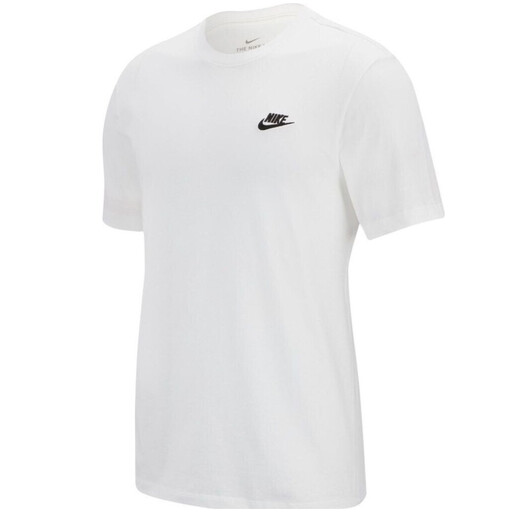
Why we recommend it: It's the ultimate iconic basic. With its classic fit and 100% cotton fabric, it's perfect for an effortless, everyday athleisure look.
This t-shirt owns its role: style and comfort above all, not performance. It doesn't fall into the trap of using cotton for the wrong purpose, as it's clearly positioned as a lifestyle garment.
Absolute Comfort: The 100% cotton fabric is soft and pleasant against the skin. The embroidered logo is a mark of quality and durability, far superior to a simple screen print.
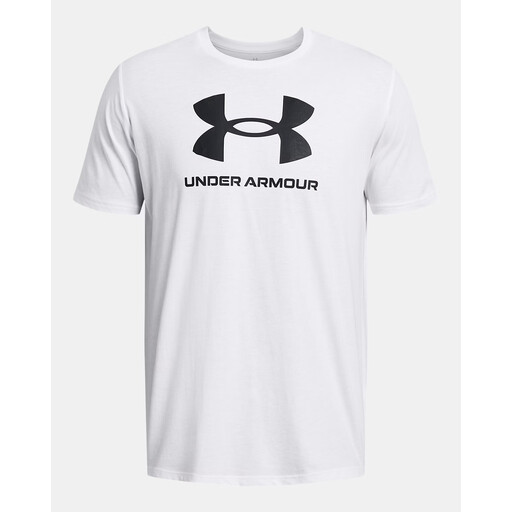
Why we recommend it: Built for athletes who are serious about their gear. This Under Armour t-shirt blends cotton and polyester for a perfect balance of softness and performance. Ideal for fitness, cross-training, or any activity where you really break a sweat.
Its hybrid fabric (60% cotton / 40% polyester) is the solution to the problem of a cotton t-shirt turning into a sponge. Here, the polyester comes into play to wick away sweat and keep you much more comfortable during your workout.
Sweat Management and Durability: The fabric is not only effective but also built to last. The ribbed collar won't lose its shape, and the use of recycled polyester is a significant plus.
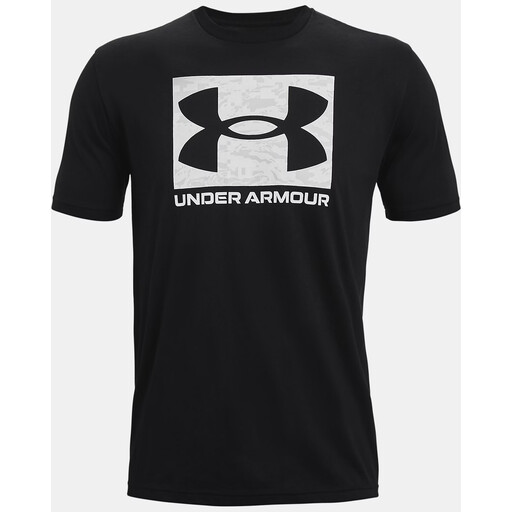
Why we recommend it: For those who refuse to choose between looks and technical features. It packs the same qualities as the classic UA t-shirt (cotton/polyester blend), but with added style thanks to its bold, graphic camouflage logo.
This model proves that a bold design doesn't mean a technical compromise. It's truly versatile, able to go from the gym to the street without sacrificing comfort or effectiveness.
Bold Look and Versatility: The graphic logo makes it a statement piece. Its technical fabric and comfortable fit make it ready to follow you in all your activities.
Discover our complete selection of technical tops, all chosen for their quality and performance to meet the expectations of the most demanding athletes.
1. Is a cotton t-shirt a good idea for sports? For a very gentle activity like a quiet walk or light yoga, maybe. But as soon as the intensity picks up and you start to sweat (fitness, running, training), it's a very bad idea. Cotton soaks up water, becomes heavy, cold, and clings to the skin. This is not only uncomfortable but also increases the risk of catching a chill after your session.
2. How do I care for my sports t-shirt to make it last? Wash it inside out at a low temperature (30°C maximum). Most importantly, never use fabric softener: it clogs the fabric's pores and destroys its breathable properties. Finally, opt for air drying. The tumble dryer and its intense heat are the enemies of technical and elastic fibres.
3. Training t-shirt vs. running t-shirt: what's the difference? Although they look similar, their designs meet different needs. A training t-shirt is designed for versatility and durability. It must guarantee total freedom of movement for varied exercises (weightlifting, HIIT, etc.). A running t-shirt, on the other hand, is all about lightness and maximum ventilation. It also often includes reflective elements to be visible during low-light outings. Its fit is also often closer to the body to reduce wind resistance.