
Livraison le jour même ou le lendemain

Qualité garantie

Débloquez vos offres de bienvenue: Livraison GRATUITE | Jusqu'à -80 % | 30 jours d'essai gratuits à JoyPlus
Téléchargez l'application
Choosing a pair of men’s sports socks is about more than finding the right size. The material, support and foot construction have a direct impact on comfort and durability. With models promoted as breathable, antibacterial or reinforced, it’s easy to pay for a promise that doesn’t really match how you plan to use them.
Before buying a multipack of men’s socks, focus on three criteria: the material, the height and the foot design. A pair that feels comfortable for a weights session won’t necessarily suit a runner, basketball player or hiker.
A very thick sock can feel soft and comfortable, but it may also compress your foot inside a shoe that already fits closely. For training or weightlifting, a terry-knit sole can be a real advantage. For running or hiking, it’s better to look for a balance between cushioning, moisture management and the space available inside the shoe.
Breathability depends on both the composition and the type of knit. Open-mesh panels can improve airflow, while cotton absorbs moisture without necessarily drying quickly. For running and hiking socks, technical synthetic fibres are often preferred for their ability to manage perspiration. Merino wool, meanwhile, helps regulate temperature, particularly in cold weather.
A sock that’s too large will crease and encourage rubbing. If it’s too small, it can quickly become uncomfortable during prolonged activity. Always check the European size guide. The elastic cuff should stay in place without applying excessive pressure to your leg.
Cotton socks are comfortable for everyday wear and suitable for moderate activities. A blend of cotton, polyester and elastane generally offers greater flexibility, shape retention and quicker drying than a 100% cotton model.
For regular sports use, check for polyester, nylon or elastane, as well as reinforcement at the heel and toes. These features are particularly useful with training, basketball or running shoes.
Merino wool socks are mainly intended for cooler temperatures. They can be suitable for skiing and winter hiking thanks to their ability to retain warmth while helping to wick away moisture. However, the proportion of wool remains important: a model containing 30% merino will not have the same feel or properties as a sock made predominantly from wool.
The height should also match your footwear. Ski socks that are too short can leave your skin rubbing against the top of the boot, while a running model that is too high may make your legs unnecessarily warm.
An elastic band around the arch can improve the feeling of support. Cushioned areas should be positioned where rubbing is most likely to occur, without creating an uncomfortable excess of material.
Compression socks require particular care: choose the size according to the manufacturer’s guide and don’t confuse them with a simple close-fitting model. For everyday sports use, the main aim is to keep the sock securely in place.
Care also affects durability. Follow the stated washing temperature, avoid excessive heat when the manufacturer advises against it, and opt for air-drying to help preserve the elasticity. “Antibacterial” claims should be treated with caution: when a brand states a percentage reduction for certain micro-organisms, this refers to data provided by that brand as part of its own product information, rather than a general health guarantee.
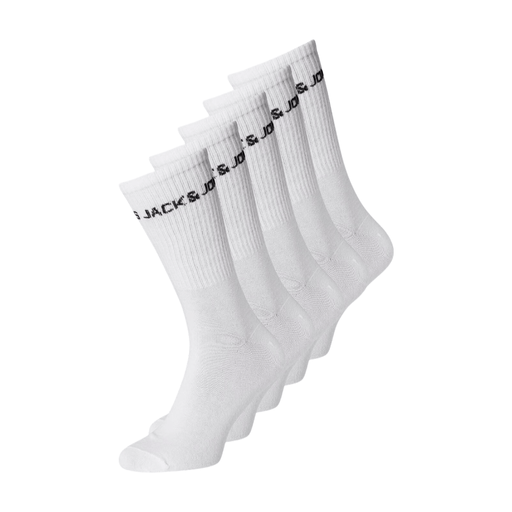
Why this choice suits this type of user : this five-pair pack is ideal if you’re looking for versatile socks for everyday wear, travel and moderate sporting activities. Its stated composition of 72 % cotton, 26 % polyester and 2 % elastane offers a good balance between softness and stretch.
The textile blend means you’re not choosing a sock based solely on its price. Its stretchy construction allows it to adapt to several uses.
5-pack : machine washable at 40 °C, discreet logo and circular jersey knit.
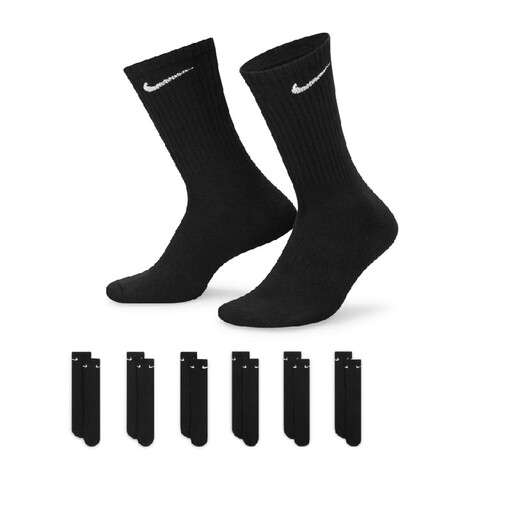
Why this choice suits this type of user : its thick terry-knit sole and mid-calf fit are designed for training, weightlifting and gym workouts, when you want extra comfort inside your shoes.
The ribbed band across the instep and arch helps to reduce slipping. The thickness is clearly concentrated around the sole.
6-pack : Nike’s stated Dri-FIT technology, terry-knit sole and EU sizes 34–50.
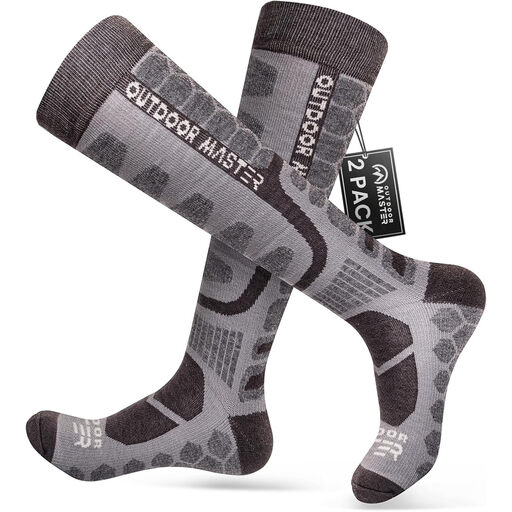
Why this choice suits this type of user : this over-the-calf model is designed for skiing and winter sports. Its blend containing 30 % merino wool, compression zones and targeted reinforcements are suited to wearing with snow boots.
The product details specify the composition, size and reinforced areas. This lets you check compatibility with your footwear instead of relying on a vague promise of warmth.
Two pairs, above-the-calf fit, stated non-slip cuff and machine washing with air-drying recommended.
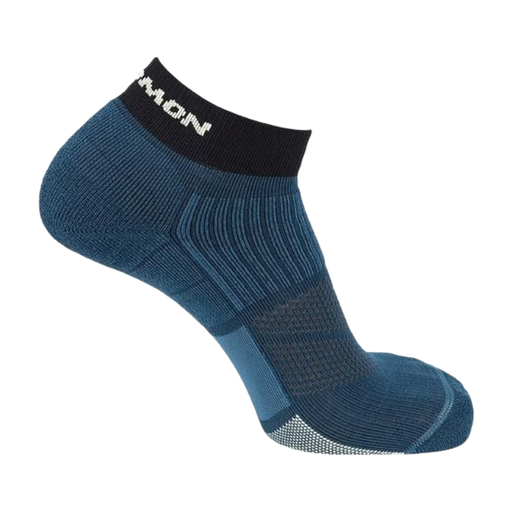
Why this choice suits this type of user : its low-cut design suits lightweight hiking shoes as well as running. The mesh panels are designed to promote airflow, while the cushioned sole improves comfort on longer outings.
The heel and toes are stated to be reinforced. You can therefore check the protection provided in the areas most exposed to wear before buying.
EU size 42–44, elastic arch support, stated moisture wicking and low-temperature care.
We’ve put together a complete, real-time updated list of products that fully meet these strict selection criteria and European safety regulations.
For running socks, choose a synthetic blend with breathable panels, good arch support and heel and toe reinforcements. Cotton may be suitable for occasional use, but it retains more moisture when used on its own.
A pack of 3 to 6 pairs allows you to alternate between workouts and washes. For everyday use or frequent training, a multipack of men’s socks reduces the cost per pair and limits wear caused by frequent washing.
Wash them according to the care label, avoid bleaching products when they are not recommended, and don’t pull excessively on the cuffs. Air-drying is particularly recommended for merino wool models, compression socks and those containing elastic fibres. Also check the condition of the heel, toes and sole regularly: a hole or noticeable thinning means it’s time to replace the pair.