
Livraison le jour même ou le lendemain

Qualité garantie

Débloquez vos offres de bienvenue: Livraison GRATUITE | Jusqu'à -80 % | 30 jours d'essai gratuits à JoyPlus
Téléchargez l'application
Choosing a pair of men’s socks might seem straightforward. Yet a fabric that traps moisture, an elastic that squeezes your ankle, or a sole that’s too thin can quickly ruin your comfort. Whether it’s for the office, walking, sport or basketball, the requirements are different.
Before you fill your basket, start by identifying your needs. The composition, height, fit and number of pairs often matter more than the promises printed on the packaging.
Cotton socks appeal with their soft feel and everyday comfort. Used on its own, especially in a thick knit, cotton can however retain moisture. For sport, choose a construction that promotes airflow or a blend that incorporates technical fibres.
Simply seeing “breathable” isn’t enough. Look at the composition, thickness and whether there are reinforced or ventilated zones.
Antibacterial socks may have a special textile treatment, but this label isn’t a medical promise. Its effectiveness varies depending on the treatment applied, washing conditions and length of use. Check the manufacturer’s information rather than seeing it as a guarantee against odours or irritation.
Good hygiene, thorough drying and rotating between several pairs remain the best habits.
Over-the-calf men’s socks cover more of the ankle and lower calf, while a short style works better with low-top trainers. A thick sole can improve comfort in certain shoes, but it also reduces the available space and may create a feeling of pressure.
Before ordering, check the cut, height and compatibility with your usual footwear.
In town or at the office, a cotton knit generally feels pleasant. For training, men’s sports socks should primarily reduce friction and wick away sweat. Polyester, nylon and elastane can improve fit, durability and adjustment.
The composition should always be considered in relation to the intended use:
An elastic band at the arch helps the sock stay in place. A shaped heel also limits creasing and slipping. For weight training, light running or long days on your feet, cushioned socks under the ball of the foot can provide welcome extra comfort.
Cushioning won’t, however, make up for an ill-fitting shoe. If your shoes are already narrow, a very thick sole will increase pressure on your toes.
European shoe size remains the best starting point. Avoid relying solely on the sock length: a pair that’s too big will wrinkle, while one that’s too small may compress your foot.
Care also affects the lifespan of the fibres:
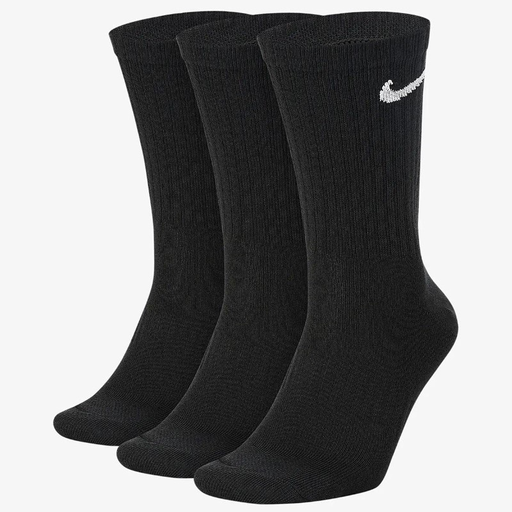
Why this choice suits this profile: This pack of 3 pairs makes a good foundation for rotating daily, during training sessions or on the go. Its mid-height covers the ankle and lower calf.
The product page mentions arch support and reinforced zones, rather than relying solely on a promise of softness.
Pack of 3 pairs, arch support, reinforced zones and stated composition of 75% cotton, 17% polyester, 6% nylon and 2% elastane.
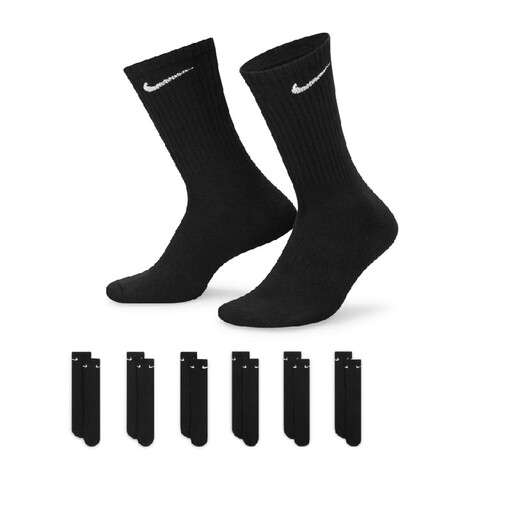
Why this choice suits this profile: This pack of 6 pairs is ideal for those who want to build a comfortable rotation for sport and everyday wear, with a thicker construction underfoot.
The sole thickness and ribbed band on the instep are clearly stated. This helps you better anticipate the volume taken up in the shoe.
Thick terry sole, shock absorption as stated on the product page, support band and pack of 6 pairs.
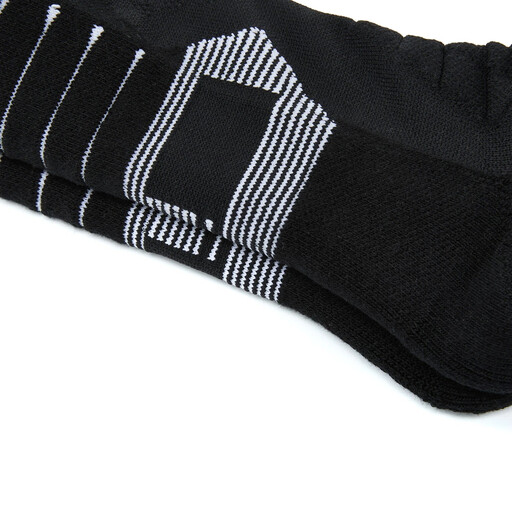
Why this choice suits this profile: This basketball sock style is suitable for training, friendly matches and anyone looking for a mid-calf height with a flexible fit.
The product page mentions an elastic cuff, stretch knit and mid-calf cut. Three points to check to reduce slipping during activity.
Mid-calf cut, jacquard pattern, polyester-elastane blend and silver ion treatment mentioned by the manufacturer.
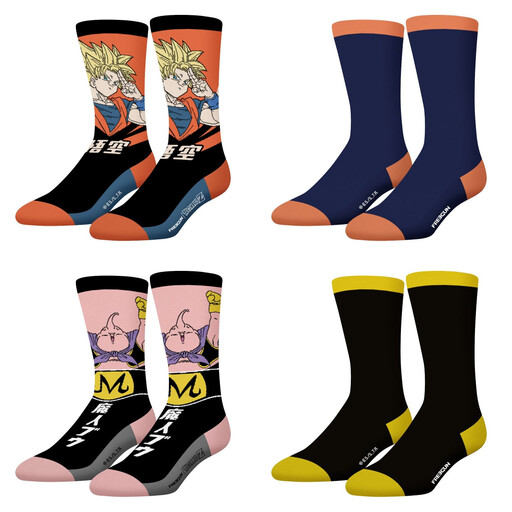
Why this choice suits this profile: This pack is aimed at manga fans who want to swap classic black men’s socks for colourful, graphic designs.
The composition and available sizes are stated, allowing you to check the material and fit beyond just the pattern.
Pack of 4 pairs, 72% cotton, sizes 39-42 and 43-46, with Dragon Ball Z-inspired designs.
We’ve put together a complete, real-time updated selection of products that meet these demanding criteria and European safety standards.
For daily use, a pack of 6 to 10 pairs lets you rotate easily between washes. Three pairs can be enough to start with or for occasional use. Athletes generally benefit from keeping separate styles for work, everyday wear and training.
Not necessarily. A cushioned sole can improve comfort in a shoe that’s roomy enough, but a knit that’s too thick may also create pressure. Choose the thickness based on your shoe, the activity and your sensitivity to friction.
Wash your socks following the label instructions, avoid temperatures that are too high and don’t dry them directly on a heat source. A well-chosen size also limits stretching of the knit and the formation of creases.