
Livraison le jour même ou le lendemain

Qualité garantie

Débloquez vos offres de bienvenue: Livraison GRATUITE | Jusqu'à -80 % | 30 jours d'essai gratuits à JoyPlus
Téléchargez l'application
Choosing men's running tights? On the surface, it seems easy. Yet, many runners are disappointed by a purchase that fails to live up to its promises. The wrong gear can quickly turn an enjoyable run into a total nightmare and tank your performance. Before you check out, it's best to know the common pitfalls to make the right choice.
Marketing often promises a "second-skin" effect and exceptional breathability. The reality is sometimes less glorious: some models turn into literal saunas, trapping moisture and causing irritation. Another classic pitfall is the so-called pocket for your keys or smartphone. If it's too small, poorly placed, or not secure, it quickly becomes a useless gimmick. Finally, the reflective elements, crucial for your safety, sometimes peel off after a few washes, leaving you invisible during your dawn or dusk runs.
This guide is here to help you navigate these pitfalls by focusing on the technical features that truly make a difference.
To make the right choice, three points need to be examined closely: moisture management, fit, and practical details.
A garment's ability to wick away sweat is the number one criterion. A good pair of moisture-wicking sports tights is made from synthetic materials like polyester or polyamide. These fabrics don't absorb moisture; they transfer it to the outer surface to evaporate.
Look for specific technologies highlighted by brands, such as New Balance's NB DRY, designed for quick-drying performance. Good moisture management prevents the post-run chill and drastically reduces the risk of chafing and irritation.
Men's running leggings must provide good muscle support without ever hindering movement. The fit should be snug, but without a tourniquet effect that would cut off circulation. The points to check are:
For those who run at dawn or after dark, visibility is not an option. Good reflective running gear must include logos or strips that catch headlight beams. Check that these elements are high-quality and securely attached to the fabric.
Practical features are just as crucial. Running tights with a pocket are standard today. Make sure the pocket is large enough for your essentials (keys, card, gel, or smartphone) and, most importantly, secure—ideally with a zip—so that nothing bounces around during your run. For runs in cold weather, winter running tights, often with a brushed fleece lining, will provide essential thermal insulation.
Here are a few models that check all the boxes for different types of runners, based on the objective criteria we've just detailed.
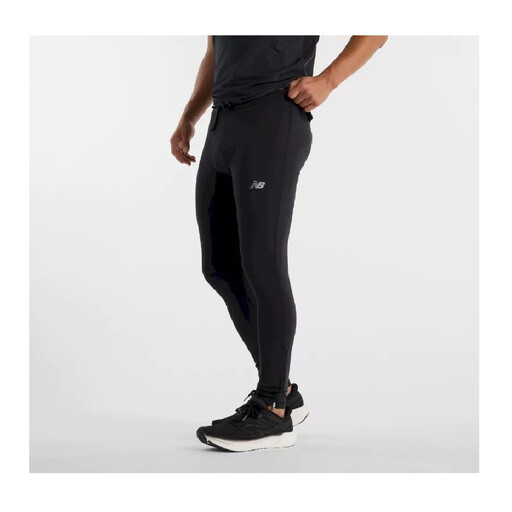
Why it's a great choice: Perfect for the regular runner who braves cool weather. Its versatile design combines moderate warmth, moisture-wicking, and safety for early morning or late-night training sessions.
The NB DRY technology effectively wicks away sweat and prevents the "sauna" effect. The reflective logo is designed to withstand washing without degrading.
Stretchy polyester fabric for comfort and just the right amount of warmth. Drawstring at the waist for a secure, no-slip fit.
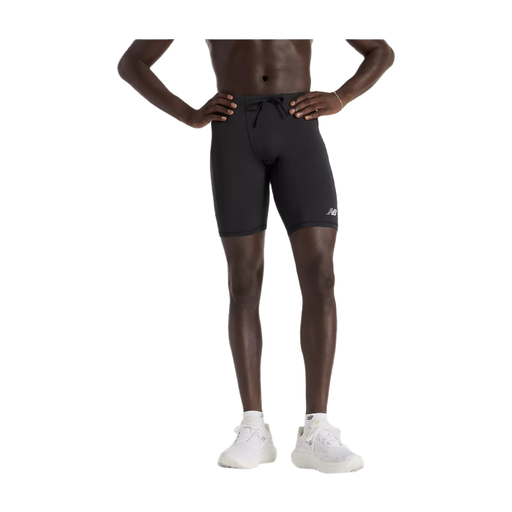
Why it's a great choice: Built for runners seeking speed and performance in mild weather. Its short, fitted cut offers targeted muscle support for total freedom of movement.
The pocket is genuinely functional and secure, far from being a simple gimmick. The flatlock seams eliminate chafing, even during the most intense efforts.
Four-way stretch fabric for absolute freedom of movement. A streamlined silhouette to cut through the air and support muscles.
Explore our full selection of sportswear that meets our quality criteria and current standards.
To preserve the technical properties of your running tights, machine wash them at 30°C (86°F), inside out if possible. Most importantly, do not use fabric softener: it clogs the fabric's fibres and destroys its ability to wick sweat. Let them air dry and avoid the tumble dryer, as its intense heat damages the elastic fibres and reflective elements.
The fit should be snug to benefit from muscle support and prevent the fabric from flapping, but without ever feeling constricted. You should be able to do a full squat without feeling excessive tension. Rely on the brands' size guides, taking the time to measure your waist and hips to get the right fit.
Standard running tights are suitable for the cool temperatures of spring or autumn. However, as soon as the thermometer drops near freezing or below, it's essential to switch to winter running tights. These specific models are lined with a brushed fabric (like a thin fleece) that provides much better thermal insulation while remaining breathable.