
Livraison le jour même ou le lendemain

Qualité garantie

Débloquez vos offres de bienvenue: Livraison GRATUITE | Jusqu'à -80 % | 30 jours d'essai gratuits à JoyPlus
Téléchargez l'application
Finding the ideal pair of men's running shoes can quickly become a daunting task. Between cushioning technologies, terrain types, and the specifics of each person's stride, it's easy to get lost. Don't panic: this guide is here to help you see things more clearly and choose the running sneakers perfectly suited to your feet, whether you're a casual Sunday jogger or a seasoned marathoner. We've scrutinized the best models on the market to bring you a selection that prioritizes comfort, performance, and durability.
Before diving into our selection, let's review the fundamentals that set an excellent pair of running shoes apart.
The first criterion to evaluate is, of course, the cushioning. A running shoe with good cushioning absorbs shock with every impact, protecting your joints over the long term. There are two main types of cushioning:
The final choice will depend on your personal feel and goals. One thing is certain: comfortable running shoes are essential for staying motivated and reducing the risk of injury.
You don't run on asphalt the same way you run in the forest. Your shoes must be adapted to your preferred surface.
The distance of your typical runs is another determining factor. For long distances, opt for generous cushioning and good support. For shorter, more explosive sessions, a lighter, more dynamic model will be your best ally.
Finally, your gait type comes into play. The vast majority of runners have a so-called universal (or neutral) gait: their foot rolls forward in a straight line with each impact. Rest assured, most shoes on the market are designed for this profile.
Here are a few models that stand out for their technical features and suitability for different runner profiles.
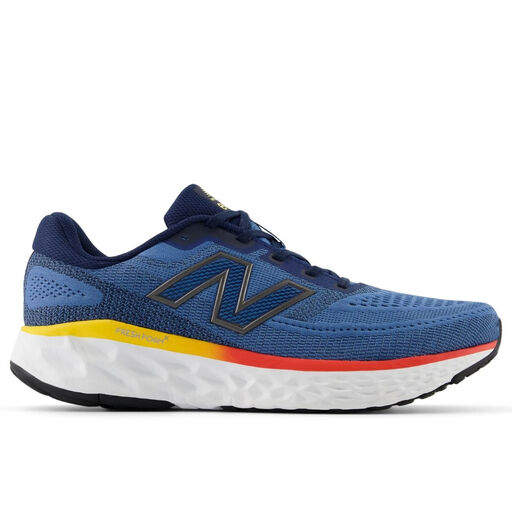
What Makes It Stand Out: The Fresh Foam x EVOZ v4 is the Swiss Army knife of running: it offers a near-perfect balance of comfort and stability. Its Fresh Foam midsole guarantees soft, generous cushioning that makes every mile easier. It's an incredibly versatile choice that will suit a wide variety of profiles.
Key Features:
Who Is It For? For runners of all levels, from beginner to expert, who want maximum cushioning and unwavering support for their daily training or long road runs.
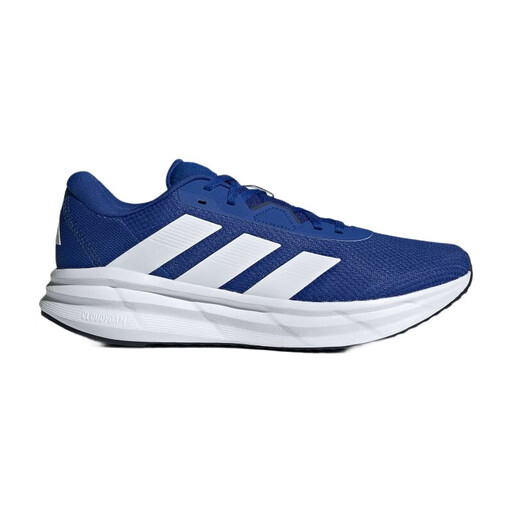
What Makes It Stand Out: The Adidas Galaxy 7 is a reliable, high-performance, and comfortable choice, built for runs up to 10 kilometers. It combines a lightweight, airy upper with the famous Cloudfoam midsole, which provides soft cushioning for super-soft landings.
Key Features:
Who Is It For? Perfect for regular runners looking for a reliable and comfortable shoe for their short to medium-distance road training (up to 10 km), with a universal (neutral) gait.
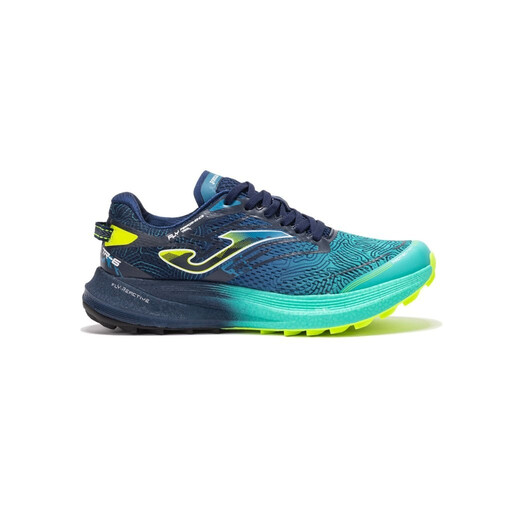
What Makes It Stand Out: Designed for hardcore trail running, the Joma TR-6000 is equipped to tackle the most demanding terrains. Its robust construction, rock plate, and aggressive lugged outsole provide all the protection and grip needed to venture off the beaten path with confidence.
Key Features:
Who Is It For? For all trail running and outdoor adventure enthusiasts who demand a robust, protective shoe with an unfailing grip to explore the trails.
Performance is essential, but looks matter too! Our selection prioritizes technical features, but nothing stops you from finding the pair that combines performance and style. If you have a soft spot for blue, a color that's easy to match with most sportswear, take a look at our complete collection.
Discover our collection of blue shoes for men
1. When should you replace your running shoes? Generally, it's recommended to get a new pair every 500 to 800 kilometers (about 300-500 miles). Of course, this figure varies depending on your weight, stride, and the type of terrain. The best indicator is wear and tear: if the outsole is smooth, the cushioning feels "packed out" or compressed, or they're no longer comfortable, it's time to replace them.
2. What's the difference between running shoes and everyday sneakers?Men's running sneakers are powerhouses of technology, specifically developed for running. They integrate cushioning, support, and stability systems to absorb shock and optimize every stride. Lifestyle or classic fitness sneakers simply don't offer the same level of performance or protection for regular running.
3. Is it really necessary to have one pair for the road and one for the trail? Absolutely. And for good reason: trail shoes provide essential grip and protection on technical terrain where a road shoe would struggle. Conversely, running on asphalt with trail shoes is often uncomfortable due to the lugs and their rigidity. Having the right shoe for the right surface is a matter of safety, performance, and enjoyment.