
Livraison le jour même ou le lendemain

Qualité garantie

Débloquez vos offres de bienvenue: Livraison GRATUITE | Jusqu'à -80 % | 30 jours d'essai gratuits à JoyPlus
Téléchargez l'application
With an overwhelming array of models, technologies, and brands, choosing the right pair of men's running shoes can quickly become a daunting task. Whether you're a casual jogger training for your first 5K or a seasoned athlete chasing new records, the right gear makes all the difference.
This guide is here to provide you with clear benchmarks and practical advice. Our team of Joybuy experts will help you make sense of it all and find the shoe that truly fits your needs, without the unnecessary marketing jargon. We'll break down the essential selection criteria before introducing the standout models for the 2026 season.
Before diving into specific models, let's review the three pillars that should guide your choice.
Your primary running surface determines the type of shoe you should choose.
Cushioning is arguably the number one criterion for ensuring comfort in your running shoes. It refers to the midsole's ability to absorb the shockwave when your foot hits the ground. Good cushioning protects your joints and helps reduce fatigue. The level of cushioning you need depends on your weight, your stride, and, of course, your personal preference. Technologies vary (foams, gels, etc.), but the goal remains the same: a smoother run.
Your goals and running frequency also influence your choice. A running shoe for beginners will often prioritise comfort, stability, and good cushioning to safely support your first few outings. A more experienced runner might look for lighter, more dynamic models for speed, or shoes specific to a certain distance (marathon, 10K).
Here's a closer look at a few models that caught our eye and cater to different runner profiles.
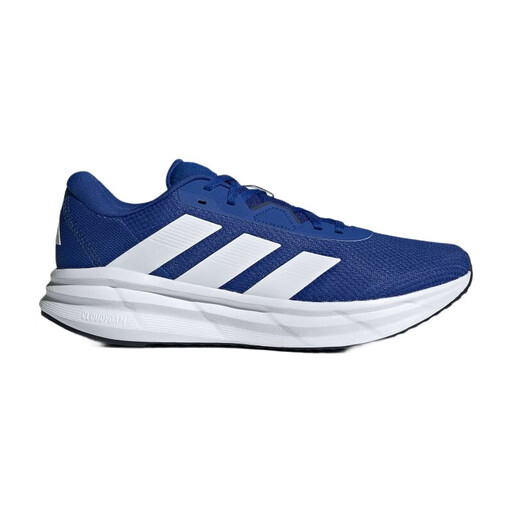
A reliable choice for daily training on the road. It's designed to offer unfailing comfort for distances up to 10 kilometres.
The Galaxy 7 relies on proven technologies for a highly pleasant running experience. Its Cloudfoam midsole provides a soft feel with every stride, from heel strike to toe-off. The breathable mesh upper ensures excellent ventilation, a significant advantage during summer runs.
Ideal for beginner to intermediate runners who train on roads or treadmills for regular short to medium-distance sessions.
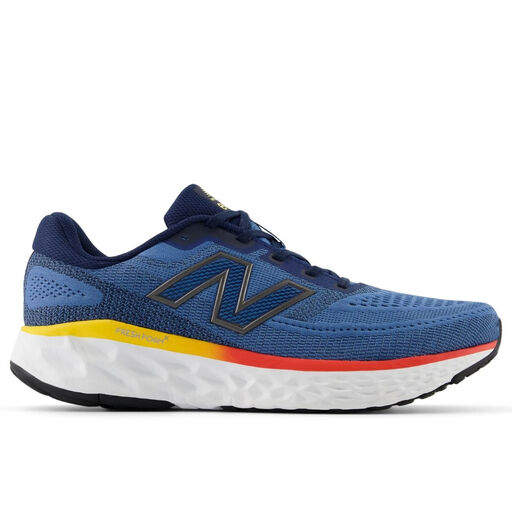
The Fresh Foam Evoz v4 is aimed at runners seeking the perfect balance between generous cushioning and reassuring stability, allowing them to log miles in complete comfort.
The heart of this shoe is its Fresh Foam X midsole. New Balance's promise: maximum cushioning with a feather-light weight. The model also integrates stability elements to guide the foot and ensure a smooth stride, making it a remarkably versatile option.
It suits a wide range of runners, from beginners looking for maximum comfort and support to seasoned runners needing a reliable shoe for their long runs.
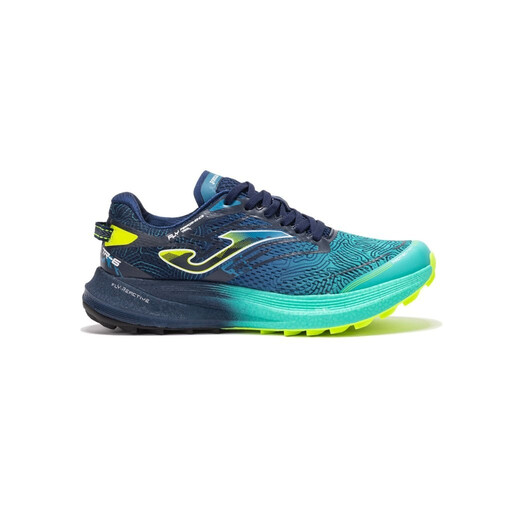
This model is built for adventure and for those who love running in nature. It is constructed to tackle all the challenges of uneven terrain.
The TR-6000 is a pure men's trail running shoe. Its design prioritises protection and grip. The reinforced toe guard at the front protects toes from impacts, while the outsole with aggressive lugs ensures an unfailing grip on mud, gravel, or rocks.
Intended for trail runners and fast hikers who venture off the beaten path and are looking for a stable and protective shoe.
Your running gear is essential for your sport. But style doesn't stop at the finish line. For moments of relaxation or occasions that call for a more polished look, your choice of footwear remains just as crucial.
If you'd like to explore elegant options to complete your wardrobe, we invite you to discover our collection.
Discover our selection of men's blue dress shoes
Generally, it's recommended to replace your running shoes every 600 to 800 kilometres (approx. 370-500 miles). This figure can vary depending on your weight, stride, and the surfaces you run on. Visible signs of wear on the outsole, a feeling of "packed-out" or compressed cushioning, or the onset of unusual aches are all warning signs: it's probably time for a new pair.
Yes, it is highly recommended. Road shoes offer neither the grip nor the protection essential for trail running. Conversely, the lugs and rigidity of a trail shoe can be uncomfortable and wear out prematurely on tarmac. Using the right shoe for each terrain improves your safety, comfort, and the durability of your gear.
The choice of cushioning is highly personal. A heavier runner or someone who logs long distances will often appreciate generous cushioning to protect their joints. A lighter runner or one seeking performance over short distances might prefer a firmer, more responsive shoe. There's no absolute rule; the important thing is to feel comfortable in your trainers.