
Livraison le jour même ou le lendemain

Qualité garantie

Débloquez vos offres de bienvenue: Livraison GRATUITE | Jusqu'à -80 % | 30 jours d'essai gratuits à JoyPlus
Téléchargez l'application
A cornerstone of the men's wardrobe, the polo shirt is the perfect hybrid, sitting halfway between the casual feel of a t-shirt and the elegance of a dress shirt. Yet, buying a new one can quickly become a headache. Between brand promises and harsh reality, there's a high risk of ending up with a polo that loses its shape, colour, and all its appeal after just a handful of washes. To avoid disappointment and make a smart investment, let's break down the most common pitfalls together.
With a plethora of options available, it's easy to fall into certain traps that turn a promising purchase into a real letdown.
Fortunately, avoiding these disappointments is simply a matter of focusing on a few objective technical points. These are the true guarantors of your future polo's quality and longevity.
The fabric is the soul of the polo shirt. Piqué cotton remains the gold standard, and for good reason. Its textured weave offers several advantages:
Pay close attention to the fabric weight (grammage or GSM). A lightweight polo (140-170 g/m?) will be ideal for hot weather but potentially less durable. A higher grammage (200-240 g/m? and above) indicates a denser, more robust fabric with a crisper drape. A touch of elastane (a few percent) can also be a plus for comfort and shape retention.
A quality polo shirt is all in the details. Before you make your decision, scrutinise these points:
Rather than an endless list, we've matched user profiles with models that tick all the quality boxes we've just discussed.
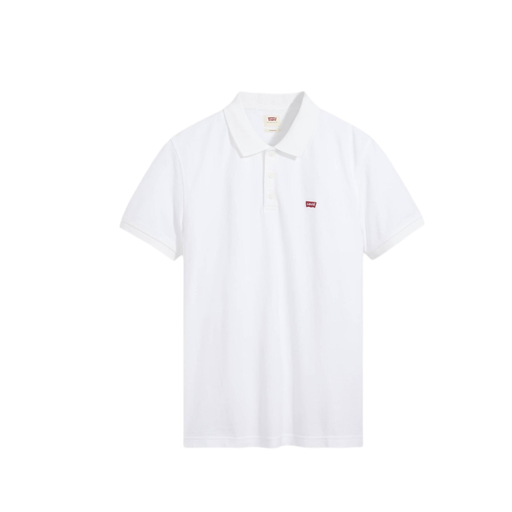
Why this choice? For the man seeking a safe bet—a timeless classic from a brand with a proven track record. It's the quintessential versatile polo, equally at home on casual Friday at the office as it is on the weekend.
Its 100% piqué cotton construction and Levi's reputation for durability are a safeguard against warping and shoddy finishing. Its standard fit is a reliable choice that minimises the risk of sizing surprises.
A clean design and consistent quality that make it the cornerstone of a solid basics wardrobe.
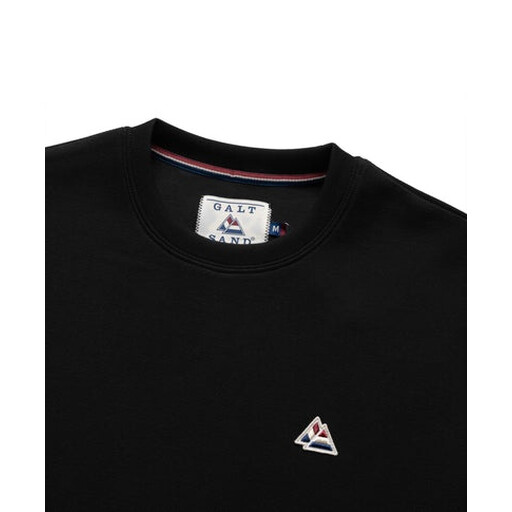
Why this choice? For the man who appreciates the weight and quality of a well-constructed garment. Note that this isn't a classic polo, but a piqué knit t-shirt that borrows polo styling cues for a unique look.
It sidesteps the mediocre fabric trap with an ultra-dense interlock piqué knit of 380 g/m?. Such a heavy grammage guarantees exceptional structure and rock-solid durability. The cotton, polyester, and elastane blend ensures shape and colour stability, wash after wash.
A premium feel and an impeccable drape thanks to its heavyweight fabric. Details like the 3D embroidered logo and tricolour neck tape mark this as a decidedly high-end piece.
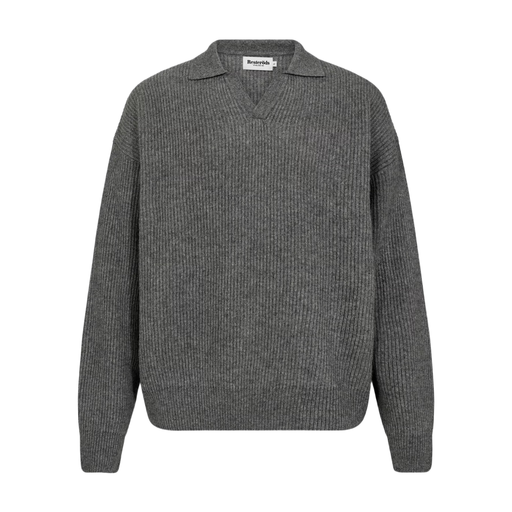
Why this choice? For the man who wants to enjoy the polo style beyond the summer. This long-sleeved model is a sophisticated alternative for transitional seasons or cool evenings, perfect on its own or under a jacket.
It takes the opposite approach to all-cotton with a blend of wool (80%) and polyamide (20%). The result: natural warmth and surprising softness for a polo. The polyamide reinforces the structure for enhanced durability and to prevent any sagging.
Four-season versatility. It combines the warmth and noble texture of wool with the relaxed, iconic silhouette of the polo shirt.
We've curated a complete selection of polo shirts that meet all our criteria for quality and durability.
A well-fitting polo should follow a few simple rules. The seams should sit right on the edge of your shoulders. The sleeves should end mid-bicep without being too tight. As for length, it should cover your waistband but not much more, allowing you to raise your arms without exposing your midriff.
Piqué is the famous textured, honeycomb-like weave. It's more breathable, more structured, and therefore a bit more formal. Jersey is the smooth, soft knit of our classic t-shirts. It's more flexible and casual, but its collar tends to hold its shape less well, and the overall look is less dressy.
To preserve its colour and shape, wash it inside out at a low temperature (30°C maximum). Avoid fabric softener, which damages the fibres (especially elastane!). Skip the tumble dryer: opt for flat drying to prevent the weight of the water from distorting the knit. A light iron if needed, and it will be as good as new.