
Livraison le jour même ou le lendemain

Qualité garantie

Débloquez vos offres de bienvenue: Livraison GRATUITE | Jusqu'à -80 % | 30 jours d'essai gratuits à JoyPlus
Téléchargez l'application
A cornerstone of the modern man's wardrobe, the overshirt is the perfect hybrid between a shirt and a light jacket. But with an overwhelming number of options available, finding the right model can quickly become a headache. It's easy to fall into common pitfalls that turn a promising purchase into a regret. To avoid disappointment, let's review the mistakes you should never make.
To build a smart and sustainable wardrobe, it's best to rely on objective criteria. These are what define the true quality and versatility of a garment.
To make an informed choice, you need to focus on a few technical points. These are the true guarantees of durability and comfort for your future men's transitional jacket.
The choice of fabric is crucial. It determines not only the look and feel but also how the garment will age over time.
The cut is what sets it apart from a simple thick shirt. It needs to be roomy enough to slip over a T-shirt or a thin shirt, but not so loose that it looks baggy. A "regular" or "relaxed" fit is often the best choice. Be sure to check the size guide and the garment's measurements (chest, length) to ensure it suits your intended use. A good overshirt should look just as stylish worn open as it does buttoned up.
Quality is found in the details. Strong, even seams, securely attached buttons, and functional, well-aligned pockets are quality markers that should never be overlooked. These elements, often a signature of Scandinavian men's fashion and its functional approach, not only guarantee a longer lifespan but also a more refined aesthetic.
Instead of an endless list, here are a few profiles and their corresponding models, selected based on our criteria for quality and versatility.
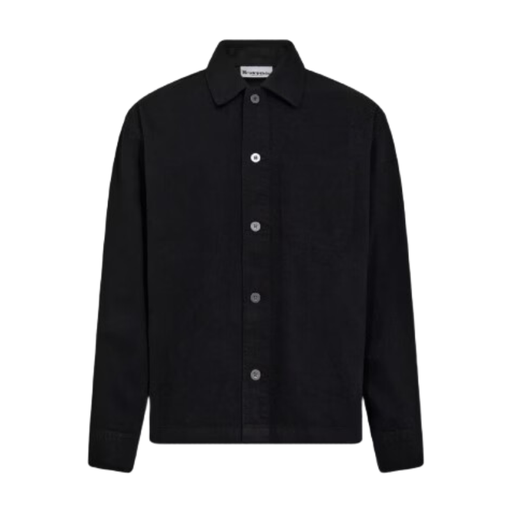
Why this model is a match: For the man seeking an easy-to-style centrepiece that's as comfortable for casual Fridays at the office as it is on the weekend. Its straight cut and clean design make it a foolproof foundation for countless outfits.
Its 100% cotton composition ensures excellent breathability and will develop a beautiful patina over time, without pilling. The cut is designed for layering and avoids the unflattering "sack" effect.
Absolute versatility: it works equally well as a light jacket over a T-shirt or as a heavy shirt under a coat.
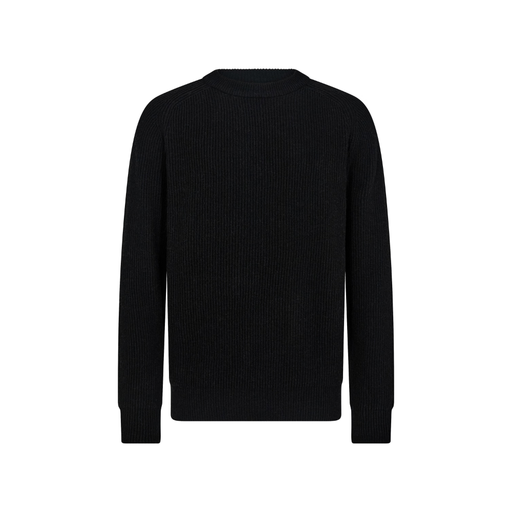
Why this model is a match: Although it's a pullover, it serves a similar role to a warm overshirt. Perfect for those who prioritise thermal insulation in transitional seasons or winter, without compromising on style.
The 80% wool and 20% polyamide blend is the winning combination for warmth and longevity. The polyamide reinforces the wool fibre, preventing stretching and wear, unlike low-end woollens that age poorly.
The natural warmth and breathability of wool, with added durability. A piece designed to last season after season.
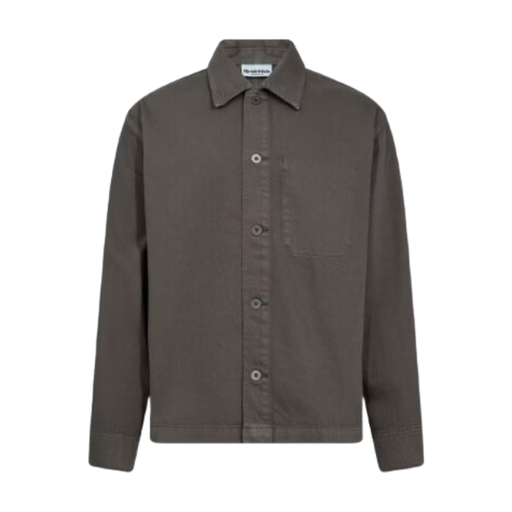
Why this model is a match: Swedish brand Rester?ds delivers a piece that embodies the spirit of Scandinavian men's fashion: functional, clean, and timeless. Its neutral grey colour integrates effortlessly into a minimalist wardrobe.
This model doesn't rely on logos or fleeting trends. Its real strength? A precise cut and meticulous construction. You're paying for quality, not for a design that will be out of style in a season.
A clean design and quality construction make it a long-term investment, true to the philosophy of sustainable menswear.
We have selected other models that meet our demanding selection criteria.
Its versatility is its greatest strength. For a men's smart casual look, wear it open over a solid-coloured T-shirt (white or black) with chinos or raw denim jeans. For a more polished look, wear it buttoned up like a shirt under a jacket or coat in winter. Pairing it with a fine-knit turtleneck is also an excellent option for a textured, elegant style.
It all comes down to fabric and cut. The overshirt is crafted from a thicker, more structured material (heavy cotton canvas, flannel, wool, corduroy). Its cut is also intentionally looser than a classic shirt's to allow for layering. It's designed as an outer layer, whereas a shirt is meant to be worn closer to the body.
It all depends on the material. For cotton, a machine wash at 30°C is usually sufficient. Skip the tumble dryer, which can shrink the fabric and wear out the fibres. For a wool model, opt for a cold hand wash to avoid damaging the fibre, and dry it flat to help it keep its shape. The best practice is always to check the care label.