
Livraison le jour même ou le lendemain

Qualité garantie

Débloquez vos offres de bienvenue: Livraison GRATUITE | Jusqu'à -80 % | 30 jours d'essai gratuits à JoyPlus
Téléchargez l'application
The overshirt has established itself as a cornerstone of the modern man's wardrobe, striking the perfect balance between the relaxed feel of a shirt and the protection of a light jacket. But how do you find that perfect piece? With a seemingly endless array of options, the pitfalls are numerous and can quickly turn a promising purchase into a disappointment. As a product expert at Joybuy, my mission is to guide you in making an informed choice.
Before we unveil our top picks, let's break down the most common mistakes and the essential criteria to look for.
Slick marketing can easily hide flaws that only become apparent with wear. Here are the three most common traps:
To avoid these disappointments, focus on three fundamental points that define a quality men's overshirt.
The choice of fabric is crucial for both the function and style of your overshirt.
The cut is what sets an overshirt apart from a simple thick shirt. Aim for a straight cut that's structured but never stiff. The shoulders should have a slight drop to make layering easy. As for the length, it should end just below the waistband. It's this precise balance that makes it a true men's shirt jacket.
The finishing touches reflect the overall quality of a garment. Pay close attention to:
To put theory into practice, here are a few models that exemplify these criteria and cater to different needs.
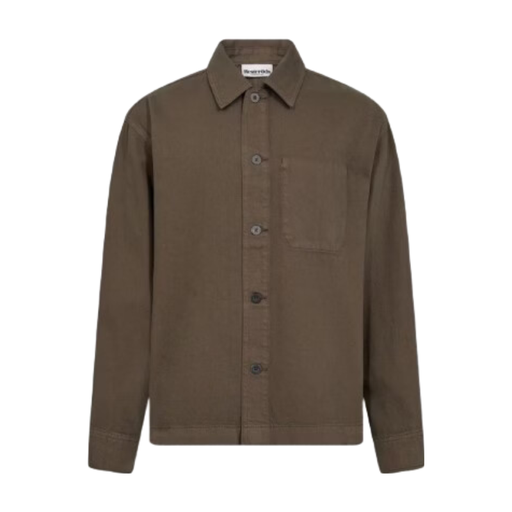
Why it's a match: He's looking for a classic, durable piece. This 100% cotton overshirt offers perfect comfort and breathability for daily wear. Its understated green colour pairs easily with raw denim or beige chinos for an authentic look.
Its sturdy 100% cotton construction is built to last, avoiding the fragility trap. Its relaxed fit is designed for layering without creating a 'baggy' effect.
The versatility and comfort of a natural fabric, ideal for the mid-season.
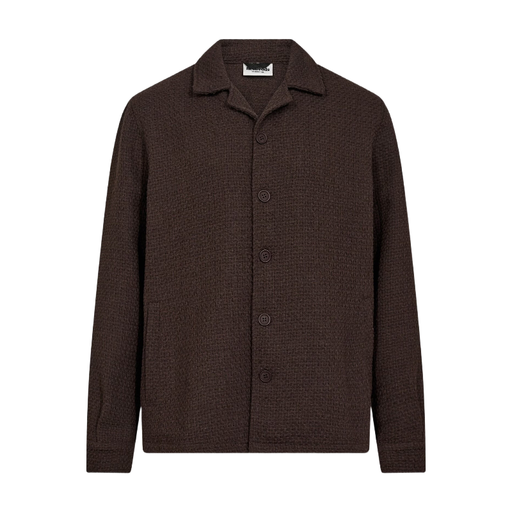
Why it's a match: He prioritises easy care and durability. This 100% polyester overshirt is lightweight, hard-wearing, and requires no ironing. Its modern style and loose fit make it an easy-to-wear everyday piece.
Its quality polyester ensures it holds its shape over time and is highly resistant to wear, sidestepping the fragility trap. Here, the choice of material is a deliberate one for practical use and a contemporary style.
Lightweight, durable, and low-maintenance for maximum practicality.
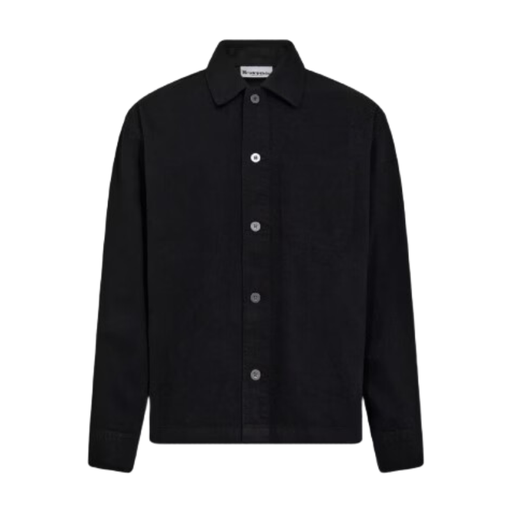
Why it's a match: He's looking for an understated and ultra-versatile piece. Black is a safe bet that works in any setting, from a casual office to a night out. The classic cotton cut makes it a reliable foundation for numerous looks.
Its clean design and timeless colour protect it from fleeting trends. The meticulous finishing and quality fabric guarantee it will look impeccable, wash after wash.
Maximum versatility and simplicity for an effortless urban style.
We've put together a complete selection of models that meet our quality standards.
For a successful smart casual look, layering is key. Pair your open overshirt with a high-quality plain t-shirt (white, grey, or black) or a fine-knit polo shirt. On the bottom, opt for chinos, flannel trousers, or raw denim jeans. Complete the outfit with smart footwear, like leather boots or minimalist white canvas or leather trainers.
The two main differences are the fabric and the cut. An overshirt is made from a thicker, more robust fabric (flannel, heavy cotton canvas, wool, corduroy). Its cut is straighter and looser than a classic shirt because it's designed to be worn as an outer layer, much like a light jacket. A classic shirt, on the other hand, is more fitted and made from finer fabrics like poplin or oxford.
Care depends on the material. For a cotton overshirt, a machine wash at 30°C is usually sufficient. Avoid the tumble dryer at all costs, as it can shrink the garment and wear out the fibres prematurely. Opt for air-drying on a hanger instead. For wool or other delicate materials, always refer to the care label and choose to hand-wash or dry-clean if necessary.