
Livraison le jour même ou le lendemain

Qualité garantie

Débloquez vos offres de bienvenue: Livraison GRATUITE | Jusqu'à -80 % | 30 jours d'essai gratuits à JoyPlus
Téléchargez l'application
A loafer can be worn with a suit, chinos or jeans, but not every style is suited to the same occasions. Before buying men’s leather loafers, it is therefore worth looking beyond the colour and brand name. An overly rigid sole, an unsuitable shape or poorly maintained leather can quickly turn an elegant pair into an impractical purchase.
Here are the main pitfalls to avoid, the criteria to examine and a selection of models suited to different needs.
The word “leather” should be checked in the product description. Look closely at which part it refers to: the upper, lining, insole or decorative details. A model may feature a leather upper while incorporating textile or synthetic materials in the lining.
For men’s leather loafers, prioritise a detailed materials breakdown and, where provided, the statement covering non-textile parts of animal origin. This information does not, by itself, predict how long the pair will last, but it does make it easier to compare models on a more objective basis.
Men’s slip-on shoes do not have laces to adjust the fit. A pair that is too wide may slip at the heel, while a model that is too narrow can compress the forefoot. Half sizes are not always available either.
Measure your foot in centimetres, preferably at the end of the day, then consult the model’s size chart. Foot length is generally more reliable than an automatic conversion between US, UK and European sizes.
A highly formal loafer will not necessarily work with a summer outfit, while men’s boat shoes with a flexible sole may not be appropriate for a ceremony. The shape, colour and sole provide a useful indication of the intended use.
For a pair of men’s dress shoes, smooth leather and an almond-shaped toe create a more structured look. A rounded shape feels more relaxed, while a square toe adds a more contemporary touch.
Suede, featured on some GEOX loafers, provides a distinctive texture and a less ceremonial aesthetic. It does, however, require greater care around water and stains. The product description should also specify the composition of the lining and insole.
A flat rubber sole can offer flexibility and reliable traction for everyday travel. It is nevertheless different from a sole designed for extended walking or uneven terrain.
If you plan to wear your men’s business-casual shoes when walking to work or using public transport, pay particular attention to:
Leather should never be machine-washed or dried near a heat source. For superficial dirt, a soft, slightly damp cloth is usually sufficient. Depending on the material, a suitable care product can help preserve the appearance of the upper.
After wearing them, allow your loafers to dry naturally and use shoe trees or paper to help them retain their shape. For suede, choose products specifically designed for the material and avoid immersing it in water.
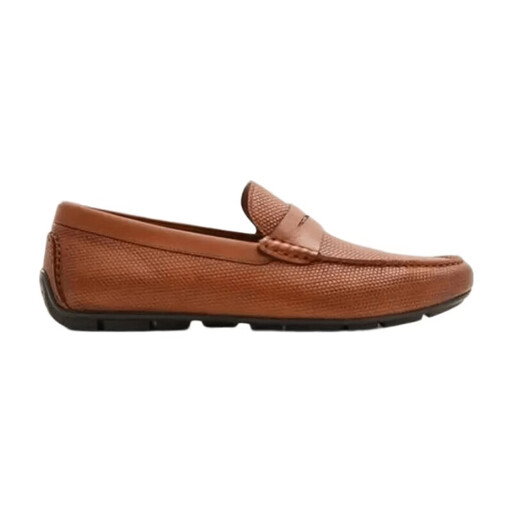
Why this model fits the bill: Its light-brown shade and rounded shape work equally well with a relaxed office look, an evening out or chinos.
The product description states that the upper is made from genuine leather and specifies a slip-on construction, along with a measurement chart in centimetres.
Stated genuine leather, a rubber sole and versatility for casual, professional and smart-casual wear.
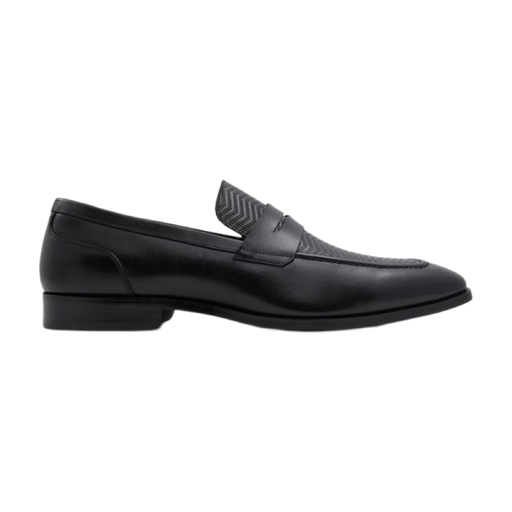
Why this model fits the bill: Its closed silhouette, almond toe and black colour pair effortlessly with office attire or tailored trousers.
The product description specifies a leather upper with embossed details and recommends cleaning with a soft cloth, without machine washing.
Lace-free fastening, a rubber sole and European sizes from 39 to 47, according to the product description.
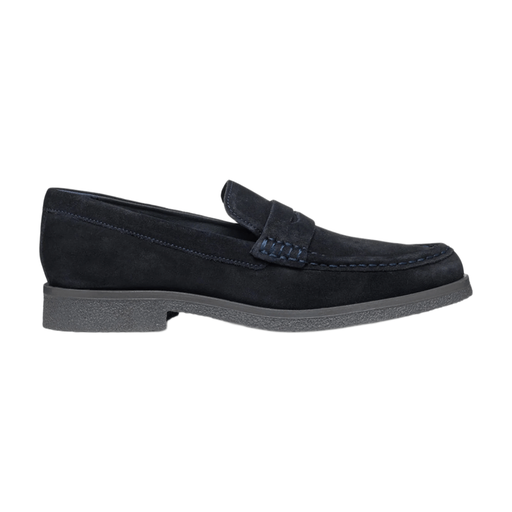
Why this model fits the bill: Its navy colour and suede leather upper are suited to professionals looking for comfortable men’s shoes with a more relaxed style.
The product description mentions a standard fit, a rubber sole and a fixed leather insole. The suede should nevertheless be protected from water.
Upper stated as 100% suede leather, with a lining made from leather, textile and synthetic material, plus a rubber sole.
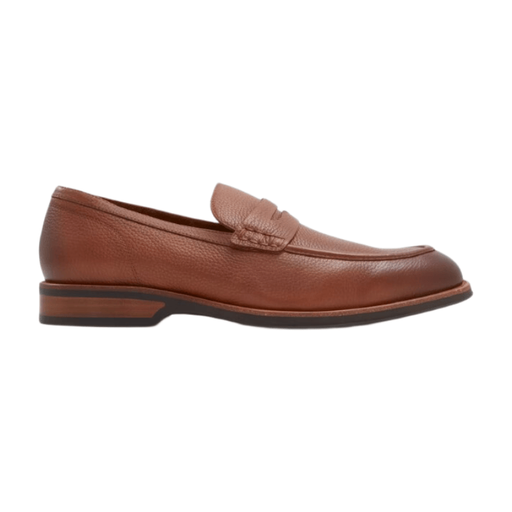
Why this model fits the bill: Its cognac colour offers an alternative to black loafers and pairs well with grey, beige or navy trousers.
The product description details a leather upper, a rounded toe and a rubber sole, without presenting the pair as suitable for every occasion.
Lace-free construction, stated smooth leather and European sizes from 39 to 47, according to the available information.
For a first pair, black remains the easiest colour to incorporate into a professional wardrobe. Light brown or cognac work better with less formal weekday outfits. Navy suede can complement beige trousers or raw denim, but it requires more rigorous care.
It is also worth checking the shoe’s depth. An almond toe creates a dressier look, a rounded shape feels more relaxed and a square toe lends the silhouette a contemporary edge. In every case, your toes should not touch the front of the shoe.
We have brought together an updated selection of models that meet these criteria, with detailed information on materials, sizing and intended use.
Their lifespan depends on how often they are worn, the quality of the materials, how they are cared for and the conditions in which they are used. Rotating between two pairs, allowing shoes to dry naturally and using shoe trees can help minimise deformation. However, no specific number of months can be guaranteed for every model.
They can withstand a few splashes, but immersion and repeated exposure to moisture may damage the leather or suede. Follow the manufacturer’s care instructions, wipe the pair promptly and leave it to dry at room temperature. Men’s boat shoes may appear suitable for summer, but that does not automatically mean they are waterproof.
Choose a fit suited to the width of your foot and try the pair on with the socks you usually wear. The heel should remain secure without excessive pressure. If your foot continues to slip, it is generally better to choose a different shape or size rather than add an accessory after purchase.