
Livraison le jour même ou le lendemain

Qualité garantie

Débloquez vos offres de bienvenue: Livraison GRATUITE | Jusqu'à -80 % | 30 jours d'essai gratuits à JoyPlus
Téléchargez l'application
The hoodie, or sweatshirt, is a cornerstone of the modern man's wardrobe. Comfortable, versatile, and timeless, it adapts to any situation, from a gym session to a casual outing in the city. But faced with an overwhelming number of options, it's easy to get lost and make the wrong choice. Fabric that pills after two washes, a poorly-fitting cut, or a hood that sags: the disappointments are frequent and very real.
Our mission? To help you see things more clearly. Let's forget the marketing jargon and focus on the criteria that truly make a difference. This guide gives you all the keys to finding a quality hoodie that will stay with you for years, without ever letting you down.
The market is flooded with styles that look appealing in photos but reveal their weaknesses with use. Here are the three most common traps.
To avoid falling into these traps, you just need to check a few key points. They are the guarantee of a successful and lasting purchase.
The fabric composition is the number one criterion. It determines the comfort, durability, and care of your garment.
The same hooded sweatshirt can look radically different depending on its cut. It is therefore crucial to choose the one that will flatter your figure and match your style.
To illustrate these criteria in practice, here are a few models that meet distinct needs and profiles.
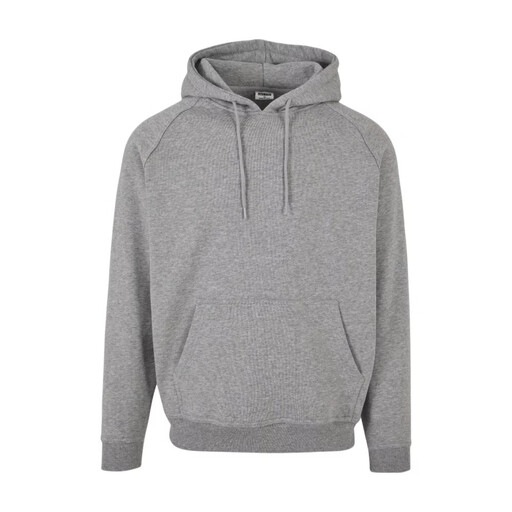
Why it's the perfect fit for them: This is the ultimate *streetwear* basic. Its classic cut and solid colour make it an easy piece to pair with anything, from jeans to cargo pants. The perfect hoodie for someone looking for a reliable, no-frills garment for everyday wear.
Its blend of 65% cotton and 35% polyester offers an excellent balance between comfort and durability. This limits the risk of deformation and rapid pilling, which is typical of cheap, 100% synthetic models.
Brushed fleece interior for warmth; ribbed cuffs and hem for a perfect fit; well-proportioned hood with drawstring.
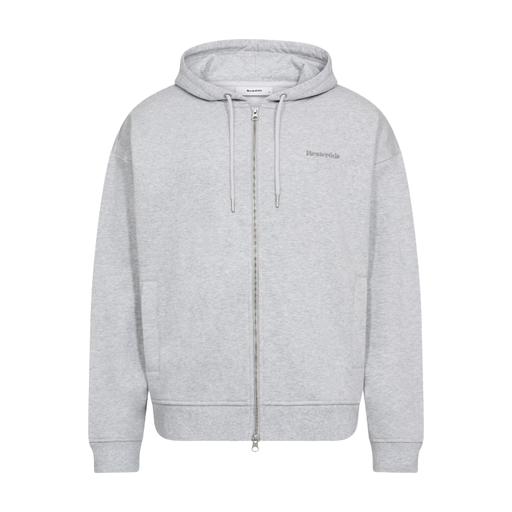
Why it's the perfect fit for them: For those who prioritise practicality and simplicity, this zip-up hoodie is a true ally. It's easy to put on and take off, adapts to temperature changes, and its side pockets are always useful. It's the perfect outer layer for weekends or daily commutes.
It avoids the trap of sloppy finishing thanks to its robust construction and quality zip. Its 100% cotton composition ensures breathable comfort and excellent durability over time, unlike synthetic materials that degrade quickly.
Soft and breathable 100% cotton fabric; full zip for versatility; practical side pockets to keep essentials within reach.
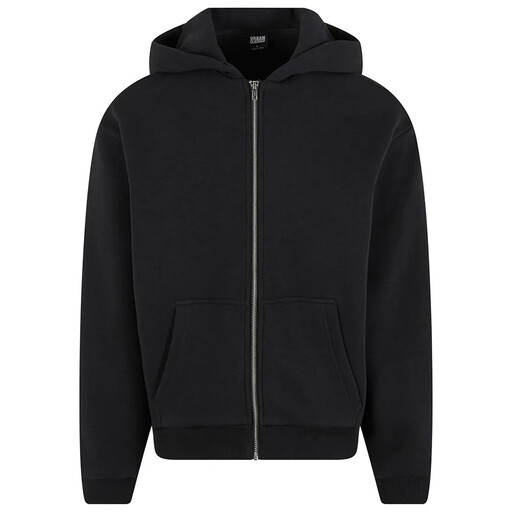
Why it's the perfect fit for them: This hoodie is designed for those who embrace a modern, relaxed silhouette. Its oversize cut is perfectly executed for a casual and trendy look, without ever sacrificing comfort thanks to its ultra-soft and plush fabric.
It avoids the "potato sack" fit trap. Although wide, its structure is designed for a perfect drape, with a generous hood and finishing touches that give the garment shape. Its "fluffy" fabric is also much higher quality than low-end fleece.
Mastered oversized cut for a bold *streetwear* style; plush fabric for maximum comfort; zip closure for added versatility.
Explore our full selection of products that meet our standards for quality and durability.
1. How should I wash a hoodie to prevent it from shrinking or getting damaged? The golden rule: always follow the instructions on the care label. Generally, wash your hoodie inside out, at a low temperature (30°C maximum), with similar colours. Avoid the tumble dryer, which is the sworn enemy of cotton fibres and prints. Opt for air-drying, either flat or on a hanger, to preserve its original shape.
2. What's the difference between a hoodie and a sweatshirt? It's primarily a matter of vocabulary. Sweatshirt is the generic term for a fleece pullover. A hoodie is simply a sweatshirt with a hood. In short: all hoodies are sweatshirts, but not all sweatshirts are hoodies.
3. How do I choose the right size for an oversized hoodie? A good oversized hoodie is already designed to be worn loose. Therefore, it's generally not necessary to size up; you might end up with a garment that is far too big. Trust the brand's size guide: if the model is described as "oversize," take your usual size to achieve the designer's intended effect. If you're between two sizes, check customer reviews or the product's specific recommendations.