
Livraison le jour même ou le lendemain

Qualité garantie

Débloquez vos offres de bienvenue: Livraison GRATUITE | Jusqu'à -80 % | 30 jours d'essai gratuits à JoyPlus
Téléchargez l'application
Navigating the vast landscape of models and technologies, finding the right pair of men's hiking shoes can be a daunting task. An ill-fitting shoe can quickly turn a scenic hike into a nightmare. This guide is here to provide you with the keys to making the right choice, focusing on the essentials: comfort, durability, and support.
In this guide: the essential criteria to consider before you buy, followed by a selection of models for every profile, from casual walkers to seasoned trekkers.
Before diving into our top picks, let's review the key points that will guide your decision.
The first question to ask yourself is simple: where and when do you plan to hike?
The stiffness of the sole must be adapted to the type of terrain you'll be covering. This is non-negotiable.
The height of the upper is a constant trade-off between ankle support and freedom of movement.
Let's get to the specifics with three models that caught our attention, each catering to a specific type of hiker.
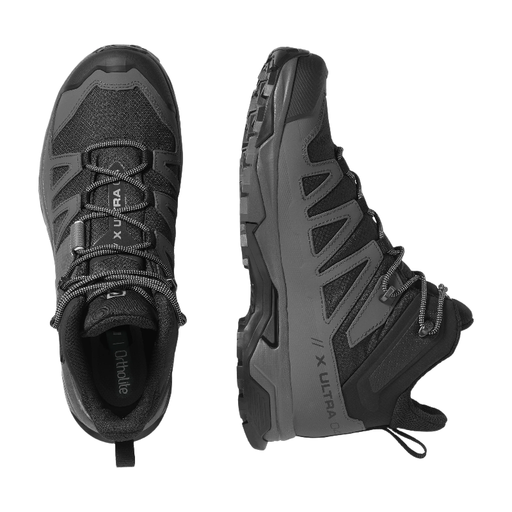
Why It Stands Out
This model is a true benchmark, acclaimed for its versatility. It combines the agility of a trail running shoe with the stability of a hiking boot. Its "Wide" version is a blessing for those with wider feet, who often feel cramped in standard fits.
Its Strengths
Who Is It For?
The regular hiker looking for a do-it-all shoe: stable, protective, and comfortable, suitable for both day hikes and multi-day treks on mixed terrain. A must-have for those tired of feeling cramped in their shoes.
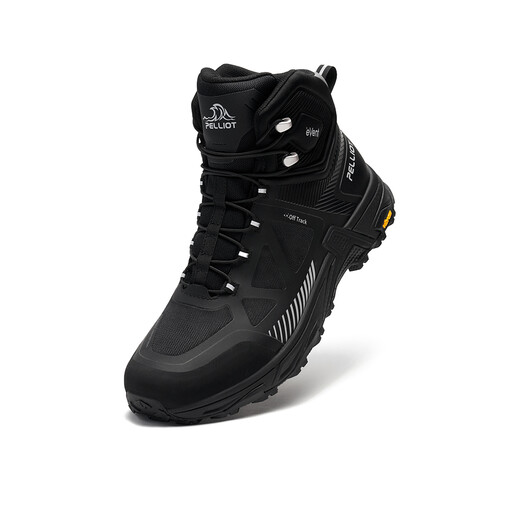
Why It Stands Out
This PELLIOT model focuses on ruggedness and clever features to tackle the harshest conditions. Its quick-lacing system and armoured construction make it a first-rate choice for adventures where durability is paramount.
Its Strengths
Who Is It For?
For the adventurer, the experienced trekker who isn't afraid to go off the beaten path. This is the choice for those who demand unwavering durability, maximum protection, and innovations that make a difference, like the quick-lacing system.
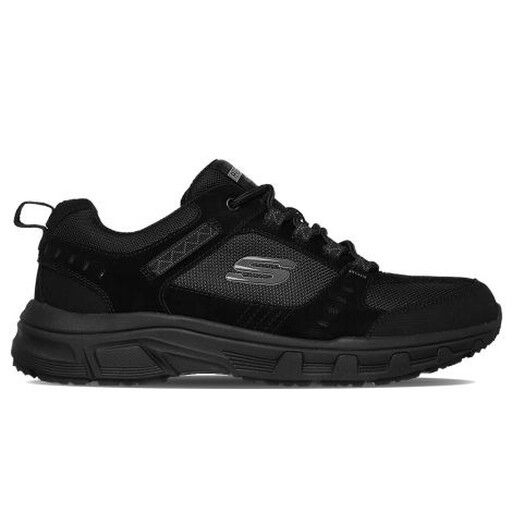
Why It Stands Out
Here, the focus is on immediate comfort and versatility. It's the perfect shoe for relaxed outdoor activities and everyday wear. Less technical than its competitors, it relies on exceptional cushioning for daily walking.
Its Strengths
Who Is It For?
For the casual walker, or for anyone looking for an ultra-comfortable shoe for daily life, forest walks, or short hikes on easy trails. The logical choice for those who prioritise comfort over technical features.
Our selection is just a taste. The world of outdoor footwear is vast! To discover other gems, compare technologies, or find the perfect model for you, feel free to explore our full catalogue.
? Explore our entire collection of Walking Shoes and find the pair made for your feet.
1. What is the difference between hiking shoes and trekking boots? Although they are often confused, there is a real difference. Trekking boots are the heavyweights of the category: stiffer, more robust, and with a high cut. They are built for multi-day treks with a heavy pack on demanding terrain. The classic hiking shoe, on the other hand, is more versatile and flexible, perfect for day trips.
2. How do I know if hiking shoes are the right size? The golden rule: always try on shoes at the end of the day, when your feet have swollen slightly. Don't forget to wear your usual hiking socks! Once the shoe is properly laced, you should be able to fit a finger behind your heel. Most importantly, your toes should never touch the end of the shoe, even on descents.
3. Is a Gore-Tex membrane essential? Not necessarily! A Gore-Tex membrane is an undeniable asset in wet or cold weather to stay dry. But if you mainly hike in the summer in dry conditions, a shoe without a membrane will be much more breathable and comfortable, preventing your feet from overheating. It all depends on your primary terrain and the weather.