
Livraison le jour même ou le lendemain

Qualité garantie

Débloquez vos offres de bienvenue: Livraison GRATUITE | Jusqu'à -80 % | 30 jours d'essai gratuits à JoyPlus
Téléchargez l'application
A men’s grooming routine for beard and face can quickly turn into a collection of barely used bottles. Beard oil that’s too rich, a cleanser that leaves your skin feeling tight, or a shaving gel with an overpowering scent – bad purchases are usually down to a poorly identified need, far more than the price tag.
The key is to separate marketing claims from the criteria that really matter: beard length, skin type, shaving frequency, texture, ingredients and format.
A three-day stubble doesn’t have the same needs as a full, long beard. For just a few millimetres, a light cream you can use on both your face and the hair will often do the job. Once your beard gains volume, it’s better to turn to a beard balm or beard oil, which can nourish the hairs while reaching the skin underneath and help with styling.
A very rich oil can leave a greasy film on short stubble. On the flip side, a simple moisturiser often won’t have enough hold to tame a long beard.
The “suitable for sensitive skin” label doesn’t mean you can skip checking the INCI list. Fragrances, denatured alcohol, menthol and certain essential oils may not agree with reactive skin. Before choosing a shaving foam for sensitive skin or an aftershave for men, look for hydrating and soothing ingredients, while keeping an eye out for anything you know you don’t tolerate well.
A patch test on a small area, carried out according to the instructions on the packaging, remains a simple and sensible precaution.
The percentages shown on some products come from a specific testing protocol and set of conditions. In the case of the Derma Control anti-blemish kit, for example, the results quoted are from a study provided by the brand – not a guarantee that applies to every user. A skincare routine can help cleanse and hydrate your skin, but it’s not a substitute for medical advice if the problem persists.
For everyday use, choose a texture that fits your habits:
A pleasant texture makes you much more likely to stick with it. Just check whether the product needs rinsing off or is a leave-on treatment, and whether it’s for skin, beard or both.
Glycerin, hyaluronic acid, panthenol, shea butter and niacinamide are common in hydrating skincare and beard products. Their presence tells you something about the formula, but it doesn’t guarantee the same result for everyone.
In a men’s anti-blemish treatment, salicylic acid and niacinamide are ingredients to look out for. If your skin isn’t used to them, start gradually and avoid piling several exfoliating products into the same routine.
Match the volume to how often you’ll use it. A 30 ml bottle of oil can last several weeks, or even longer, if just a few drops are enough per application. For a cleanser you use every day, a 260 or 300 ml size will generally be more practical.
Always follow the storage instructions, the date on the packaging and, where given, the period after opening. Shaving aerosols are flammable: keep them away from heat, flames and high temperatures.
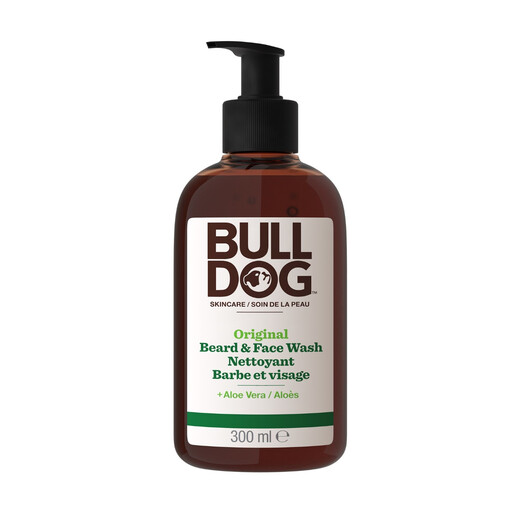
Why this choice suits this profile: A single cleanser for both face and beard lets you start with a simple routine, without having to buy lots of different products.
Its 300 ml size means you won’t need to buy a replacement too quickly for a product you use every day.
A formula based on aloe vera, glycerin and cleansing agents, designed for both face and beard.
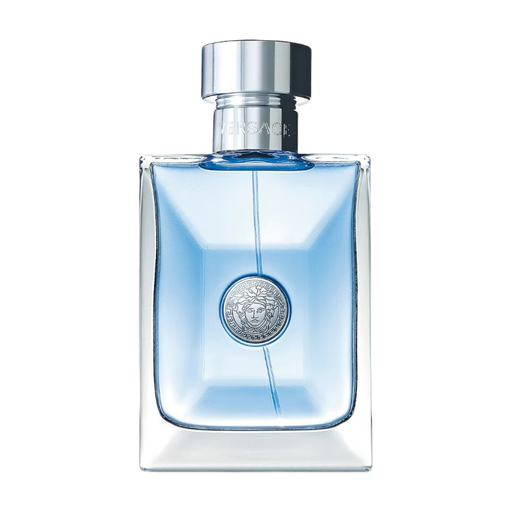
Why this choice suits this profile: This men’s fragrance is aimed at those who want to add a sophisticated scent signature to their grooming routine.
The description clearly lists the fragrance families and perfume allergens to check before buying.
A 100 ml eau de toilette with notes of citrus, wood and musk, made in Italy according to the product sheet.
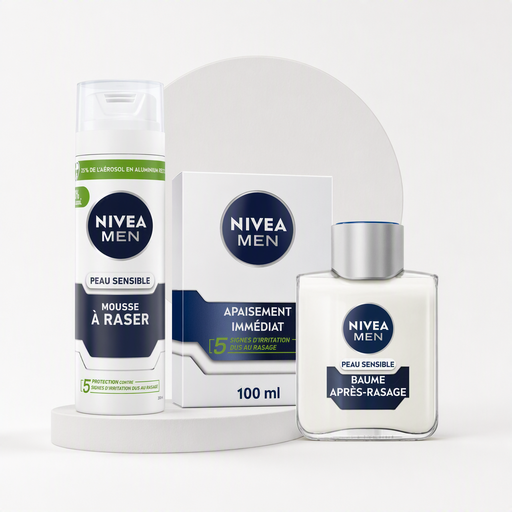
Why this choice suits this profile: This duo brings together a shaving foam and an aftershave balm – a practical combination for anyone who shaves regularly.
The alcohol-free formula is clearly stated for the duo, while the warnings remind you of the usual precautions for aerosol use.
A 200 ml foam and a 100 ml balm, with glycerin, panthenol and chamomile extract.
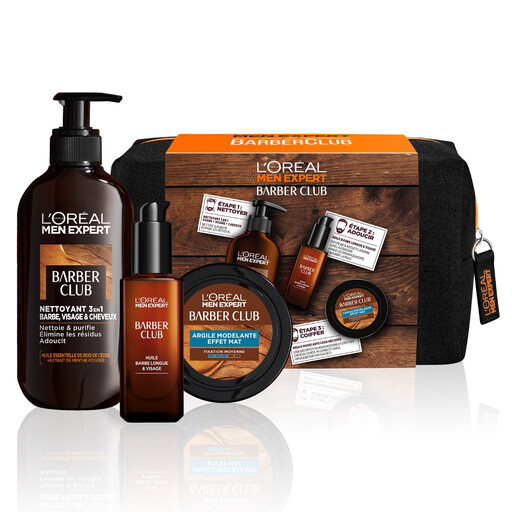
Why this choice suits this profile: This kit covers cleansing, nourishment and styling for a long beard that’s maintained regularly.
The three uses are clearly distinct: the cleanser is rinsed off, the oil nourishes and the cream provides medium hold.
A total of 305 ml, split between a 30 ml oil and a 75 ml styling cream, with French manufacturing according to the product sheet.
We’ve selected a full range, updated in real time, of products that meet these selection criteria as well as European safety regulations.
For short beard care, start by cleansing your face and beard, then apply a light cream such as the Barber Club Short Beard and Face Care product. With a long beard, add a few drops of oil to the hairs while they’re still slightly damp. A balm can then help to keep everything in shape.
If your skin tends to get shiny, a men’s face cleanser containing salicylic acid can be introduced gradually. Don’t forget hydration though: a men’s face moisturiser in gel form will work well if you’re after a fresh, non-sticky texture.
For shaving, wet your skin, apply the foam or gel, then rinse thoroughly. An alcohol-free aftershave for men may be more comfortable for some skin types, but your own tolerance should always be the main deciding factor.
Yes. Some products are formulated for both areas, particularly two-in-one cleansers and creams designed for short beards. On a long beard, an additional product is generally better to properly reach both the hairs and the skin underneath.
Three products can be enough: a cleanser, a moisturiser and a product suited to your beard or shaving needs. You can then add an oil, a balm or a men’s anti-blemish treatment if your routine calls for it.
It all depends on the size and how much you use. A few drops of oil can last several weeks, whereas a cleanser used morning and evening will run out more quickly. Always check the date and the period after opening shown on the packaging.