
Livraison le jour même ou le lendemain

Qualité garantie

Débloquez vos offres de bienvenue: Livraison GRATUITE | Jusqu'à -80 % | 30 jours d'essai gratuits à JoyPlus
Téléchargez l'application
A cornerstone of the modern man's wardrobe, the overshirt wins you over with its versatility and relaxed style. But don't be fooled by its simple appearance: hidden pitfalls can quickly turn a promising purchase into a disappointment. Cotton that loses its shape after the first wash, a "potato sack" fit, shoddy craftsmanship... the flaws are numerous. This guide gives you all the keys to finding the perfect men's cotton overshirt: a durable, stylish model that will become a pillar of your transitional wardrobe.
Before you start looking at specific models, it's best to know the warning signs. Many overshirts on the market don't live up to their promises, and here's why:
To make an informed choice, focus on objective characteristics. Here are the two fundamental points to examine.
The type of cotton determines the style, comfort, and use of your overshirt.
The fit is essential for a successful men's overshirt look. A straight or slightly tailored fit is usually the best choice. It should allow you to wear a t-shirt or a thin sweater underneath without feeling constricted or adding bulk. Check the following details:
To help you visualize these criteria, here are a few models that meet distinct needs and styles.
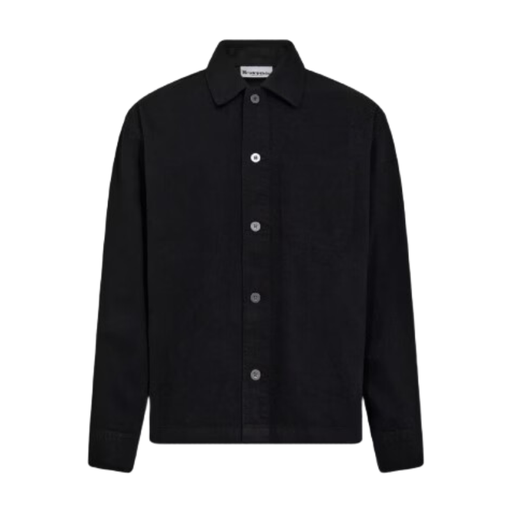
Why we love it: Ideal for anyone looking for a functional, easy-to-wear piece. Its clean design and black colour make it a reliable staple for multiple outfits, from weekend wear to a casual office look.
Its sturdy 100% cotton fabrication and meticulous construction ensure it holds its shape over time. The relaxed yet structured fit avoids the "boxy" effect and makes layering easy.
A true men's shirt jacket, perfect as a lightweight outer layer. Its minimalist design makes it incredibly easy to style.
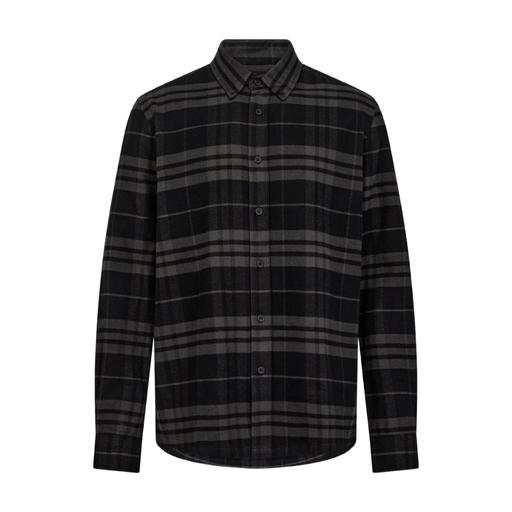
Why we love it: For the man who appreciates clean lines and fine materials. This piece sits between a classic shirt and an overshirt, offering a more polished option for a sophisticated men's overshirt look.
The premium quality cotton has a crisp, dry feel that guarantees it will hold its shape perfectly over time. Its classic shirt design ensures a structured fit that won't warp.
Maximum versatility: it can be worn buttoned up like a shirt or open over a t-shirt for a casual overshirt style.
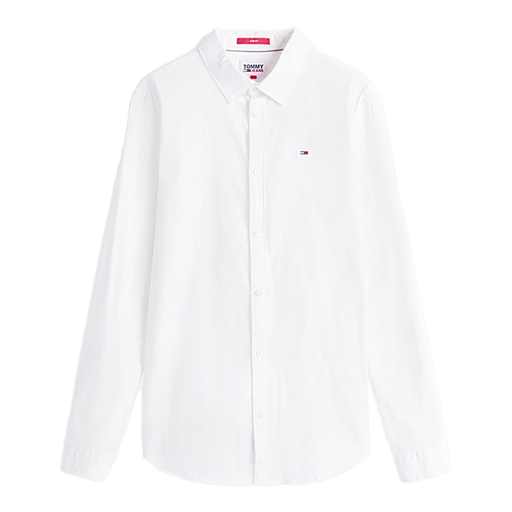
Why we love it: Perfect for those who refuse to choose between style and comfort. The added elastane provides welcome freedom of movement, whether for an active day or long hours at the office.
The cotton-elastane blend (97% / 3%) ensures the fabric retains its shape and structure. The modern slim fit prevents the baggy effect often found in lower-quality models.
Enhanced comfort and flexibility thanks to the stretch cotton poplin. Ideal for a lightweight overshirt that moves with you throughout the day.
Explore our full collection, where every piece has been selected for its quality, style, and durability.
Versatility is its main strength. For a casual look, wear it open over a plain or white t-shirt with jeans or chinos. For a sharper look, you can button it up and wear it as a heavy shirt, or incorporate it into your layering system under a coat in winter.
It's all about the fabric and the fit. An overshirt is typically made from a thicker, more robust material than a traditional shirt. Its cut is also slightly looser to allow it to be worn over other clothes, making it an ideal mid-layer or light jacket.
First thing's first: read the care label. As a general rule, a machine wash at 30°C with similar colours is recommended. Avoid the tumble dryer, which risks shrinking the cotton and prematurely wearing out the fibres. It's best to air-dry it on a hanger to preserve the garment's shape and structure.