
Livraison le jour même ou le lendemain

Qualité garantie

Débloquez vos offres de bienvenue: Livraison GRATUITE | Jusqu'à -80 % | 30 jours d'essai gratuits à JoyPlus
Téléchargez l'application
For a seasoned runner, choosing a men's competition running shoe is a crucial decision. It's far more than a matter of comfort; it's a direct investment in performance and injury prevention. Yet, the market is flooded with marketing promises that are often misleading. To cut through the noise, let's break down the pitfalls to avoid and the criteria that truly make a difference.
Between technical jargon and advertising claims, finding the right pair can be an uphill battle. Here are three classic mistakes that are costly for runners, both in money and performance.
To get it right, focus on these three fundamental technical aspects. The perfect match between the shoe and your goals depends on them.
A stable running shoe no longer has to be heavy. Today's innovations provide excellent support without weighing you down. Here's what to examine closely?:
Cushioning is about more than just softness. The composition of the midsole is the shoe's real engine. Opt for dual-density foams or specific technologies that guarantee dynamic cushioning. For instance, materials like BOOM foam are engineered to offer both shock absorption and high rebound, turning impact into propulsion. This is the hallmark of a true high-performance racing shoe.
The shoe's shape directly influences your stride's transition. A rocker geometry promotes a smoother, faster transition from heel to toe. As for the upper (the top part of the shoe), it must be both breathable and structured. Materials like BOOM FIBER allow for excellent ventilation while ensuring a precise, secure fit without friction spots.
Forget endless lists. Here is our targeted selection, designed for specific runner profiles and based on the criteria we've just discussed.
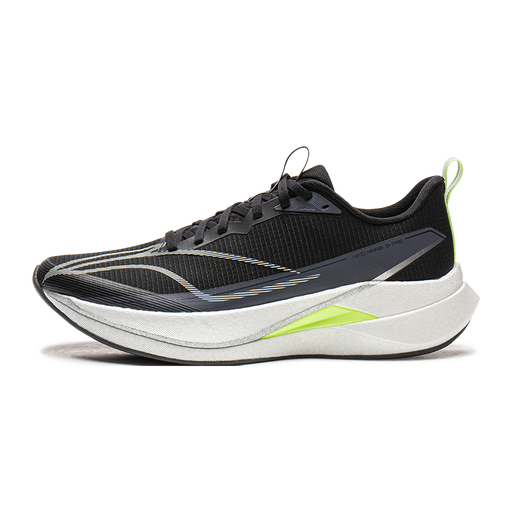
Why we recommend it: The perfect all-rounder for the runner who wants a single pair for fast sessions and races, from 10Ks to half-marathons. A smart, budget-friendly choice to avoid owning multiple pairs.
It avoids the pitfall of sacrificing structure for ultra-lightness. Its widened platform and TPU midfoot plate ensure reassuring stability without compromising on weight.
Its dual-density BOOM midsole offers responsive cushioning and impressive energy return. Meanwhile, the BOOM FIBER upper guarantees optimal breathability.
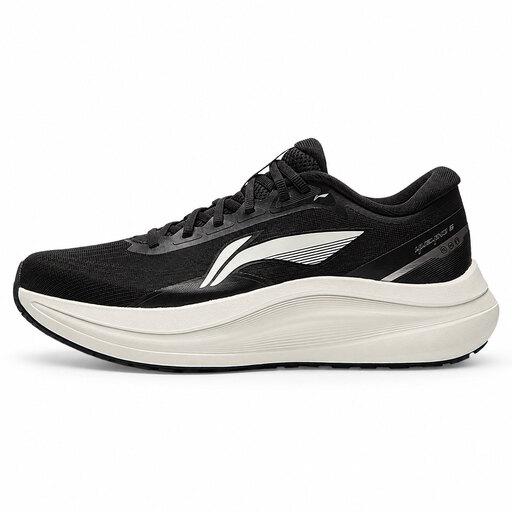
Why we recommend it: Designed for long-distance runners who prioritise protection and support. It's the safe choice for finishing a marathon while protecting your joints.
It sidesteps the "gummy" cushioning trap with its Tempo Bounce sole, which strikes the right balance between comfort and responsiveness. It doesn't bottom out and maintains support, even after hours of effort.
Its widened heel and the PROBAR LOC support system secure the foot plant. The "Cloud Shoe Chamber" bootie comfortably wraps the foot without pressure points.
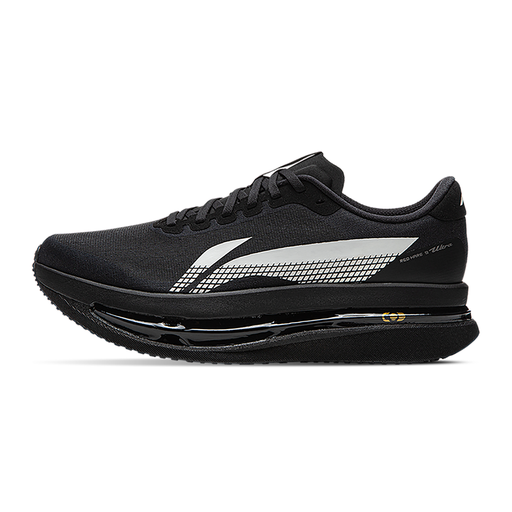
Why we recommend it: For the competitor obsessed with their personal best, looking to shave off every second with technology. A pure, no-compromise speed shoe.
It doesn't fall for the "one-size-fits-all" carbon plate trend. Its fiberglass plate provides support and propulsion but with more manageable rigidity, making it more accessible.
Its triple-layer midsole combines multiple foam densities for explosive energy return and flawless support. The GCU outsole ensures exceptional grip on both wet and dry surfaces.
Explore our full selection of shoes that meet our demanding criteria.
The lifespan of a competition shoe is shorter than that of a training model. Expect between 400 and 600 kilometres (approx. 250-375 miles). The tell-tale signs of wear are a midsole that feels flat and less responsive, and an outsole with worn-down tread, reducing grip. Our advice: save them for race day and specific quality sessions (intervals, threshold runs).
Definitely not. The effectiveness of a carbon plate is directly linked to your speed and stride. To truly feel the benefits, you need to be able to maintain a fast pace (generally under 4:30 min/km or 7:15 min/mile). For runners at more moderate paces, a plate can create more strain than benefit. In this case, models with more flexible plates, or no plate at all, will be far more appropriate.
Ideally, you should rotate between two or three pairs. Use a robust and comfortable "do-it-all" pair for your long runs and recovery jogs. Keep your high-performance racing shoe for quality sessions (intervals, threshold runs) and, of course, for competition. The benefit is twofold: you extend the life of your racing shoes and you stimulate your feet in different ways, which is an excellent strategy for reducing injury risk.