
Livraison le jour même ou le lendemain

Qualité garantie

Débloquez vos offres de bienvenue: Livraison GRATUITE | Jusqu'à -80 % | 30 jours d'essai gratuits à JoyPlus
Téléchargez l'application
Choosing a men's clipper can quickly become a headache. With hundreds of models on the shelves and increasingly bold marketing promises, it's hard to know where to start. Yet, a well-groomed look, whether for your beard or hair, rests on a single pillar: a reliable tool perfectly suited to your needs. To avoid ending up with a disappointing device, here’s how to sidestep the most common pitfalls and invest in a clipper that will stand the test of time.
The market is flooded with clippers boasting tempting spec sheets. But beneath the marketing gloss, design flaws often hide, only revealing themselves with use. Here are the essential points to watch out for.
To make the right choice, forget the marketing jargon and focus on these key technical points. They are what determine the performance, longevity, and user comfort of your future clipper.
The blade material is the primary guarantee of a clean, irritation-free cut.
Power management is the key to a stress-free experience.
Understanding the Ingress Protection (IP) rating is essential to know how to maintain your clipper without risking a short circuit.
Rather than an endless list, we've selected models that tick all the right boxes for specific user profiles.
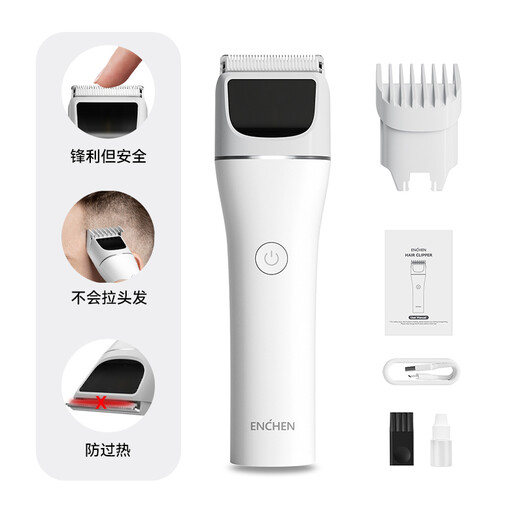
Editor's Pick: Perfect for those who want a simple and effective solution for at-home hair maintenance. It gets straight to the point: a single adjustable guard, a minimalist design, and zero fuss.
There's no overloaded kit here. The Boost 2 focuses on one thing—cutting hair—and does it very well. Its battery life is reliable and designed for a full, stress-free session.
Its fast charging via USB Type-C is a real daily convenience. No more searching for the right charger! Its value for money is simply excellent for regular use.
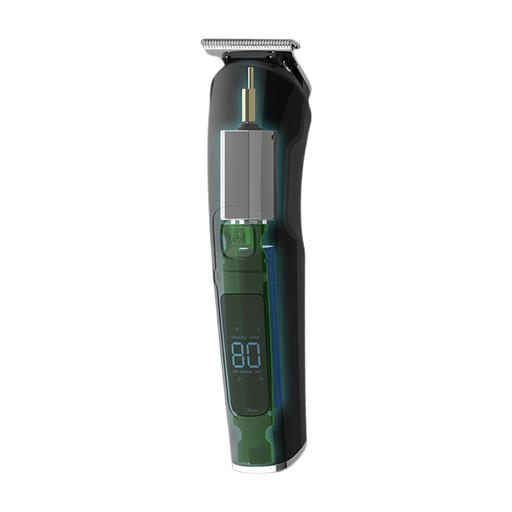
Editor's Pick: For the man who wants a single tool to manage everything: beard, hair, body, and finishing touches (nose, ears). This men's grooming kit is a true all-in-one grooming station.
Unlike pseudo-versatile kits, this one offers genuinely specialised interchangeable heads (T-blade, foil shaver, precision trimmer...), ensuring much better performance. The IPX6 rating is clearly stated, specifying that only the heads are washable. No unpleasant surprises.
The wealth of accessories and its LED screen displaying the remaining runtime in real-time make it a comprehensive and very user-friendly ally for daily use.
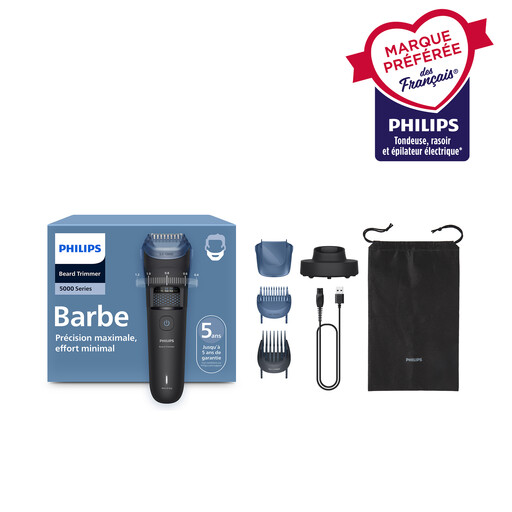
Editor's Pick: Designed for those who can't stand a single hair out of place or in the sink. Here, precision and cleanliness are the keywords.
It tackles every bearded man's nightmare: hairs all over the sink. Its integrated vacuum system is a small revolution. With its 40 length settings, it's a far cry from the imprecise guards of its competitors.
Its vacuum system, which captures the majority of trimmed hairs, is a game-changer. Combined with self-sharpening blades and an ultra-precise adjustment wheel, it guarantees a clean and perfectly controlled grooming routine.
Explore our full selection of clippers that meet our demanding selection criteria and current safety standards.
1. Should you oil clipper blades, and how often? Not necessarily; it all depends on the model. Most modern clippers are equipped with self-sharpening blades that don't require it. For others (it's always specified in the manual), a drop of oil after each cleaning is essential to preserve the blade's edge and the motor's lifespan. A good rule of thumb: if a small bottle of oil is included, you should use it.
2. Can you use a hair clipper for your beard? Yes, but it's not ideal. The result will often lack precision. Hair clippers have wider blades and guards that are poorly suited for facial contours. For clean lines and a controlled fade, nothing beats a dedicated beard trimmer, with its finer length settings (in 0.5 mm increments) and narrower head.
3. Which guard should I choose to avoid mistakes? The golden rule: always start with the longest guard. It's much easier to trim shorter than to wait for it to grow back! Make a first pass with a guard longer than your desired length, then gradually switch to shorter ones until you achieve the perfect result. It's the foolproof method, especially when trying out a new style.