
Livraison le jour même ou le lendemain

Qualité garantie

Débloquez vos offres de bienvenue: Livraison GRATUITE | Jusqu'à -80 % | 30 jours d'essai gratuits à JoyPlus
Téléchargez l'application
A memory foam mattress topper can soften a mattress that is too firm, restore some comfort to ageing bedding or provide a more affordable alternative to replacing the entire bed. However, not every model suits the same needs. The wrong size, a poorly chosen thickness or a cover that is difficult to care for can quickly turn a good idea into a disappointing purchase.
Before comparing the available options, here are the main pitfalls to avoid.
A mattress topper adds a layer of comfort, but it does not replace the mattress structure. A 2.5 cm model generally makes relatively little difference to the initial feel. At 5 cm, the sensation becomes noticeably more enveloping, but the bed becomes higher and fitted sheets may be more difficult to keep in place.
If the mattress is badly sagging or has a pronounced deformation, a topper may not be enough to solve the problem. Start by checking the overall condition of your bedding before adding another layer.
A mattress topper must match the mattress surface exactly. For a single bed, the 90x200 mattress topper is a common size. Couples often choose a 135x200 mattress topper or a 180x200 mattress topper. A difference of just a few centimetres can be enough to create creases, leave part of the mattress uncovered or cause the topper to move during the night.
Measure the length and width of the mattress instead of relying solely on the bed’s stated size. Also measure its height if you use a fitted sheet.
Terms such as “ultra-soft”, “cooling” or “universal comfort” do not allow you to compare several models objectively. Instead, focus on verifiable information: thickness, dimensions, type of foam, whether straps are included, the cover composition and care instructions.
The term hypoallergenic mattress topper refers to a feature highlighted by the manufacturer, but it is not a personalised medical guarantee. People with sensitivities should check the detailed composition and care instructions.
A 2.5 cm mattress topper is suitable for anyone who simply wants to soften the mattress surface or add a flexible layer without significantly changing the height of the bed. It is also a practical choice for a guest room, student accommodation or a bed used occasionally.
A 5 cm mattress topper provides a more enveloping feel. However, it takes up more space and requires particular attention to keeping the sheets in place. This thickness may suit sleepers who want to noticeably change the feel of their mattress without replacing it.
A mattress topper with elastic straps is easier to position on the mattress. The straps limit movement when you change position and make it easier to put the bed linen back in place. However, check that they are compatible with the height of your mattress.
Without a fastening system, the topper remains easy to install, but it may move more, particularly on a double bed or when using loose-fitting sheets. Its stability also depends on the underside covering and the size chosen.
A cover described as machine washable makes everyday care considerably easier. Before buying, check the exact requirements: washing temperature, whether tumble drying is permitted, whether there is a zip and whether the cover can be removed without having to handle the entire foam layer.
For a comfortable mattress protector, choose a surface that feels pleasant to the touch, but do not confuse a mattress protector with a mattress topper. The former is primarily designed to protect the mattress; the latter adds a genuine layer of comfort.
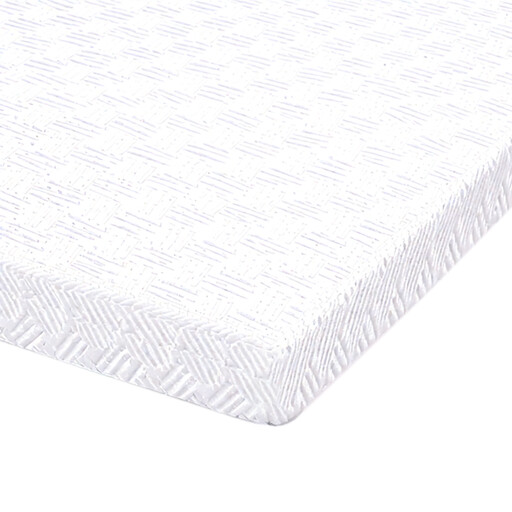
Why this choice suits this profile : this single-bed size and slim profile improve comfort without radically changing the height of the bed.
At 2.5 cm thick, it reduces the risk of making the bed too high and remains compatible with a standard 90x200 cm fitted sheet.
90x200 cm size, memory foam and hypoallergenic features stated in the product details.
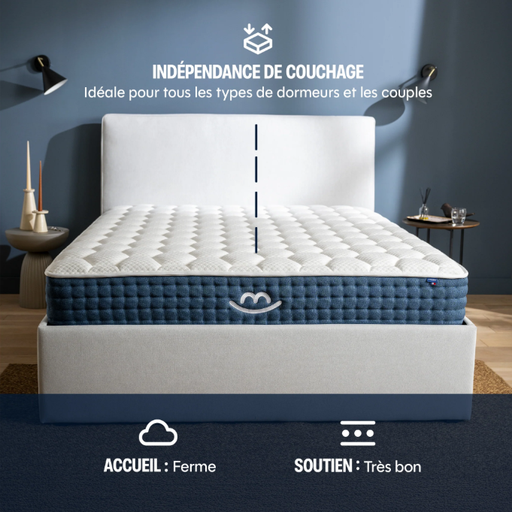
Why this choice suits this profile : at 26 cm thick, this is a complete mattress rather than a simple topper, making it suitable for anyone looking for a fresh start.
The product details clearly state its total height, as well as the inclusion of pocket springs and foam. There is no chance of mistaking it for a simple comfort layer.
26 cm thick, combining memory foam and pocket springs, in a 90x200 cm size.
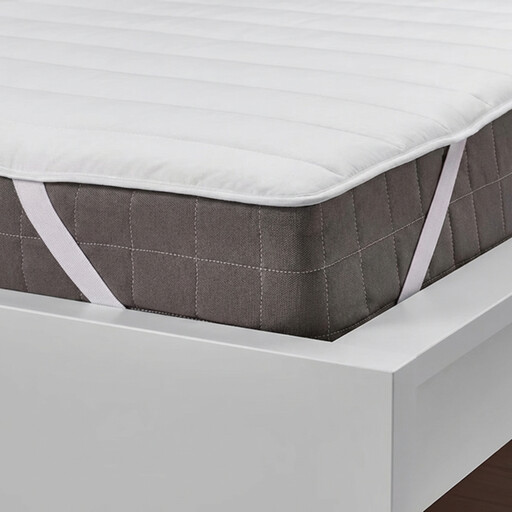
Why this choice suits this profile : this thicker double-bed model is aimed at couples and sleepers who want to noticeably change the feel of their mattress.
The stated elastic straps help keep the topper in place, while the 135x200 cm size reduces the risk of choosing an unsuitable surface.
5 cm thickness, fastening straps, cover advertised as machine washable and stated hypoallergenic properties.
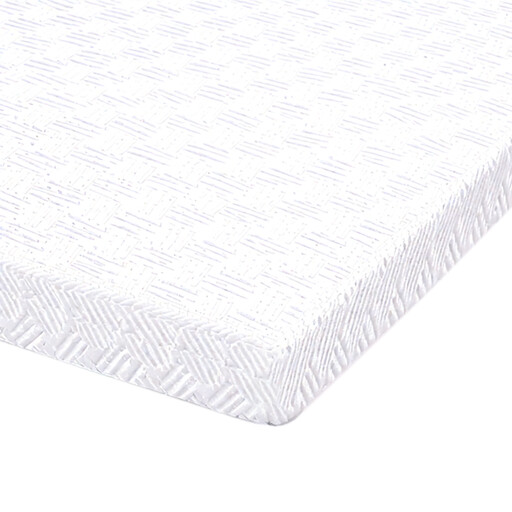
Why this choice suits this profile : its generous width covers a 180x200 cm double bed while retaining a reasonable thickness.
The size is stated unambiguously, helping you avoid confusing 160x200 and 180x200 cm dimensions, which are often mixed up when shopping online.
180x200 cm size, memory foam and 2.5 cm thickness.
We have put together a complete, up-to-date selection of products that meet these demanding criteria and European safety standards.
Place it on a clean, dry mattress, then carefully align all four corners. If the model has straps, pass each elastic strap around the mattress without overstretching it. Then allow the foam to regain its shape, following the instructions in the product details. Make sure you use a fitted sheet that is deep enough to cover both layers.
This depends on the foam density, frequency of use, weight supported and ventilation. To help preserve your topper, air the room regularly, avoid folding the foam and follow the cover’s washing instructions. When permitted by the manufacturer, turning it over or rotating it from time to time can also help prevent wear from being concentrated in one area.
Foam obviously does not use any electricity. Any additional costs mainly involve washing the cover and possibly buying a deeper fitted sheet. A model with a removable, machine-washable cover makes everyday care easier, provided you follow the recommended washing temperature and drying method.