
Livraison le jour même ou le lendemain

Qualité garantie

Débloquez vos offres de bienvenue: Livraison GRATUITE | Jusqu'à -80 % | 30 jours d'essai gratuits à JoyPlus
Téléchargez l'application
A memory foam mattress topper can soften an overly firm mattress, improve the feel of a guest bed or make a sofa bed significantly more comfortable. However, choosing the right model is essential. The wrong thickness, approximate measurements or a difficult-to-maintain cover can quickly turn a smart purchase into an accessory you eventually stop using.
Before ordering, three common pitfalls are worth considering:
A 2.5 cm mattress topper is suitable if you simply want to add a layer of comfort without significantly changing the firmness or height of the bed. This thickness may be enough for a guest bed, an already comfortable mattress or a sofa bed used occasionally.
With 5 cm, the change is more noticeable. It is a good compromise for everyday use, particularly when the mattress feels too firm or lacks surface cushioning. Where available, also check the foam density in the technical specifications.
An 8 cm mattress topper provides a much more generous layer. It may suit an older mattress, an upholstered bed base or a bed used every day. In this case, check the total height, fitted-sheet compatibility and the stability of the bedding. On a sofa bed, also measure the available space once the bed is folded away: a thick topper must never remain resting on the mechanism.
Measure the mattress width and length rather than relying solely on the bed’s stated name. Common dimensions include:
A difference of just a few centimetres can result in overhangs or poorly covered areas. For couples, a single topper avoids a difference in height between two mattresses, but make sure that the weight and movement will not cause it to shift. On an adjustable bed, two separate toppers may be easier to handle.
Memory foam gradually conforms to the body’s contours in response to heat and weight. It is valued for its enveloping feel and ability to reduce motion transfer. However, this should not be interpreted as a medical promise to relieve back pain or pressure points.
A removable, washable cover makes day-to-day care significantly easier. On the models featured below, some covers can be machine-washed at 40°C maximum. The foam core itself is not machine-washable: spot-clean it according to the manufacturer’s instructions.
People prone to allergies can compare the listed materials and certifications, such as OEKO-TEX Standard 100 when stated on the product page. This does not remove the need to check the materials or follow your own medical advice. A washable topper that is aired regularly and protected with a comfortable mattress protector will generally be easier to keep clean.
If you prefer an exceptionally soft feel, you could also consider a duck feather mattress topper. Its feel differs from that of foam: it is softer and more lofty, but also requires greater attention to airing, fluffing and maintenance.
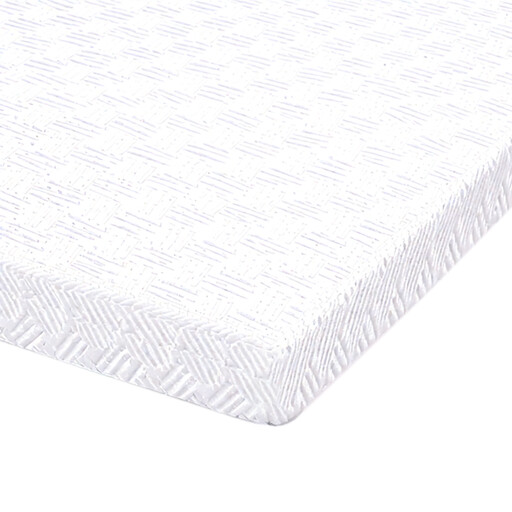
Why this model may suit you: its single-bed format and slim profile are suited to a 90x200 cm bed, a guest room or a sleeping surface that simply needs a little extra comfort.
Its limited thickness reduces the risk of raising the bed significantly or creating an overly enveloping feel.
90x200 cm format, memory foam and hypoallergenic properties stated on the product page.
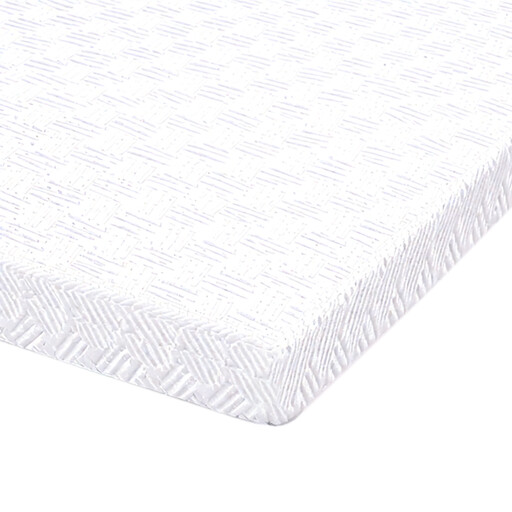
Why this model may suit you: its 135x200 cm dimensions and 5 cm of foam are designed for compact double beds whose comfort you want to change noticeably.
The stated dimensions let you compare the topper directly with the mattress instead of relying solely on the term “double”.
5 cm thickness, 135x200 cm format and features described as ultra-soft and hypoallergenic.
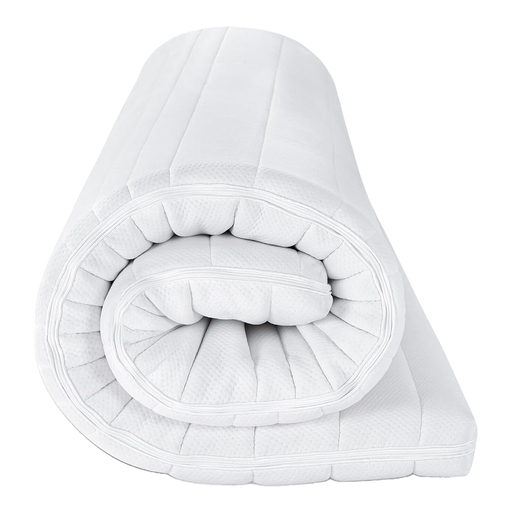
Why this model may suit you: its 8 cm of foam is listed for 180x200 cm beds, upholstered bed bases, guest beds and certain sofa beds.
Its removable cover simplifies care. However, check the thickness carefully before folding away a sofa bed.
Cover washable at up to 40°C, 8 cm of foam, 180x200 cm format and OEKO-TEX 100 certification stated on the product page.

Why this model may suit you: its listed duck feather filling and cotton cover are designed for those who prefer a soft, lofty feel to the sensation provided by foam.
The corner attachments and central tie are listed as helping to keep the topper securely in place.
160x200 cm format, cotton cover, square quilting and washing instructions specifying up to 40°C, according to the product page.
Explore an updated selection of products that meet these requirements for size, materials and care, helping you equip your bed with confidence.
Allow a compressed mattress topper to fully regain its shape before use. For a foam model, this may take 24 to 48 hours, in line with the product page instructions. Then place it on a clean mattress and check that all four corners remain properly aligned.
Add a comfortable mattress protector on top, avoiding overly tight models that could compress the foam. Air the room regularly and never wash the foam core. The removable cover should be washed at the stated temperature, without bleach if the care instructions prohibit it.
For a duck feather mattress topper, gently shake out the filling, turn it regularly and leave it to air. These steps help distribute the filling more evenly, but this type of product requires more attention than a model with a simple washable cover.
Choose 2.5 cm for a subtle change, 5 cm for a more noticeable improvement and 8 cm for a thick layer designed to significantly transform the feel of the bed. Also consider the firmness of the mattress, the bed height and the intended use.
It can temporarily improve the feeling of comfort, but it will not restore a sagging, misshapen mattress or one that provides uneven support. If the structure is genuinely worn, compare the cost of replacement with that of a thick mattress topper.
The topper dimensions should match those of the mattress precisely. Prioritise models with elasticated corner straps or a system that includes a central tie. A properly fitted sheet and a mattress protector in the correct size can also help keep everything securely in place.