
Livraison le jour même ou le lendemain

Qualité garantie

Débloquez vos offres de bienvenue: Livraison GRATUITE | Jusqu'à -80 % | 30 jours d'essai gratuits à JoyPlus
Téléchargez l'application
A stiff neck when you wake up, tense shoulders after a day in front of a screen or your head dropping during a car journey: these situations may prompt you to choose an ergonomic memory foam cervical pillow. But an appealing shape or the simple word “ergonomic” is not enough to guarantee that a model will suit your body shape and intended use.
Before ordering, it is worth separating genuinely useful support from marketing claims that are difficult to verify. Here are the criteria to examine, followed by a selection of models suited to different needs.
A very soft pillow may feel cosy for the first few nights, then sag until your head is positioned too low. Conversely, a model that is too firm may create uncomfortable pressure on your neck and shoulders. Memory foam should provide gradual cushioning while retaining a sufficiently stable base.
A height of 8 cm is not automatically suitable for every body shape. Side sleepers generally need enough volume to fill the gap between the shoulder and head. When sleeping on your back, a moderate height and recessed central section can help keep your head supported without pushing it forwards. Front sleepers should check that the shape does not force the neck to rotate.
The phrase “for all sleeping positions” should therefore be understood as compatibility claimed by the manufacturer, not as a guarantee of identical comfort for everyone.
The memory foam core generally cannot be machine-washed. A removable, washable cover is therefore a real advantage, especially for everyday use. After unpacking, leave the pillow to air for 24 to 48 hours to disperse manufacturing odours. Keep it away from flames, and replace it if the foam deteriorates or starts to crumble.
For a pillow designed to support your neck, look for slow-rebound foam that gradually moulds to your head and neck. A multi-layer construction can provide a more stable base and limit sinking. As the exact density is not always provided, also consider the construction, height, contours and care recommendations.
A good contour should follow the natural curve of your neck without creating an uncomfortable ridge. A recessed central section can help position your head, provided it is compatible with your shoulder width. Also check the pillow’s overall width and whether it offers additional side support if you often sleep on your side.
For a cervical pillow intended for sleeping, choose a removable, breathable cover that can be washed according to the manufacturer’s instructions. For travelling, weight, storage and how well it supports your neck become the priorities. A car neck pillow should also fit the shape of the seat without restricting the driver’s movements.
Memory foam is mainly suited to stationary use. For camping or flying, an inflatable travel pillow or portable cervical cushion will often be easier to carry.
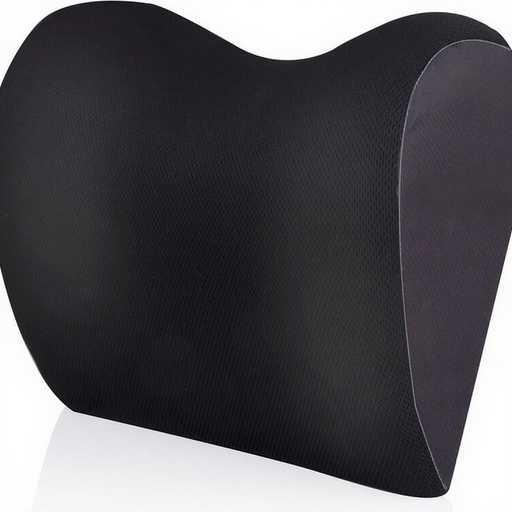
Why this choice suits this profile : this car neck cushion is designed for drivers and passengers who regularly spend several hours on the road.
The adjustable strap lets you position the cushion at neck level instead of relying on universal compatibility that is rarely verified.
Dimensions of 23 × 10 × 20 cm, foam advertised as 100 %, removable and washable mesh cover, tool-free attachment.
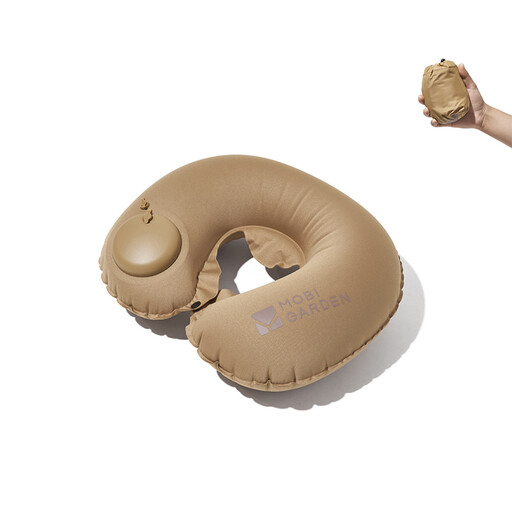
Why this choice suits this profile : its U-shaped design and press-to-inflate system are well suited to journeys, camping and trips where every centimetre counts in your luggage.
It does not try to replace a memory foam bed pillow: its portable design meets a distinct need for mobility.
U-shaped design, press-to-inflate system, portable construction and easy storage in the car or camping bag.
We have put together a complete, real-time updated list of products that meet these demanding selection criteria and European safety standards.
For a cervical pillow intended for sleeping, allow the foam to regain its full shape before first use. Place the highest part beneath your neck and check that your chin does not tip towards your chest. If the position feels unusual, give yourself a few nights to adjust rather than immediately changing the height with a blanket.
For a memory foam car headrest, secure the strap around the headrest posts, then adjust the height while the vehicle is stationary. The cushion must not obstruct your visibility, shoulder movements or access to the controls. Clean it only according to the manufacturer’s instructions, and never put the foam core in the washing machine.
An adjustment period may be necessary, especially if you are moving from a very soft pillow to a contoured model. Start with a few hours of rest, then assess the position of your head and how comfortable your shoulders feel when you wake up. Persistent discomfort may indicate that the height or shape is not suitable for your body shape.
This depends on the quality of the foam, how often it is used, humidity and care. Look for clear signs: permanent sagging, reduced slow rebound, deformation or crumbling foam. The cover should be cared for separately, in accordance with the manufacturer’s instructions.
An ergonomic pillow for all sleeping positions may improve postural comfort for some people, but it is not a substitute for medical treatment. If you have significant or persistent pain, or pain accompanied by other symptoms, seek advice from a healthcare professional before changing your bedding.