
Livraison le jour même ou le lendemain

Qualité garantie

Débloquez vos offres de bienvenue: Livraison GRATUITE | Jusqu'à -80 % | 30 jours d'essai gratuits à JoyPlus
Téléchargez l'application
Melon and watermelon products are loved for their fruity flavours and original formats. But a picture of fresh fruit on the packaging doesn’t guarantee a high juice content or a low-sugar taste. From melon drinks and watermelon juice to fizzy sodas, seasoned seeds and sweets, the ingredients, storage requirements and packaging can completely change your experience.
Here are the key points to check before you fill your basket, whether you’re after a few imported Asian products for a tasting session, or enough quantities for a party, a family or a catering business.
The words ‘watermelon’ or ‘melon’ on a label can refer to a flavouring, a juice concentrate, or a fairly limited amount of real fruit. Some drinks clearly state their concentrate content, while others rely mostly on water, sugar and flavourings.
So take the time to read the ingredients list and the juice percentage. KATO Watermelon Juice with Nata de Coco contains 25% watermelon juice concentrate, while DİMES combines watermelon and strawberry concentrates in a one-litre family bottle.
A drink can look light while still containing sugar, glucose-fructose syrup or sweeteners. Always compare the values per 100 ml, rather than relying on the bottle size or a promise of freshness.
For example, Soofty Watermelon Sparkling Drink has around 10.5 g of sugar per 100 ml, compared to 4.6 g per 100 ml for Tymbark Apple Watermelon Drink. These two products clearly serve different everyday purposes.
A box of 24 cans is great for a party or regular supply, but it needs storage space and planned consumption. On the other hand, a single-serve drink or a packet of Asian snacks is better suited to trying something new.
For ice products, check that they are stored at −18 °C and never refreeze a product once it has thawed. For drinks, look at the shelf life after opening: some need to be kept in the fridge and consumed within one to three days.
Start by distinguishing the different categories:
Read the allergens, additives and warnings on the label. Some products contain colourings such as E102, E110 or E129, which come with a statutory warning about activity and attention in children. Hard sweets also pose a choking risk for young children.
Texture can be a big part of a product’s appeal. KATO contains 16% nata de coco, which gives a fibrous, slightly jelly-like feel. Tomomasu Watermelon Ice & Jelly also focuses on a distinctive texture in a 130 g pouch.
If you want a classic drink, choose a format without pieces. For an unusual treat or a tasting of Asian drinks, jelly-like textures can make a real difference.
For occasional drinking, a 230 to 330 ml format limits waste. For a reception, a pack of 24 cans or a one-litre bottle is more practical. Professionals can turn to JENI Watermelon Syrup in 2.5 kg, designed for lemonades, sodas, non-alcoholic cocktails, desserts and crushed ice.
In every case, work out the cost per serving rather than just looking at the container price. A syrup needs to be diluted according to the intended use, while a 108 to 128 g snack is more likely to be several portions to share.
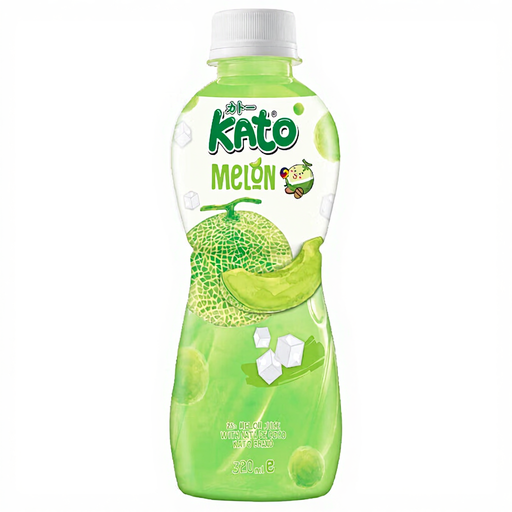
Why this suits this profile: Its single-serve format lets you try a melon drink without buying a large bottle.
The 320 ml volume limits waste, and the ingredients list shows 25% melon concentrate.
Ready-to-drink, 25 kcal per 100 ml and contains 16% nata de coco.
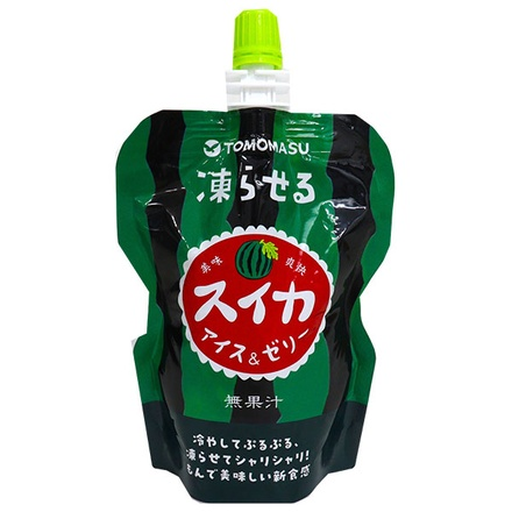
Why this suits this profile: Its format and jelly-like texture offer a tasting experience that’s very different from a simple watermelon juice.
The texture is clearly presented as a central feature of the product, without pretending to be a classic drink.
130 g pouch, 109 kcal per stated serving and store away from heat.
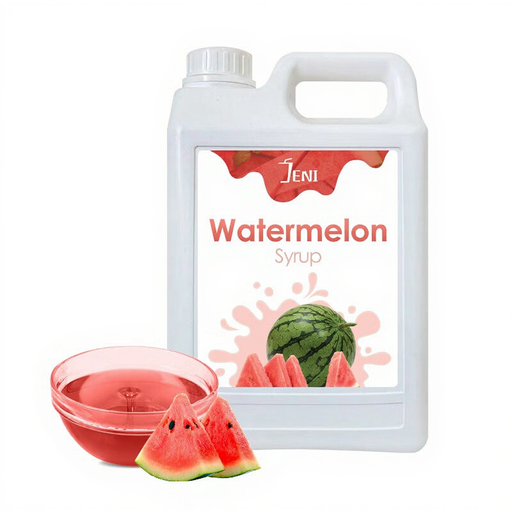
Why this suits this profile: Its large size meets the needs of cafés, restaurants, caterers and event organisers.
The 2.5 kg volume is clearly intended for preparing drinks and desserts, not for immediate individual consumption.
Use in lemonades, sodas, desserts and crushed ice. Contains colouring E129 – something to consider before buying.
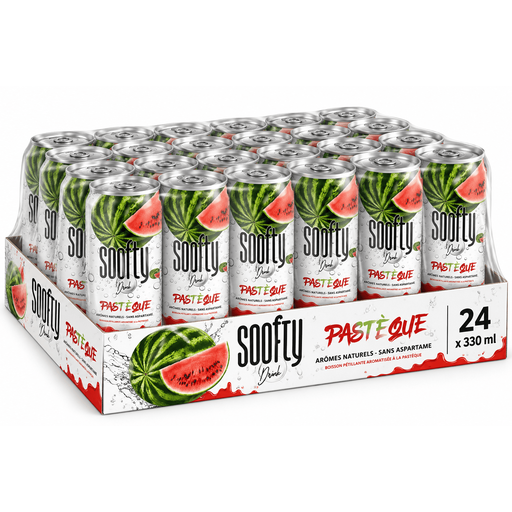
Why this suits this profile: The packaging is ideal for birthdays, offices, events and households that regularly enjoy chilled drinks.
The number of cans and the total volume of 7.92 litres are clearly stated, making it easy to estimate your needs.
Individual 330 ml cans, fizzy drink ready to serve and store at room temperature before opening.
We’ve put together a complete, real-time updated list of products that fully meet these strict selection criteria and European safety regulations.
A melon drink is usually ready to drink, whereas a watermelon syrup needs to be diluted. The latter is better suited to making larger quantities, especially for lemonades, desserts or custom drinks.
Follow the instructions on the label. An opened drink often needs to be kept in the fridge and consumed within 24 to 72 hours. Ice products must stay at −18 °C and must not be refrozen after thawing. Seeds and sweets should be kept in a dry place, away from heat and moisture.
Yes, they are generally ready to enjoy, but you need to crack the shell to get to the seed. Check the salt content: some seasoned varieties contain over 4 g of salt per 100 g, which means they’re best kept for occasional rather than daily snacking.