
Livraison le jour même ou le lendemain

Qualité garantie

Débloquez vos offres de bienvenue: Livraison GRATUITE | Jusqu'à -80 % | 30 jours d'essai gratuits à JoyPlus
Téléchargez l'application
A melon drink, a watermelon juice or a few seasoned seeds can add a touch of originality to a snack, an aperitif or a party. But the packaging alone isn't enough to compare different products. A phrase like "fruity flavour", a large pack size or a bright colour can hide a very sugary recipe, an overpowering aroma or a quantity that's not well suited to how you plan to use it.
Here are the main pitfalls to avoid before buying melon and watermelon products, along with a selection designed for different types of shoppers in the UK.
A watermelon juice or a melon juice doesn't have the same composition as a flavoured drink. Start by checking the ingredients list and the percentage of juice or concentrate. Some drinks contain only a small amount, topped up with water, sugar, sweeteners, acidity regulators and flavourings.
So a "melon flavour" claim doesn't necessarily mean the product contains a significant amount of fruit. To compare products, look at:
A pack of 24 cans can be handy for a party, a café or an association. However, it takes up more space and needs to be consumed in good condition. On the other hand, an individual format is better suited to an on-the-go lunch or trying an Asian melon drink for the first time.
Remember to compare the price per litre, rather than just the pack price. For making lemonade from a watermelon syrup, a 2.5kg container can be worthwhile for a catering professional, but frankly oversized for occasional home use.
Drinks containing nata de coco, basil seeds or jelly are nothing like a standard fizzy drink. Their texture can be fibrous, gel-like or slightly viscous. Some bottles also need to be shaken before serving to distribute the ingredients evenly.
Melon ice lollies must be stored at −18°C or below and must never be refrozen after thawing. For snacks, humidity and heat can quickly ruin the crunch. Always check the best-before date and the instructions on the packaging.
For a refreshing fruity drink, check the nutritional values per 100ml. Some products have around 19 to 52 kcal per 100ml, while sugary fizzy drinks can contain much more sugar per can. A drink labelled "sugar-free" may still contain sweeteners – only reading the full ingredients list will give you the full picture.
Families should also be aware of colourings that carry a statutory warning about activity and attention in children, particularly E102, E110 or E129. This obviously doesn't replace checking the full label or following age recommendations.
The packaging affects storage, cost per serving and ease of serving. In a restaurant or café, consistent dosage and shelf life after opening matter just as much as the flavour.
Even when no allergens are declared, the product may have been made in a facility that handles milk, nuts, soya or wheat. Seasoned seeds can also contain salt, sugar, flavour enhancers or sweeteners.
Hard watermelon sweets also pose a choking risk for young children. Always follow the age guidance on the pack and never let small children eat these confectionery items unsupervised.
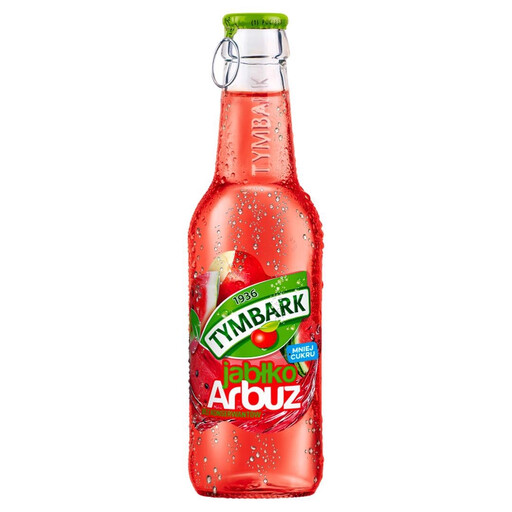
Why this choice suits this profile: Its individual format lets you try a watermelon drink without being left with a large volume to get through. The recipe combines apple juice with 1% watermelon juice from concentrate.
At 250ml, this format limits waste after opening. The product page states 19 kcal and 4.6g of sugar per 100ml.
A practical format, a pasteurised drink and refrigeration for 48 hours after opening.
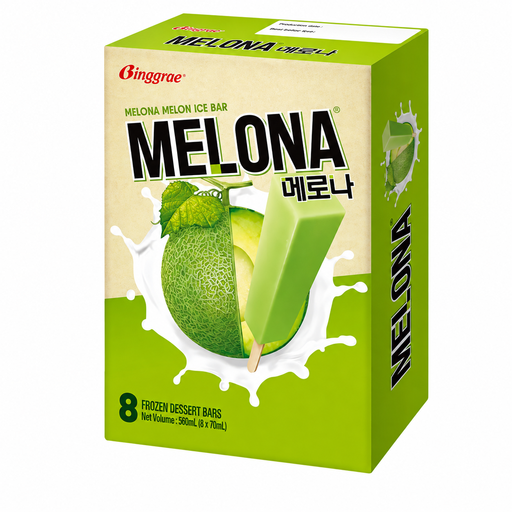
Why this choice suits this profile: This South Korean speciality focuses on a creamy texture and melon flavour, with eight individual 70ml portions.
The packaging clearly states storage at −18°C or below and specifies not to refreeze the product after thawing.
A box of eight ice lollies, a milky texture and 130 kcal per 100ml according to the product page.
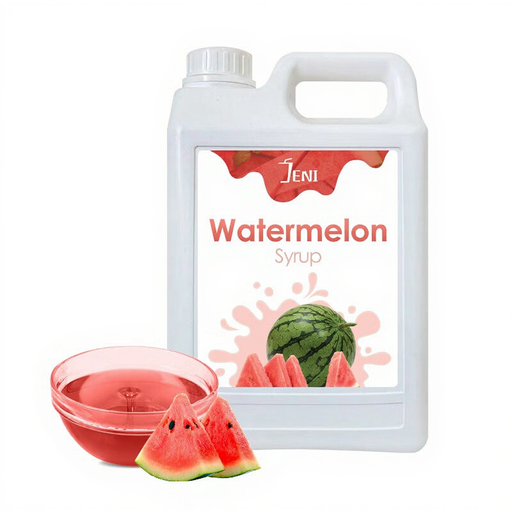
Why this choice suits this profile: Its large container is aimed at cafés, restaurants, caterers and party organisers who regularly prepare watermelon drinks.
The professional format avoids accumulating lots of small bottles. However, you need to be aware of the presence of colouring E129 and follow the recommended dosage.
A product that can be used in lemonades, fizzy drinks, cocktails, desserts and slushies, depending on the recipe.
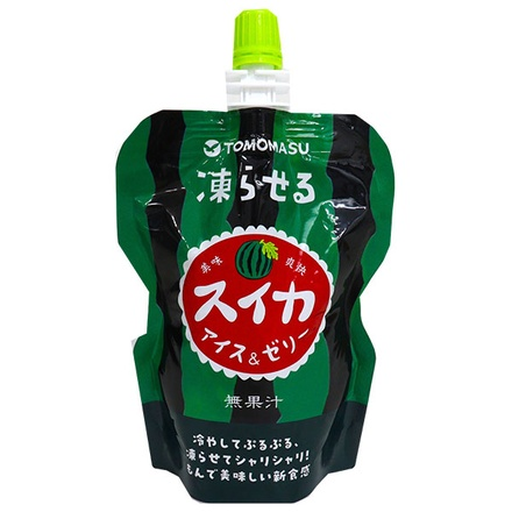
Why this choice suits this profile: Its 130g pouch combines a watermelon flavour with a jelly-like texture, in a format that's easy to slip into a picnic bag or lunchbox.
The product page details the weight, energy value of 109 kcal per pouch and storage conditions, away from heat.
An original texture, an individual portion and a stated shelf life of 12 months.
We've put together a complete, real-time updated selection of products that meet these selection criteria and European safety standards.
A melon drink can be still and contain juice, concentrate or just flavourings. A melon fizzy drink is usually carbonated and may be sweetened with sugar or sweeteners. To tell them apart, look at the ingredients list, the juice content and the nutritional values.
Put it in the fridge and follow the time stated on the label. Depending on the product, you may need to consume it within 24 to 72 hours after opening. Drinks containing nata de coco or seeds often need to be shaken before serving.
They're usually eaten after cracking open the shell, as a savoury or seasoned snack. Check the ingredients, salt content and any allergen trace warnings. Once the packet is open, seal it carefully and store it in a dry place, ideally in an airtight container.