
Livraison le jour même ou le lendemain

Qualité garantie

Débloquez vos offres de bienvenue: Livraison GRATUITE | Jusqu'à -80 % | 30 jours d'essai gratuits à JoyPlus
Téléchargez l'application
Asian melon and watermelon products stand out for their instantly recognisable flavours, colourful packaging and unusual textures. But the promise of “fresh fruit” doesn’t guarantee that a recipe contains much juice. Whether you’re looking at sweet drinks, frozen desserts or confectionery, a few simple checks can help you avoid disappointment.
A watermelon drink may contain only a tiny amount of concentrate, with the rest made up of water, sugar, acidity regulators and flavourings. The ingredients list therefore tells you much more than the picture of fruit on the packaging.
For example, some drinks contain just 0.5% watermelon juice, while other melon recipes state that they contain 25% concentrated juice. Although both are classed as fruit drinks, they’ll taste very different.
A drink containing nata de coco, basil seeds or watermelon jelly isn’t enjoyed in the same way as a classic melon juice. The pieces may be chunky, fibrous or jelly-like. Before you buy, check for instructions such as “shake before serving”, “chew carefully” or “refrigerate after opening”.
Korean Melona ice creams must be kept at –18 °C or below. A break in the cold chain can change their texture, and a defrosted product must never be refrozen. Melon drinks and mochi generally have less demanding storage requirements, but you should still check the best-before date and any instructions for after opening.
Some products also contain colourings such as E102, E110 or E129, along with the required warning about children’s activity and attention. It’s worth bearing in mind if you’re buying for the whole family.
Start by comparing the proportion of juice or purée. A recipe containing 25% concentrated melon juice is in a different category from a drink that contains only a trace. Then check the sugar content: depending on the product, it can reach around 8.6 to 12.6 g per 100 ml.
The size is worth considering too. A 230 ml bottle is ideal for trying something new, while a 320 or 350 ml bottle is better for a longer break. If you’re considering an Arizona watermelon energy drink, also check for caffeine, green tea extracts and consumption advice. It isn’t just a fruit juice.
Check the volume per portion, the number of ice lollies and the storage instructions. Binggrae Melona bars are sold in packs of 8 × 70 ml, making them easy to share or store in your freezer.
The flavours don’t all offer the same experience: melon, coconut, banana and ube each have their own character. The coconut and ube versions contain around 171 and 179 kcal per 100 g respectively, according to the information provided for these products. These figures are most useful for comparing recipes, rather than treating the label as a nutritional diagnosis.
Melon mochi is made mainly from glutinous rice dough, sugar or syrup, and melon purée or flavouring. It has a soft, stretchy texture, while konjac jelly is denser and should be eaten with care. Young children and anyone who has difficulty swallowing should follow the warnings on the packaging.
If a watermelon sweet is described as halal, rely on the certification or information actually shown on the product. The presence of gelatine alone doesn’t tell you where it comes from. FINI Watermelon Slice sweets list gelatine in their ingredients, so check the packaging and compliance information before choosing them for a particular diet.
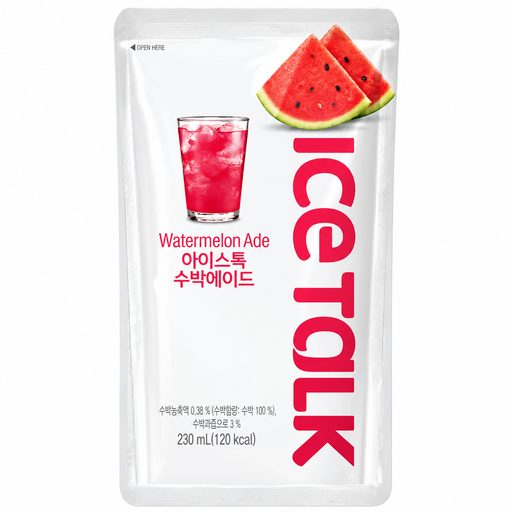
Why it suits this profile : at 230 ml, this watermelon drink lets you try it out without committing to a large bottle.
The smaller size means you won’t end up with a large quantity before you know whether you like the sweetness and flavour.
A South Korean drink in a 230 ml bottle, with no fat listed and easy to store in a cool place.
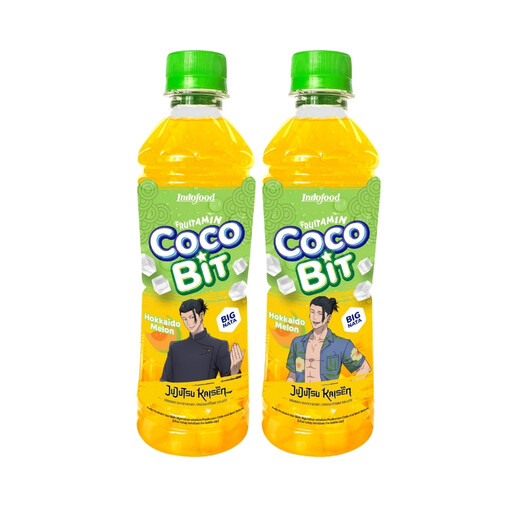
Why it suits this profile : this drink combines Hokkaido melon purée with nata de coco, all in Jujutsu Kaisen-themed packaging for a more unusual treat.
The product listing states that it contains 8 % melon purée and 5 % nata de coco: a more transparent recipe than a simple promise of flavour.
350 ml bottle, nata de coco pieces and 44 kcal per 100 ml according to the product listing.
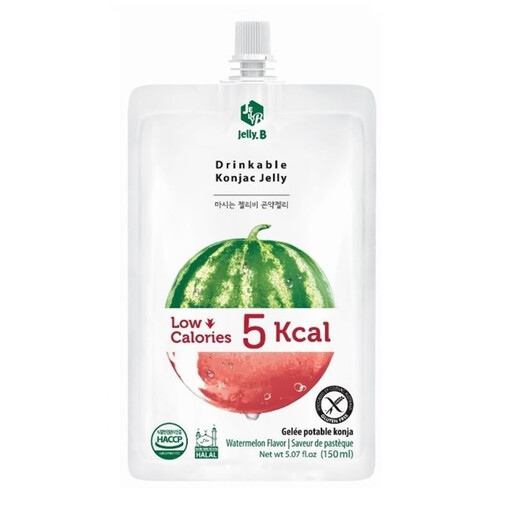
Why it suits this profile : the resealable pouch slips easily into a gym or travel bag, and lets you enjoy the portion over several sittings.
The konjac texture is clearly stated, and the product listing advises eating it carefully and chewing thoroughly to reduce the risk of choking.
150 ml portion, 5 kcal per pouch according to the listing, and no need to refrigerate before opening.
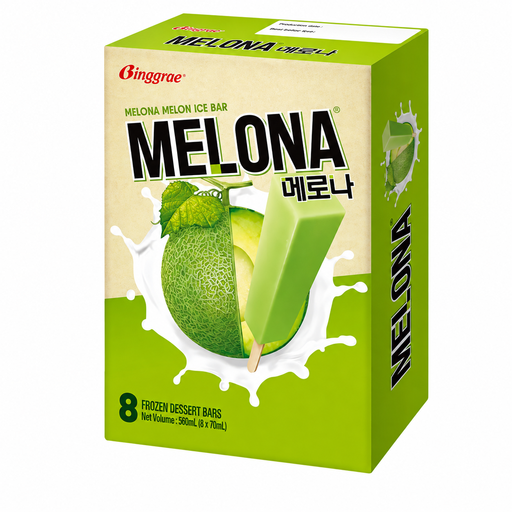
Why it suits this profile : the pack of eight individually wrapped ice lollies is easy to share, and gives you several portions to keep in the freezer.
The number of portions and the –18 °C storage requirement are clearly stated, helping you plan your purchase and preserve the ice creams’ texture.
8 × 70 ml, a creamy texture and around 130 kcal per 100 ml according to the information provided.
Before opening, some products can be kept at room temperature in a cool, dry place away from sunlight. Once opened, refrigerate the bottle and drink it within the time stated, often within 24 hours. If the nata de coco has settled at the bottom, remember to shake the bottle before serving.
They all have a creamy ice lolly base, but the flavour and nutritional values vary by recipe. The melon version has a honeydew flavour, coconut adds a tropical note, banana is milder, and ube has a slightly nutty purple yam flavour. Always check the product listing and allergen information before ordering.
No. An Arizona watermelon energy drink may contain caffeine, green tea and plant extracts. Check the amount stated on the label and follow the recommendations for children, pregnant or breastfeeding women, and anyone sensitive to caffeine. If you’re just after a fruity drink, a caffeine-free watermelon drink is often a better choice.