
Livraison le jour même ou le lendemain

Qualité garantie

Débloquez vos offres de bienvenue: Livraison GRATUITE | Jusqu'à -80 % | 30 jours d'essai gratuits à JoyPlus
Téléchargez l'application
Once a niche find in Asian grocery stores, melon soda has now become a mainstream trend, captivating fans of unique flavours. Whether you're a Japanese pop culture enthusiast or simply looking for a sparkling fruit drink that's a step above the usual, the sheer number of options can quickly become overwhelming. Between different origins, types of melon, and sometimes confusing packaging, it's easy to get lost.
To help you avoid disappointment, I'm sharing my expert tips for navigating the physical and virtual aisles to choose a soda that will truly delight your taste buds—and steer clear of marketing gimmicks.
Before you buy, watch out for these common pitfalls that could ruin the experience or lead to buyer's remorse.
To make the right choice, focus on these three fundamental aspects that make all the difference when it comes to taste.
Not all carbonated drinks are created equal. The format and texture have a huge impact on the experience.
This is arguably the number one factor.
A quick glance at the label is often very revealing.
To help you find the perfect one, here are our top picks, each suited to a different preference.
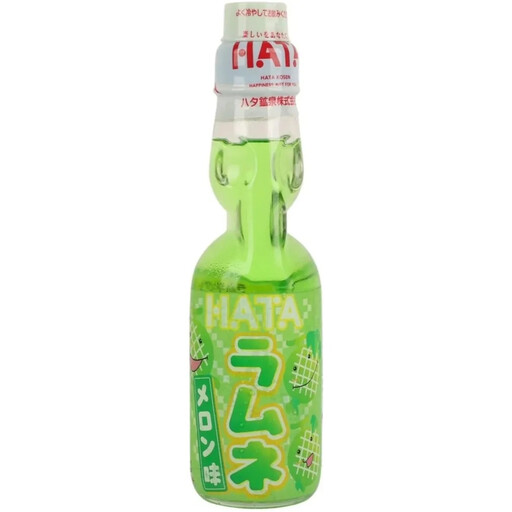
Why we chose it: Ideal for a first foray into the world of Asian sodas. Ramune is more than just a drink; it's an experience. Its unique opening mechanism with the glass marble is a playful ritual, emblematic of Japanese pop culture.
It turns the "packaging over product" pitfall into a strength. Here, the container is an integral part of the tasting experience. The added value is tangible, not just aesthetic.
An iconic opening and a very refreshing green melon flavour with no off-notes.
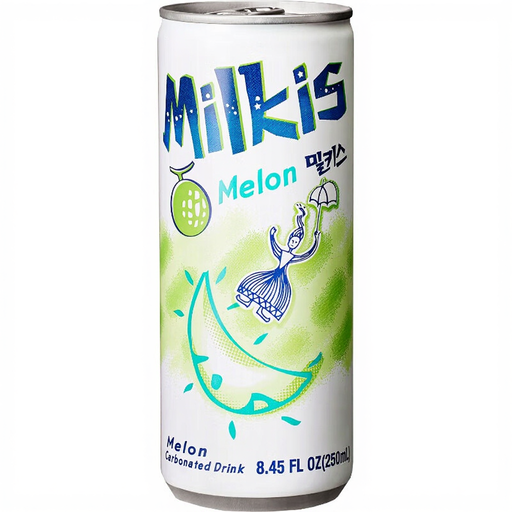
Why we chose it: Perfect for those who love creamy textures, think bubble tea or milkshakes. This cult-favourite Korean soda marries the bubbles of a soda with the smoothness of a milky base. The result? A unique mouthfeel that's simultaneously soft, creamy, and fizzy.
It's upfront about what it is. By billing itself as a "carbonated milk drink," it prevents any surprises about its texture and taste.
A unique, creamy, and fizzy texture. An original taste that really stands out from classic sodas.
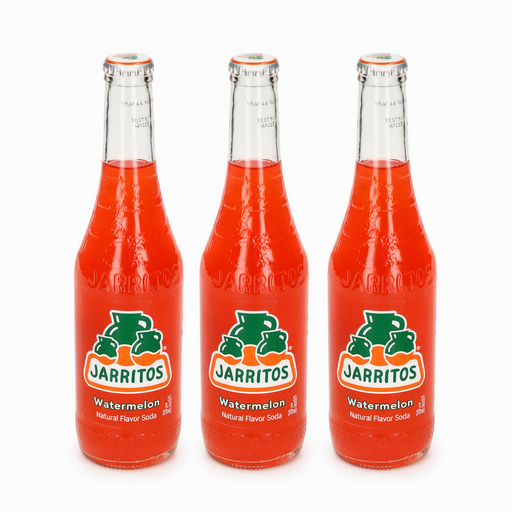
Why we chose it: The ideal drink for anyone looking for an authentic and ultra-thirst-quenching watermelon soda flavour. The Mexican brand Jarritos is a benchmark, known for its use of cane sugar and natural flavours. The taste is fruity, intense, and far less artificial than some of its competitors.
It avoids the "candy-like flavour" trap by focusing on high-quality ingredients. The cane sugar and natural flavours guarantee a clean and refreshing watermelon taste.
An authentic fruit taste, enhanced by cane sugar. Incredibly thirst-quenching, it's the perfect companion for a summer day.
Explore our complete selection of products that meet our quality standards and European regulations.
1. How do you open a Ramune bottle? There's a knack to it! Remove the plastic film from the cap to release the small plunger. Place the plunger on top of the glass marble, then press down firmly with the palm of your hand. The marble will drop into the bottle, releasing the carbonation. Don't worry, the two indentations on the sides of the neck are designed to hold the marble in place while you drink.
2. What's the difference between melon soda and watermelon soda? It's simply the difference between the two fruits. Melon soda (the famous Japanese melon soda) has a very fragrant and sweet taste, similar to cantaloupe. Watermelon soda, on the other hand, is lighter, fresher, and more watery, just like the summer fruit.
3. Are Asian sodas sweeter than American or European sodas? Not necessarily! It all depends on the brand. A Ramune, for example, contains about 10g of sugar per 100ml, a level very similar to sodas found in the West. Your best bet is to check the label and nutritional information to find out the exact sugar content.