Organiser mindful of dietary requirements
Before choosing a recipe, you’ll need to check whether anyone attending has allergies, intolerances or other dietary requirements. The name of a chocolate isn’t a substitute for reading its label.


Choose several chocolate bars if you know the group’s preferences and want to tailor the recipes and quantity to share. An assortment is a better choice if you’re looking for variety or an attractive way to say thank you. However, you’ll need to check the ingredients and allergens in each recipe. In either case, check the net weight and nutritional information per 100 g.
Before choosing a recipe, you’ll need to check whether anyone attending has allergies, intolerances or other dietary requirements. The name of a chocolate isn’t a substitute for reading its label.
You have a rough idea of how many people will be attending and want a quantity and format that’s easy to serve during the break.
Chocolate can also be a thank-you for a team, guest speaker or client. In that case, presentation and a choice of recipes may matter more than a single chocolate bar.
First, check for any dietary requirements. Then decide between specific recipes to share and an assortment to present. Check the quantity and labels for the products you choose.
| Criterion | What to check | What matters to shoppers |
|---|---|---|
| Allergens | The ingredients list and allergen information for each specific recipe. | If anyone attending has dietary requirements, I want to avoid offering them a recipe that isn’t suitable. Around 40% of shoppers would put this first. |
| Variety and presentation | The number of recipes and the type of presentation you want for serving or saying thank you. | When the chocolate is also a thank-you, I want to offer a range of flavours in suitable packaging; around 30% of shoppers would prioritise this. |
| Nutritional information | Sugars and other nutritional values per 100 g; check the Nutri-Score only if it appears on the packaging. | To compare recipes in different weights, I want to check sugar content on a like-for-like basis. Around 20% of shoppers would make this their priority. |
| Quantity to share | The total net weight in relation to the number of people attending. | When I know how many people will be at the meeting, I want to provide enough chocolate without ending up with lots left over. Around 10% of shoppers would prioritise quantity. |
The DGCCRF states that displaying it is voluntary in France. Its absence alone doesn’t tell you anything about the composition of a chocolate.
Compare the ingredients and nutritional values per 100 g, and take the Nutri-Score into account when it’s shown.
Article 1613 ter of the French General Tax Code, published by Légifrance, applies to drinks and liquid drink preparations containing added sugars, not solid chocolate bars or gift boxes.
When choosing chocolate, check the sugar content in the nutritional information rather than assuming this levy applies.
A gift box may contain different ingredients in each chocolate. Lindt notes, for example, that none of its products is guaranteed to be completely free from tree nut allergens.
Ask about dietary requirements before buying, then check the ingredients and any ‘may contain’ information for the product you choose. Have an alternative ready if needed.
Milk chocolate bars, some combining milk and white chocolate.
According to Lindt France, its range includes chocolate bars, boxes and gift boxes.
Nestlé France offers Crunch bars in milk, dark and white chocolate, known for their crisp texture.
The 180 g milk chocolate bar with raisins and hazelnuts featured by Joybuy is an example of a recipe with added ingredients.
The range includes a dark chocolate bar labelled ‘dessert’.
E.Leclerc offers a 200 g milk chocolate bar with whole hazelnuts.
This selection includes an assorted gift box if you want a variety of recipes or a thoughtful way to say thank you, as well as chocolate bars to choose according to the group’s tastes and how much you need to share. Check the ingredients for each product before serving a group.
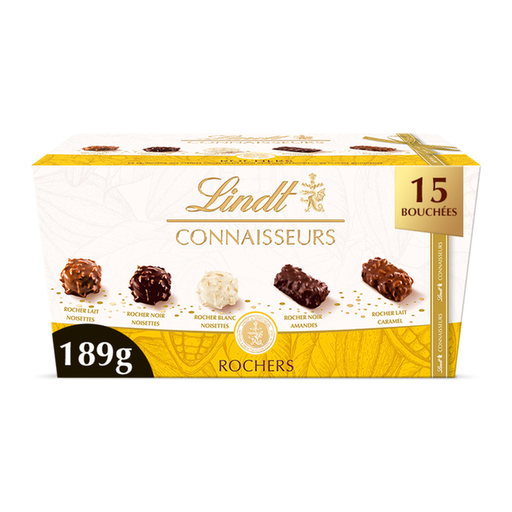 Image unavailable
A gift box to consider if you want to serve an assortment at the meeting or include a thank-you. It has a net weight of 189 g. Check the allergens in each recipe before sharing.
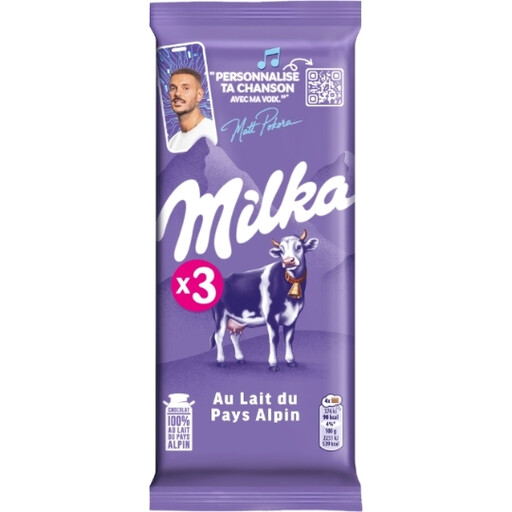 Image unavailable
A pack of three milk chocolate bars if you want to share the same recipe, with 300 g in total. The product information lists milk, hazelnuts and soya, among other ingredients. Check the packaging against the group’s dietary requirements.
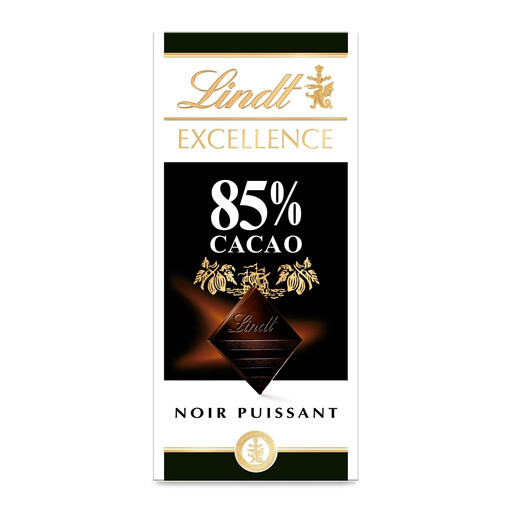 Image unavailable
A bar to consider if the group would prefer dark chocolate with 85% cocoa to an assortment. It weighs 100 g. Don’t assume the name means it’s allergen-free: check the information on the specific packaging.
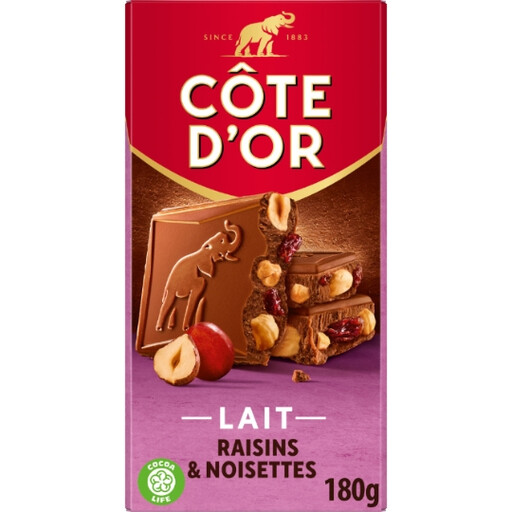 Image unavailable
A 180 g bar for sharing if you want to serve one recipe with raisins and hazelnuts. Joybuy states that this product contains 13% whole hazelnuts and 11% sultanas; check dietary requirements before serving.
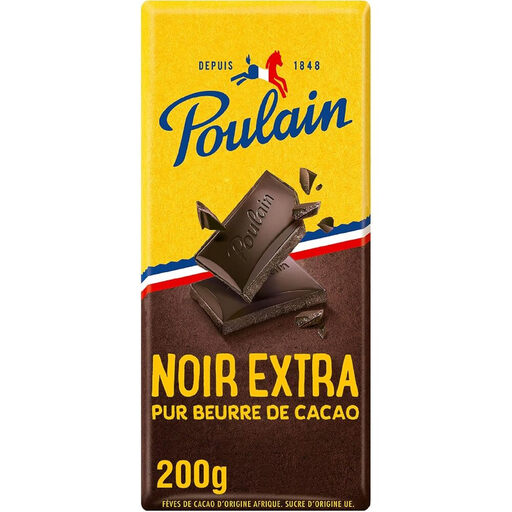 Image unavailable
A 200 g bar if you’re planning to share one recipe of dark chocolate. The product information lists milk and soya; check the packaging if these ingredients are a concern for the group.
No. The DGCCRF states that the Nutri-Score is voluntary in France. However, for most prepacked foods, the nutrition declaration lets you compare values such as sugars and fat per 100 g. Check it even if there’s no logo.
No, not under the levy set out in Article 1613 ter of the French General Tax Code, published by Légifrance. This legislation applies to drinks and liquid drink preparations containing added sugars, not solid chocolate bars or gift boxes.
First, ask what dietary requirements you need to consider. Then read the ingredients and allergen information for each specific product. A gift box may contain several recipes, so its appearance or the names of the chocolates won’t tell you whether they’re suitable.