
Livraison le jour même ou le lendemain

Qualité garantie

Débloquez vos offres de bienvenue: Livraison GRATUITE | Jusqu'à -80 % | 30 jours d'essai gratuits à JoyPlus
Téléchargez l'application
Breast milk leaks can happen at home, when you're out and about, or at work. A poorly chosen pad can quickly become a nuisance: a persistent damp feeling, protection that shifts inside your bra, visible outlines under clothing, or repeated purchases because the size doesn't suit your daily routine.
Medela breast pads are available in disposable models for everyday protection, as well as hydrogel nipple pads for sensitive nipples. Before placing an order, it's worth separating the marketing claims from the features that genuinely make a difference day to day.
A very thin pad is easy to forget you're wearing, but its effectiveness also depends on its absorbent core, the surface area it covers, and how well it stays in place. Conversely, a thicker model isn't necessarily more protective.
For everyday use, opt for absorbent breast pads that offer enough coverage and have a reliable adhesive fix. The capacity stated by the manufacturer is only a guide – it doesn't guarantee the same result for everyone.
A pad that traps moisture against the skin can quickly become uncomfortable, especially after several hours. Claims of ultra-breathable breast pads or "ultra-breathable" should be backed up by concrete features: an outer layer that promotes air circulation, a soft lining, and regular changing.
Even a pad marketed as breathable needs to be replaced as soon as it feels damp or soiled. This will help reduce that clammy sensation and minimise friction.
A pack of 60 may be enough for regular use. On the other hand, a pack of 120 cuts down on repeat orders if you're using several pads each day. However, a larger pack is only worthwhile if the model suits your skin, your flow, and your lingerie.
For sore or sensitive nipples, disposable pads don't serve the same purpose as hydrogel pads. These two categories are complementary, not interchangeable.
For reliable protection against breast milk leaks, look for the following:
The Medela Ultra-Breathable models are around 1.6 mm thick in the 120-unit pack. A handy feature if you're after discreet protection under a blouse or T-shirt.
Hypoallergenic breast pads that have been dermatologically tested can be suitable for reactive skin. However, "hypoallergenic" doesn't mean an individual reaction is impossible. Check the ingredients and stop using them if you notice any redness, irritation, or discomfort.
Medela hydrogel pads are said to be made from 100% polymer, free from BPA and phthalates, according to the product information. They are sterile and individually wrapped. The manufacturer states they can be reused within a single 24-hour period, provided they are rinsed with clean water, patted dry, and then replaced with a fresh pair after that time.
Disposable pads are designed for single use only: do not wash or reuse them. Keep them in their packaging until you're ready to use them, and store them in a clean, dry place. Individual sachets are easy to slip into a changing bag, handbag, or desk drawer.
For a hydrogel pad, check the sterile packaging is intact before use. Do not use it if the wrapper is open or damaged, or if the pad itself is dried out or damaged. The provided recommendations also advise against applying these pads to infected or broken skin without seeking advice from a healthcare professional.
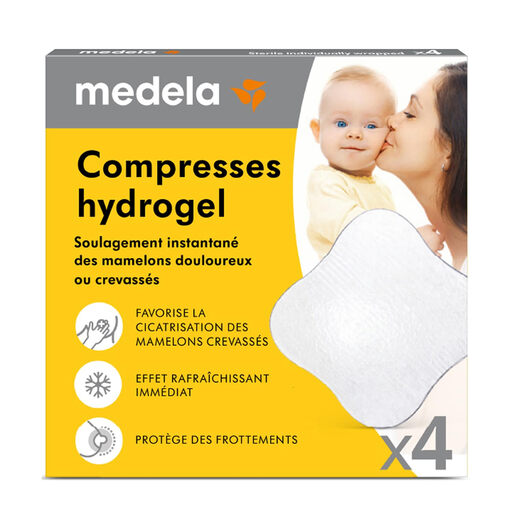
Why this choice suits this profile: This pack of four pads lets you try hydrogel for your nipples without committing to a large stock. It's ideal for anyone looking for a targeted solution during periods of breastfeeding-related sensitivity.
It doesn't claim to replace absorbent pads – its use is different and limited to a 24-hour period according to the instructions provided.
Sterile pads, individually wrapped, made from hydrogel free from BPA and phthalates according to the product sheet, with a cooling sensation on application.
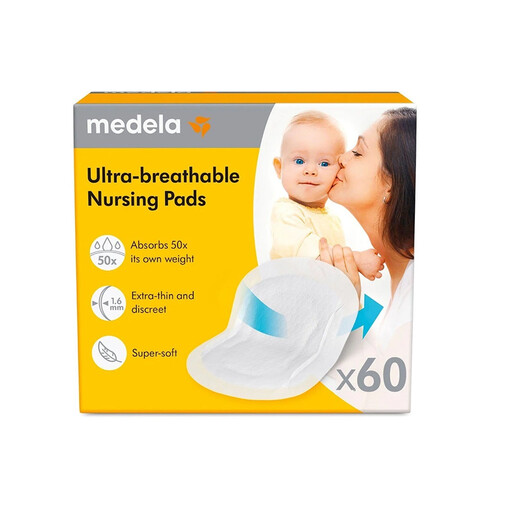
Why this choice suits this profile: This 60-unit pack is ideal for a daily routine focused on comfort, discretion, and easy transport between home and work.
Its contoured shape and adhesive strips target two common issues: visible outlines under clothing and pads that shift inside the bra.
Ultra-breathable disposable pads, individually wrapped, with a super-absorbent core and dermatologically tested according to the product sheet.
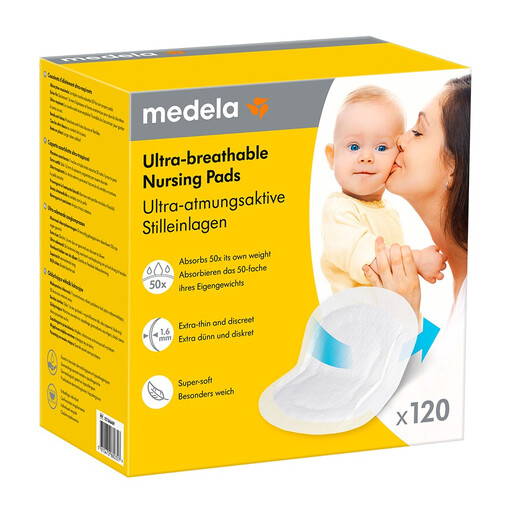
Why this choice suits this profile: The 120-pack is designed for mothers who change their pads frequently, travel regularly, or want to reduce how often they restock.
The larger pack means fewer repeat purchases of smaller packs, while the individual wrapping makes hygienic storage and transport simple.
Stated thickness of around 1.6 mm, an outer layer that promotes air circulation, a soft lining, and an adhesive fix, according to the features provided.
We've put together a comprehensive, real-time updated list of products that meet these demanding selection criteria and European safety standards.
Before applying a pad, make sure your skin is clean and dry. Centre it in your bra, then check that it fits your bust properly. Replace it as soon as it feels damp, even if it isn't completely saturated.
With disposable models, throw each pad away after use and never flush it down the toilet. For hydrogel pads, follow the instructions carefully: rinse with clean water, without soap or detergent, then replace within the stated time.
If you experience persistent irritation, redness, unusual pain, or any sign of infection, stop using the pads and seek advice from a healthcare professional. Pads are not a substitute for medical advice when it comes to cracked or sore nipples.
It depends on your milk flow and the time of day. Replace them as soon as they feel damp, have moved, or are soiled. Keeping a dry pad against your skin reduces discomfort and prevents friction caused by moisture.
According to the product information, hydrogel pads can be reused within a single 24-hour period. Rinse them with clean water after each use, pat them dry gently, and replace them with a fresh pair after that time. Do not use them if they are damaged or dried out.
The pack of 60 is a good starting point for a daily routine or to gauge how many you use. The pack of 120 is better value if you're a heavy user, change pads frequently, or want to keep a stock at home. Compare the price per unit and make sure the model suits your skin before opting for the larger pack.