
Livraison le jour même ou le lendemain

Qualité garantie

Débloquez vos offres de bienvenue: Livraison GRATUITE | Jusqu'à -80 % | 30 jours d'essai gratuits à JoyPlus
Téléchargez l'application
Choosing a mechanical pencil might seem straightforward, but with the vast array of models available, finding the instrument that balances precision, durability, and comfort requires some thought. Whether you're a student, artist, or professional, a good mechanical pencil is an investment in the quality of your daily work. This guide cuts through the marketing noise, focusing on the essential criteria to help you select a reliable tool tailored to your actual needs.
Before browsing our selection, here are a few key points based on objective features to guide your decision.
The lead diameter is arguably the most important criterion. It determines the fineness of your line and the primary use of your mechanical pencil.
The pencil's body material influences its weight, balance in hand, and longevity.
Most mechanical pencils use a simple and effective push-button mechanism. Some high-end models feature twist mechanisms or automatic lead advancement systems. The key is to choose a smooth, jam-free mechanism that allows for easy control of the lead. A good refillable mechanical pencil should be easy to disassemble for refilling or clearing a broken lead.
As a Joybuy Product Recommendation Officer, my role is to curate the market and present products with features that meet clear needs. Here is a selection of three models with distinct profiles.
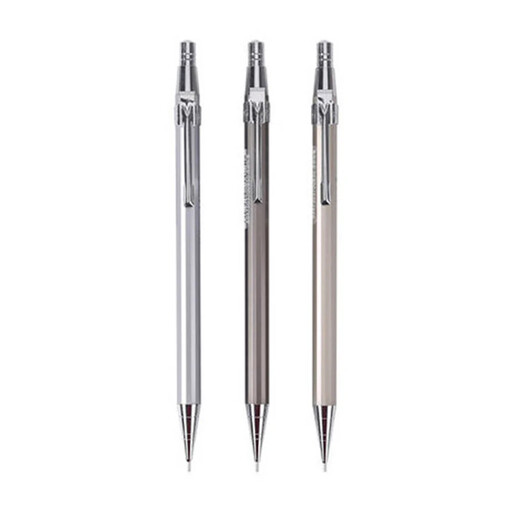
Why we recommend it: This set offers excellent value for money for intensive daily use. The metal body provides a pleasant weight and balance often found in more premium models. The 0.5 mm lead is perfect for clean, precise writing.
Pros:
Who is this for? Students, office professionals, and anyone who needs several reliable mechanical pencils without breaking the bank. It's a highly functional option for equipping the whole family or a department.
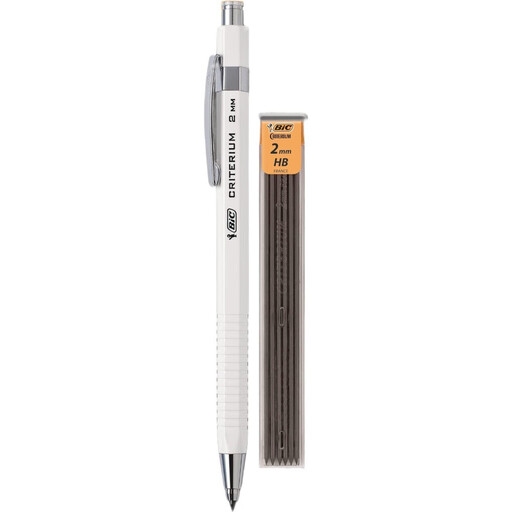
Why we recommend it: The BIC Criterium is a true classic. This model, with its 2 mm lead, is particularly valued for its robustness and the quality of its thick, highly visible line. It's the tool of choice for sketching and tasks that don't require extreme fineness.
Pros:
Who is this for? Artists, designers, architects, and all creatives who need a simple, effective tool for their sketches. It's also suitable for construction professionals for marking on various surfaces.
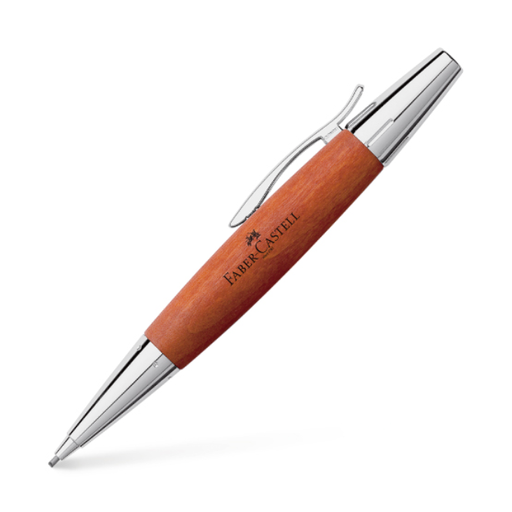
Why we recommend it: This Faber-Castell model is an exceptional piece that blends aesthetics with functionality. The genuine pearwood body offers a unique tactile experience, while its ergonomic shape ensures remarkable writing comfort. It's a choice for those who appreciate fine craftsmanship and German engineering.
Pros:
Who is this for? Professionals, lovers of fine stationery, and anyone looking for a sophisticated gift. It's a statement writing instrument that elevates the act of writing.
If these models don't perfectly match your needs, or if you're simply looking to organise your writing instruments, a wide range of accessories is available. Proper storage is essential to protect your tools and keep them within easy reach.
Discover our selection of Pencil Holders to complete your setup.
In France, the two terms are often used interchangeably. Originally, "Critérium" was the name of a mechanical pencil model launched by the Gilbert company in the 1930s. It became so popular that the brand name entered common parlance to refer to any mechanical pencil. Today, a "critérium" is simply a type of mechanical pencil.
Most models are refilled in a similar way.
For a technical drawing pencil, precision is paramount. Models with fine leads like 0.3 mm or 0.5 mm are highly recommended. A metal mechanical pencil is often preferred for its weight and balance, which allow for better line control during long work sessions. A long, fixed guide pipe is also an advantage for use with a ruler or template.