
Same-day & Next-day Delivery

Quality Guaranteed

Unlock Your Welcome Offers: FREE Delivery | Up to 80% OFF | Free 30-day JoyPlus trial
Download the APP
Meal prep, the art of preparing meals in advance, is winning over more and more people. And for good reason: it promises better eating, time savings, and budget control. But the initial enthusiasm is often dampened by low-quality gear. A lid that leaks in your bag, a plastic container permanently stained by bolognese sauce, a box that warps in the microwave… these are struggles we know all too well.
Before investing in a meal prep kit, it's crucial to know how to sidestep marketing traps and focus on what really matters. Follow this guide to make an informed and, most importantly, sustainable choice.
To keep meal prep enjoyable, three technical points must be scrutinised. This is what will make the difference between a kit you'll use for years and one that will end up at the back of a cupboard.
This is the starting point. Each material has its strengths and weaknesses.
Properly keeping meals fresh at the office (or anywhere else) relies on a perfect seal. A reliable system combines two inseparable elements:
A good meal prep set should follow you everywhere and simplify your life. Check the compatibility of each component with your appliances:
Rather than offering a generic list, we've matched specific solutions to distinct user profiles.
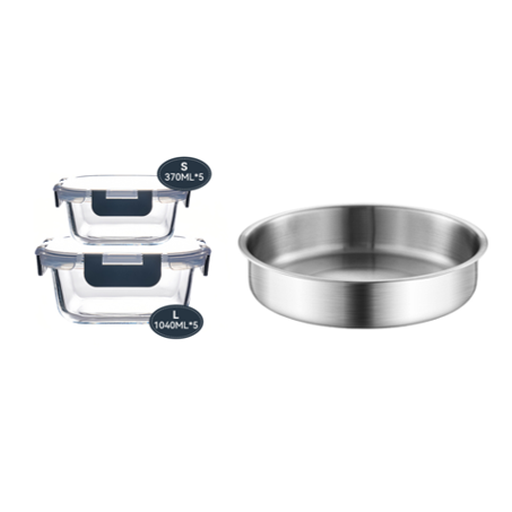
Why it's a great choice: The perfect all-in-one solution to prep, store, transport, and even serve. This set combines the food-safe properties of glass with the durability of stainless steel.
No more plastic containers permanently stained by tomato sauce. The borosilicate glass won't stain or absorb odours. The clip-on lids ensure a truly reliable seal for transport.
It combines glass storage containers of various sizes with an unbreakable, oven-safe 304 stainless steel plate. Maximum versatility for any use case.
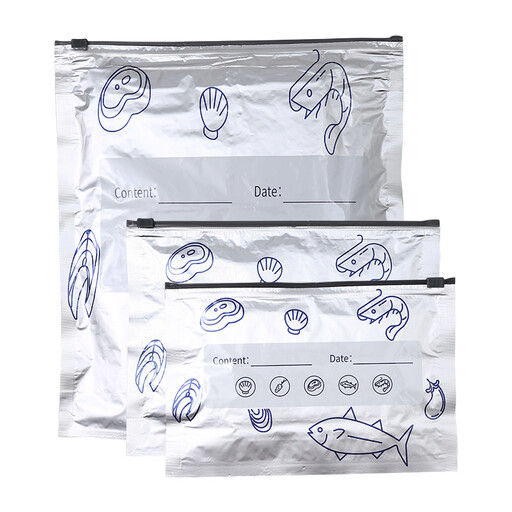
Why it's a great choice: Essential for fans of batch cooking and freezing in large quantities. These bags optimise space while preserving the freshness of meat, fish, or vegetables.
Unlike standard plastic bags, the aluminium foil blocks light and air, which limits oxidation and the dreaded freezer burn. The write-on area puts an end to mystery meals at the back of the freezer.
These bags are reusable, washable, and far less bulky than rigid containers. Their slider seal is perfectly airtight and preserves the texture and taste of food, even after months in the freezer.
We've compiled a complete and up-to-date list of products that meet these strict selection criteria and safety regulations.
Bisphenol A (BPA) is a controversial chemical compound classified as an endocrine disruptor. As a precautionary principle, it is recommended to avoid it, especially for food containers that will be heated. Choosing a BPA-free food container or, better yet, opting for inert materials like glass or stainless steel, is the best way to limit any risk.
In theory, yes, if it's borosilicate glass, which is designed to withstand thermal shock. In practice, to maximise the lifespan of your dish, avoid overly abrupt temperature changes. The ideal approach: let it thaw for a few minutes at room temperature before putting it in the oven. And of course, always remove the plastic lid before putting a dish in the oven or microwave!
This is the weak point of airtight containers: gaskets that retain odours. The right habit: after each use, remove it and wash it separately with soapy water. If a stubborn odour (curry, garlic, etc.) lingers, don't panic! Let the gasket soak for an hour in a mixture of warm water and white vinegar. Rinse it well, dry it completely, and it will be as good as new.