What should you compare before choosing?
Start by deciding how much room fresh and frozen food need to take up in your shopping, then check that your chosen configuration will fit in your kitchen.
Fridge freezer
Consider this if: you regularly use both compartments and want them together in one place.
Bear in mind: the amount of freezer space varies between models, so check that it will genuinely fit your portions.
Fridge with a freezer compartment
Consider this if: you mainly store fresh food and only keep a few frozen items for convenience.
Bear in mind: a small compartment can become restrictive if you start freezing prepared meals regularly.
Separate fridge and freezer
Consider this if: you keep a large stock of frozen food and have enough room for two appliances.
Bear in mind: you’ll need two suitable spaces, and should compare the stated annual energy consumption of both appliances combined.
| What to compare |
What to check |
Based on your needs |
| Capacity split |
Compare the fridge and freezer capacities in litres separately. If you use portion containers, check the height of the drawers and how easy they are to access. |
I prepare several meals in advance: I need room for fresh ingredients without squeezing in the frozen portions. |
| Energy consumption |
Check the kWh/year and energy rating alongside the capacity and format. For two separate appliances, add together their stated annual energy consumption. |
I shop less often and want enough capacity, without choosing space I won’t use or assuming a feature will reduce energy consumption. |
| Cooling and maintenance |
Check the temperature settings and the freezer compartment’s features. No Frost relates to frost management; compare kWh/year separately. |
I want to keep my food fresh at a suitable temperature and take defrosting into account when choosing. ANSES recommends keeping the coldest part of the fridge between 0 and +4 °C. |
| Installation |
Measure the space and the delivery route. Check the model’s manual for ventilation clearances and the ambient temperature range for its climate class. |
My appliance needs to fit in my kitchen and be installed in accordance with its manual, whether it’s freestanding or integrated. |
Which branded models can you use as a guide?
These models illustrate different capacity splits and installation requirements. Their specifications won’t apply to every appliance from the same brand.
Bosch
Bosch’s product listing for the freestanding KGN367ICT fridge freezer gives a 218 l fridge capacity, a 103 l freezer capacity, a C energy rating and a noise level of 35 dB.
- The separate capacity figures make it easier to assess the space for fresh and frozen food.
- Check the model number on the product listing: these figures apply to the KGN367ICT, not all Bosch fridge freezers.
Samsung
Samsung describes the BRB30600EWW as a 298 l integrated fridge freezer with No Frost, measuring 540 × 1935 × 550 mm.
- This model offers a useful point of comparison if you’re looking for an integrated appliance.
- Check its dimensions and installation instructions against your cabinet space. Total capacity alone doesn’t tell you how much room is available for frozen food.
Liebherr
Liebherr’s product listing for the CNsfa 7723 Plus gives a total capacity of 485 l, a noise level of 34 dB and dimensions of 201.5 × 74.7 × 67.5 cm.
- Its stated capacity makes it worth considering if you’re looking for a larger format for less frequent shopping.
- Measure the space and access routes: its width of 74.7 cm and height of 201.5 cm need to suit your kitchen.
Whirlpool
Whirlpool gives the WHK2 6494 X6E a total capacity of 490 l, split between a 340 l fridge and a 150 l freezer, with a C energy rating and a noise level of 36 dB.
- The capacity figures for each compartment help you judge more accurately how much room is available for frozen portions.
- Before choosing this model, check its dimensions, the delivery route and the installation instructions in its manual.
Which appliances should you look at on Joybuy?
These appliances combine refrigeration and freezing in one unit, including multi-door and side-by-side formats. To choose one that suits your meal prep, check the capacity split where it’s given, then confirm the installation requirements for the model you’re considering.
 Image unavailable
Candy CFQQ5T817EPS, four-door, 467 l
This 467 l four-door appliance combines fridge and freezer space for meal prep, and is listed with Total No Frost and an E energy rating. Check the space needed for installation and the capacity of each compartment before choosing.
View on Joybuy
 Image unavailable
Haier HTW5618ENMG, three-door, 360 l
This 360 l three-door fridge freezer is worth considering if you want to store fresh food and frozen portions in one appliance. Its listing mentions Total No Frost, an E energy rating, Wi-Fi and My Zone. Check the capacity of each compartment and the ventilation requirements before buying.
View on Joybuy
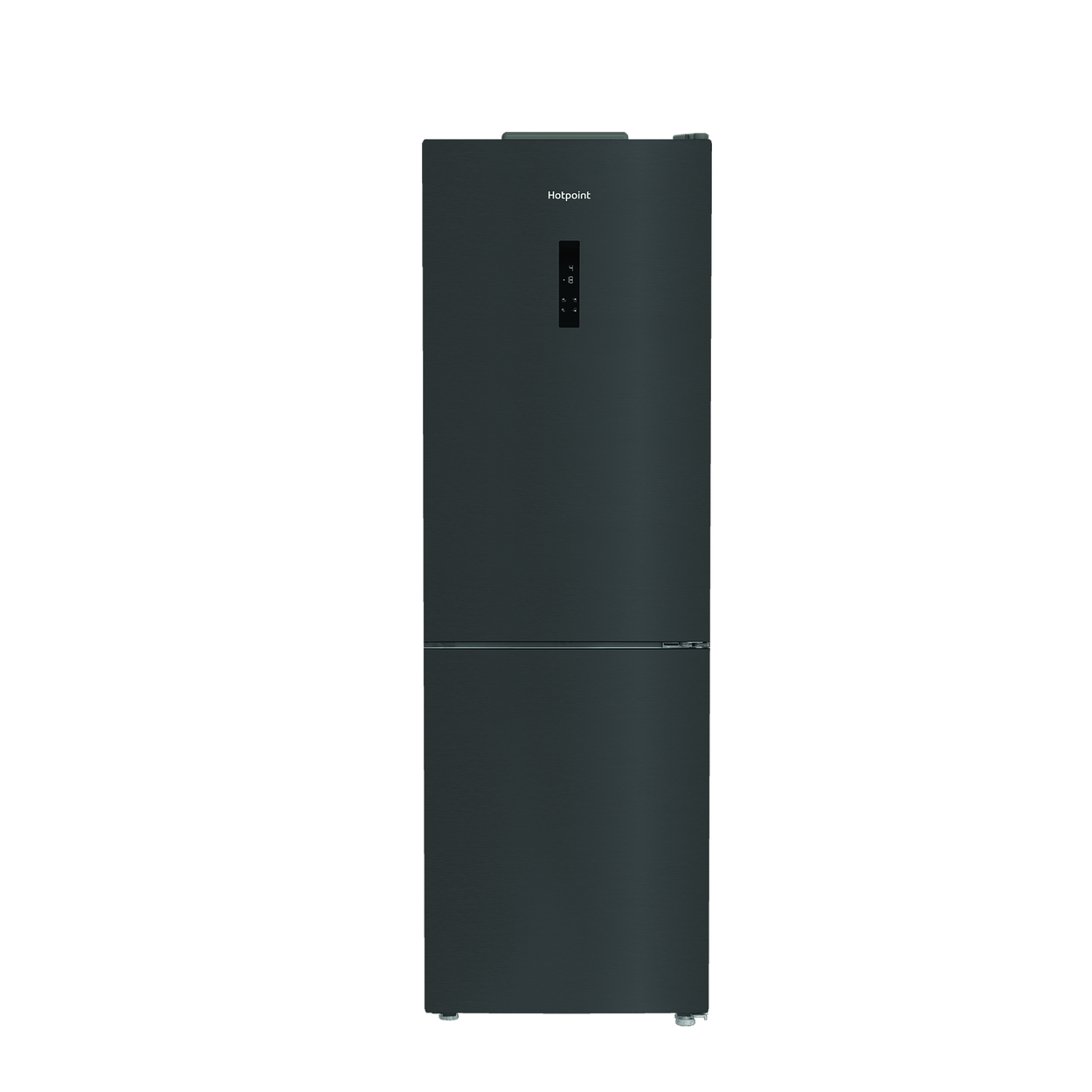 Image unavailable
Hotpoint HPK26363XBR5E, 316 l
With a stated capacity of 316 l, this fridge freezer is worth considering if you want to keep fresh and frozen food in one appliance. Its listing mentions dual No Frost and a D energy rating. Check how the capacity is split, the climate class and the installation instructions for this model.
View on Joybuy
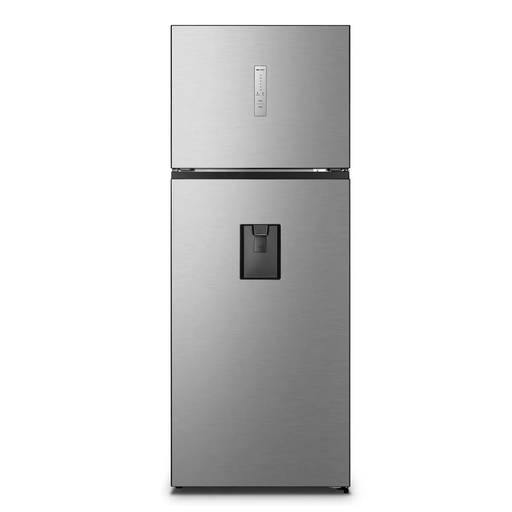 Image unavailable
Hisense FTN461WCE1, 467 l
This 467 l fridge freezer could offer plenty of storage in one appliance, provided the split between fresh and frozen capacity suits your meals. The listing mentions Total No Frost and an E energy rating. Measure the space and check the installation instructions.
View on Joybuy
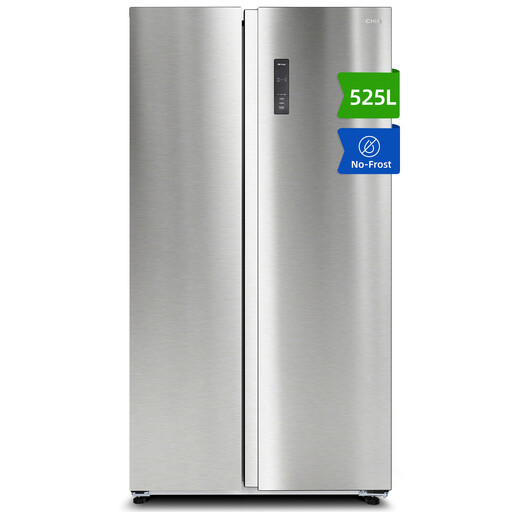 Image unavailable
CHiQ JR525WSE side-by-side, 525 l
Designed for less frequent shopping and frozen portions, this side-by-side appliance lists a 333 l fridge and a 192 l freezer. Its listing mentions No Frost, 37 dB and an E energy rating. Check its dimensions, kWh/year and installation instructions before comparing it with other formats.
View on Joybuy
Frequently asked questions
How much capacity do I need for meal prep?
Start with how often you shop and how much fresh food and frozen portions you need to store, then check the capacity of each compartment in litres. Gifam provides capacity guidelines based on household size, but these don’t replace checking what you actually store, particularly in the freezer.
How do I compare the energy use of a fridge freezer with two separate appliances?
Compare the stated kWh/year for appliances with similar capacities and formats. If you’re considering a separate fridge and freezer, add together their stated annual energy consumption, then check that the combined capacity suits your needs.
Does No Frost mean an appliance uses less energy?
No, this feature alone doesn’t mean an appliance uses less energy. It relates to frost management; to compare models, check their stated kWh/year for similar formats and capacities.
What temperature should I aim for in my fridge?
ANSES recommends keeping the coldest part of the fridge between 0 and +4 °C. After installation, check the temperature with a thermometer and follow the manual to set the appliance.
What should I check before installing an appliance in my kitchen?
Measure the space and the delivery route, then check the manual for the chosen model’s ventilation and installation requirements. Also check its climate class: the specified ambient temperature range needs to match the room where the appliance will be used.


