What should you look for?
First, work out how much fridge and freezer space you need, then check where the appliance will go. To compare models that meet your needs, look at their annual energy consumption, not just their size.
Fridge freezer
Consider one if: you need fridge space and a moderate amount of freezer storage in one appliance.
Bear in mind: choosing a larger fridge freezer doesn’t guarantee that its freezer compartment will have room for lots of frozen portions.
Separate upright freezer
Consider one if: freezing has become a priority and you want to access portions from drawers.
Bear in mind: you’ll need space and a power supply for a second appliance, as well as enough clearance to open its drawers.
Separate chest freezer
Consider one if: you store large quantities of frozen food and have a suitable amount of floor space.
Bear in mind: a chest freezer takes up more floor space than an upright model, and its contents are less accessible, according to UFC-Que Choisir.
| Criteria |
What to check |
Who it matters to |
| Capacity split |
Compare the usable litres of fridge and freezer space, then check whether there’s room for your containers and drawers. |
When I prepare meals for the next few days and freeze a few portions, I need both compartments to suit my shopping routine. Around 31% of consumers put this balance first. |
| Frozen food storage |
Work out how many portions you need to store at once and choose storage that’s easy to access. Check the stated storage time in the event of a power cut if that matters to you. |
If I keep portions for a long time and buy lots of frozen food, freezer space becomes my main priority. This matters most to around 25% of consumers. |
| Space needed |
Measure the space and access routes, as well as the clearance needed to open doors, drawers or lids. |
I want more storage without blocking the way or making food in my kitchen harder to reach. Around 25% of consumers put this space constraint first. |
| Ongoing energy use |
Compare kWh/year and usable capacity. If you’re buying two appliances, add together their stated annual energy consumption. |
As my cooling appliances run all the time, I want to avoid paying to run more capacity than I need before comparing models. Energy use is the top priority for around 19% of consumers. |
ADEME points out that fridges and freezers run continuously, and that an oversized appliance can use more energy. For new appliances covered by the rules in France, the energy label shows details including the energy class and kWh/year. Compare these figures with the capacity you actually need for your shopping.
Brands to consider
These ranges and models are examples to help you identify features to compare. The right choice depends on the dimensions and specifications of each appliance.
Bosch
The range includes wide freestanding fridge freezers that bring fridge and freezer storage together in one appliance.
- Bosch gives the KGN492IAF a 311 L fridge capacity and a 129 L freezer capacity, so it’s worth checking both figures separately.
- Bosch states that this model is 70 cm wide. Check that it fits your kitchen rather than assuming the same dimensions apply to the whole range.
Liebherr
The freestanding fridge freezer range includes models in different widths and capacities.
- Liebherr offers filters for width, total capacity and noise level to help you explore its models.
- Check the capacity of each compartment and the features listed for the model you’re considering.
Beko
The range includes freestanding fridge freezers to consider if door opening direction or proximity to a wall is important.
- Beko states that the B1RCNA344W has a reversible door and can open without protruding beyond the appliance.
- These features apply to this model. Check the dimensions, capacity and installation requirements of the model you’re considering.
Whirlpool
The range includes integrated fridge freezers, which you can compare based on the dimensions of the housing and the split between fridge and freezer space.
- Whirlpool states that the WHSP70T121 has a 295 L fridge capacity and a 99 L freezer capacity.
- Whirlpool lists energy consumption of 257 kWh/year for this specific model. Compare this figure and its dimensions with your other options.
Fridge freezers and multi-door models on Joybuy
These appliances combine fridge and freezer storage in a single unit. Compare their total capacity with the space you need in each compartment. This selection isn’t a substitute for considering a separate freezer if freezing is your priority.
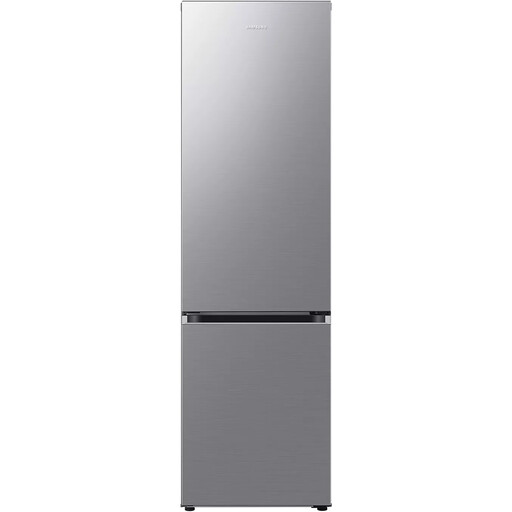 Image unavailable
Samsung RB38C603CS9, 390 L fridge freezer
Worth considering if you want one appliance for fresh shopping and frozen portions. Check the space available in each compartment.
Stated total capacity: 390 L. Stated energy class: C.
View on Joybuy
 Image unavailable
Bosch KGN33NLEB, 282 L fridge freezer
The freezer compartment at the bottom lets you store portions separately from fresh food. Compare the space in each compartment with what you buy.
Stated total capacity: 282 L. Stated energy class: E.
View on Joybuy
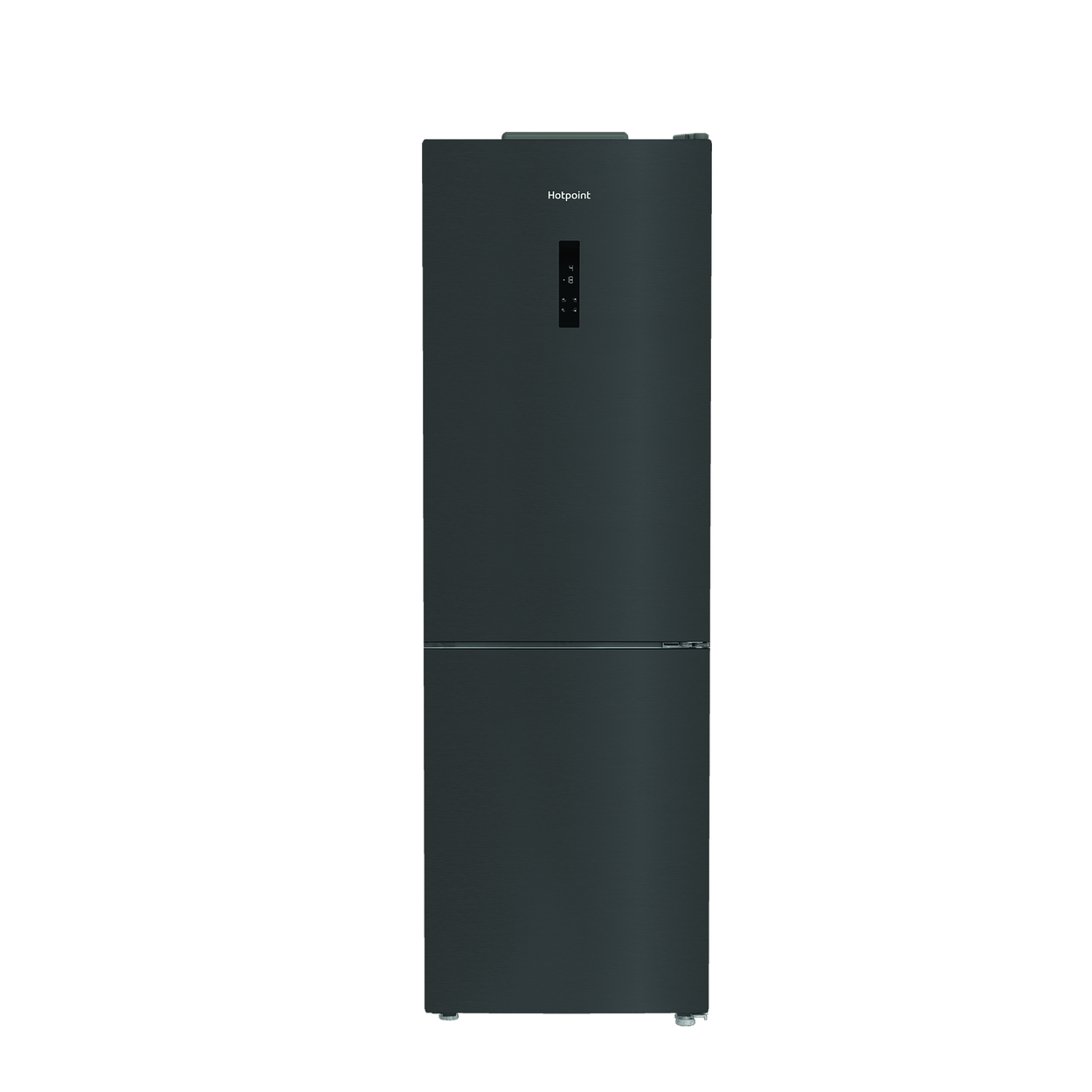 Image unavailable
Hotpoint HPK26363XBR5E, 316 L fridge freezer
Consider it if you want to keep meals chilled and some portions frozen in the same appliance. Check which way the door needs to open in your kitchen.
Stated total capacity: 316 L. Stated energy class: D. Double No Frost is included in the product name.
View on Joybuy
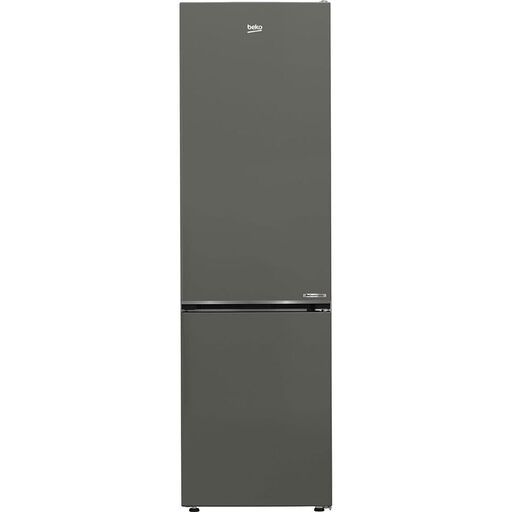 Image unavailable
Beko B5RCNE406HG, 355 L fridge freezer
Consider it if you want to keep fresh and frozen food in one appliance. Measure the available space carefully and check the internal layout.
Stated total capacity: 355 L. Stated energy class: C. The product name mentions Total No Frost.
View on Joybuy
 Image unavailable
Samsung RF50C530EB1, 495 L multi-door fridge
If you’re considering one large-capacity appliance for shopping and frozen portions, pay particular attention to its overall size and how the capacity is divided.
Stated total capacity: 495 L. Stated energy class: E.
View on Joybuy
Frequently asked questions
What capacity do you need if you cook several meals in advance?
Start with your shopping and the number of containers you need to store at once, then work out how many litres you need in the fridge and freezer separately. UFC-Que Choisir suggests 100 to 150 L for one person, plus 50 L for each additional person. Use this as a starting point and adjust it to how often you shop and how many portions you freeze.
Do you need a separate freezer for meal prep?
Not if the freezer compartment in a fridge freezer has enough room for the portions you want to freeze. France’s National Consumer Institute describes preparing several meals in one session; a separate appliance is mainly worth considering when your frozen food consistently takes up more space.
How do you compare the energy use of a fridge freezer with two separate appliances?
Compare the stated annual energy consumption in kWh for capacities that suit your needs. If you’re considering a fridge and a separate freezer, add together the stated kWh/year for both appliances. ADEME points out that cooling appliances run continuously; the energy class alone doesn’t replace comparing capacity and annual energy use.
Upright or chest freezer: which is best for prepared portions?
An upright freezer is a good choice if easy access to portions stored in drawers is your priority. A chest freezer can hold large quantities, but needs more floor space and a layout that makes it easy to find food. Check that there’s also enough clearance to open the lid, bearing in mind the differences between the formats described by UFC-Que Choisir.


