Households cooking for several days
Ingredients, ready-to-eat meals and portions to freeze all need different amounts of space. Compare the capacity of each section and think about how you’ll store your prepared meals.


If you mainly prepare fresh ingredients and only freeze a few portions, first check whether your fridge’s freezer compartment is big enough. A fridge-freezer is a good choice if you need more space for both fresh and frozen food. A separate freezer is more suitable if you’re happy with your current fridge but regularly run out of room for frozen portions. In every case, compare the capacity of each section separately, and check the available space and delivery route.
Ingredients, ready-to-eat meals and portions to freeze all need different amounts of space. Compare the capacity of each section and think about how you’ll store your prepared meals.
Kitchen width isn’t the only thing to consider. Check the depth, how the door opens and whether the packaged appliance can make it from the entrance to its intended spot.
If your fridge still meets your everyday needs, a separate freezer could hold your extra portions. You’ll need a suitable spot for it, and the installation conditions must be right for the model you choose.
Consider this if: fresh food takes up most of your space and you only freeze a few portions.
The drawback: check the freezer compartment’s capacity in litres before relying on it for several batches of meals.
Consider this if: you need more space for both fresh ingredients and frozen portions in one appliance.
The drawback: the split between the two sections varies by model. A suitable total capacity doesn’t guarantee enough freezer space.
Consider this if: your fridge has enough room for fresh food, but you regularly run out of freezer space.
The drawback: you’ll need room for a second appliance and should check the permitted ambient temperatures in its manual.
| Criterion | What to check | How it fits my needs |
|---|---|---|
| Capacity and storage | Compare the fridge and freezer capacities in litres separately, then check the model’s drawer and shelf layout. The European Commission says these capacities are shown on the energy label for the appliances concerned. | I want to find the week’s ingredients easily, without mixing prepared portions with other frozen food. |
| Space and delivery | Measure the height, width and depth, and check the door opening and clearances specified in the manual. Also measure doorways, corridors and lifts to make sure the packaged appliance will fit through, as recommended by Samsung France. | In a narrow kitchen, an appliance needs to fit through my home and open once it’s in place—not just fit in the space I’ve set aside for it. |
| Energy, noise and maintenance | For appliances of a similar type and capacity, compare the energy rating, annual consumption in kWh and noise emissions shown on the label, as recommended by the European Commission. Check the defrosting system on the exact model. | If my kitchen opens onto the living area, I’ll pay as much attention to noise as to the space available for my meals. |
| Managing your food stocks | Take stock of your fresh and frozen food before choosing a capacity. ADEME recommends checking what you have before shopping to avoid buying items you already own. | Before adding another appliance, I want to work out which portions are genuinely short of space and which foods I’ve simply forgotten about. |
Different splits between fridge and freezer space can affect how much room you have for portions, even when the total capacities look similar.
Estimate how many portions you’ll need to freeze between cooking sessions, then compare the freezer and fridge capacities separately.
An appliance may fit in its intended spot but still be too large to get through a doorway, corridor or lift when packaged.
Check the whole route, the dimensions needed for delivery and whether the door can open once the appliance is in place.
Permitted ambient temperatures and installation requirements vary by model. A feature advertised for one model doesn’t necessarily apply to an entire brand.
Read the manual for the exact model and check that its operating range is suitable for the temperatures in the room you have in mind.
A larger appliance won’t, on its own, help you keep track of the food you already have. ADEME recommends checking your stocks before shopping to avoid buying duplicates.
For a while, make a note of what goes unused and which portions genuinely don’t have enough room. You’ll then be able to decide whether to reorganise your storage or increase its capacity.
An example of a freestanding fridge-freezer to help you compare the capacity of each section, along with dimensions and noise levels.
A brand to consider if you’re planning to install a built-in fridge-freezer in a room that isn’t heated much.
An example of an upright freezer to compare with the space available for a second appliance.
A useful reminder not to compare fridge-freezers by their stated capacity alone.
These models combine refrigeration and freezing in one appliance. If you’re keeping your current fridge and simply need more room for frozen food, the criteria for choosing a separate freezer are different.
 Image unavailable
Worth considering if space is limited and you want to keep fresh food and frozen portions in one appliance. The title lists a width of 54 cm, a height of 176 cm and a Low Frost system. Check how much space is actually allocated to the freezer and the clearances needed for installation.
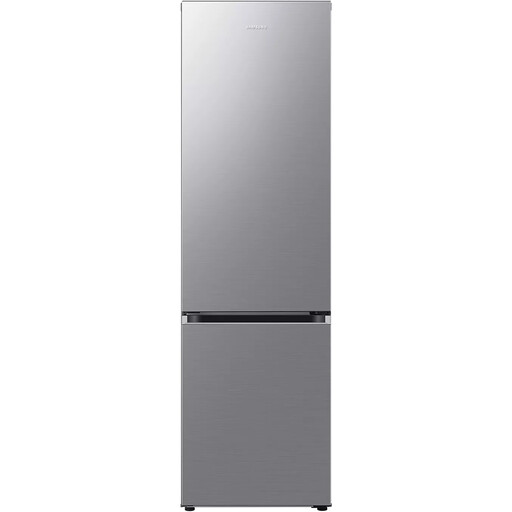 Image unavailable
Worth comparing if you need room for the week’s ingredients and frozen portions in one appliance. Check the capacity of each section, whether the packaged appliance will fit through and the clearances specified in the manual.
 Image unavailable
The three-door layout is worth considering if you want to keep ingredients and portions organised separately. The title mentions Total No Frost, Class E, Wi-Fi and My Zone. Also compare the capacity of each section and the space needed to open the doors.
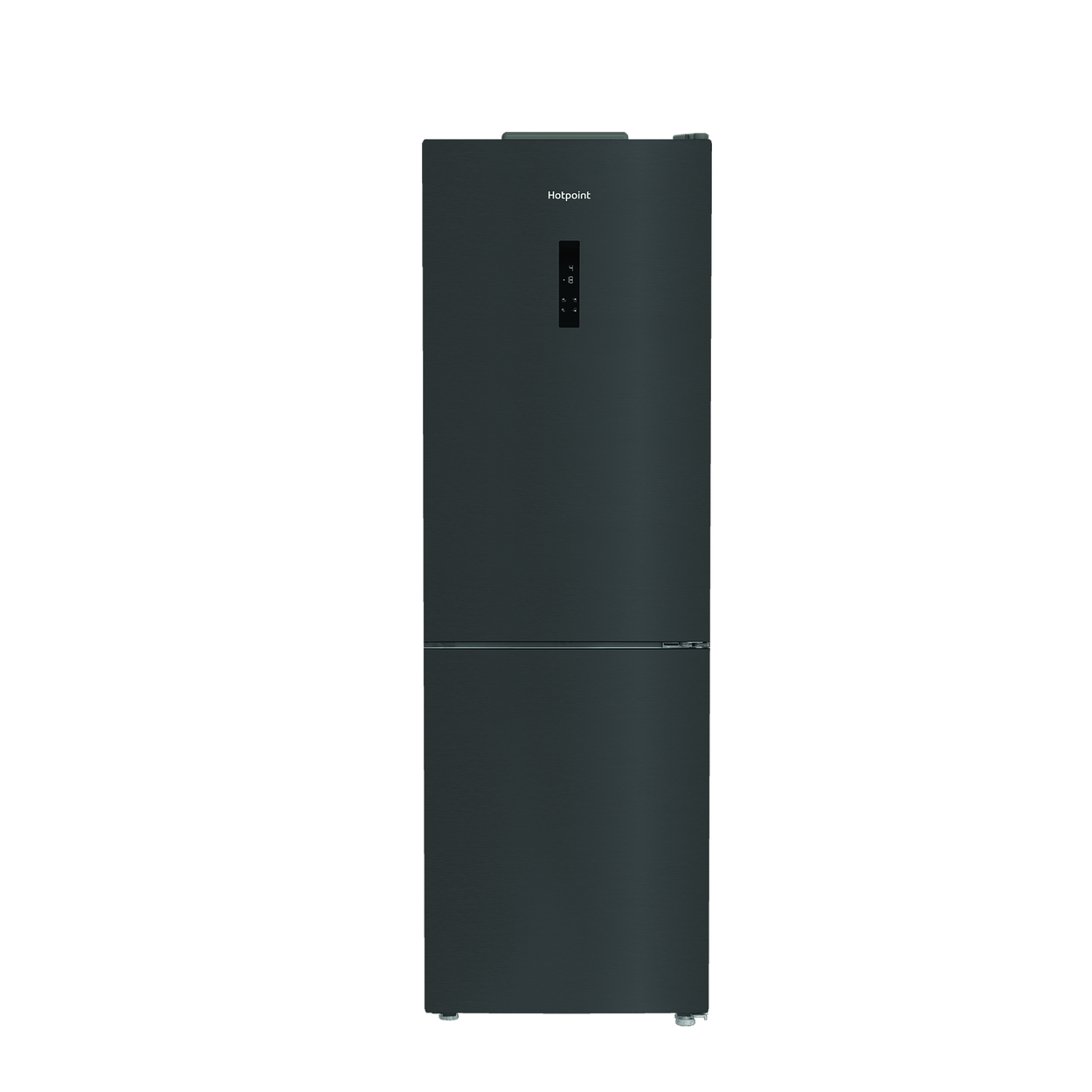 Image unavailable
This fridge-freezer is an option if you want to store fresh food and frozen portions in one appliance. The title lists Dual No Frost. If your kitchen opens onto the living area, check the model’s noise level as well as the separate capacities and delivery route.
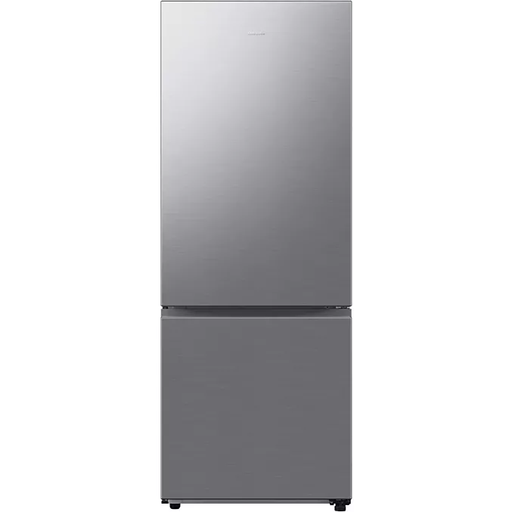 Image unavailable
Worth considering if you’re looking for a large-capacity fridge-freezer for fresh ingredients and portions to freeze. Check how the capacity is split between the two sections, where it will go and whether it will fit through on delivery. Before comparing its energy use, confirm the energy rating on the label for the exact model.
Check the fridge and freezer capacities separately: the total won’t tell you how much room is left for frozen portions. The European Commission says the labels on the appliances concerned show storage capacities, along with information about energy use and noise.
Choose a fridge-freezer if your current appliance doesn’t have enough room for both fresh food and frozen portions. If there’s already plenty of room for fresh food and only the freezer is overflowing, consider a separate appliance instead, as long as you have space to install it.
Measure the space where it will go, the clearance needed to open the door and the entire delivery route. Samsung France recommends checking doorways, corridors and lifts in particular to make sure the packaged appliance will fit through.
Only if the permitted ambient temperature range and installation conditions for that model are suitable for the garage. Beko says that some appliances with Freezer Guard can operate at temperatures as low as −5 °C, but this doesn’t apply to every model. Check the manual for the appliance you’re considering.