Households that prepare portions in advance
If you often store several portions, how easy they are to reach and organise can matter just as much as the stated capacity. Compare the drawers, door opening and defrosting type before you choose.


If you only need a little extra freezer space, start by comparing the freezer compartments in fridge freezers – you may be able to avoid buying a second appliance. For easy access to portions you use often, look at upright freezers with drawers. If you want to build up a larger stock, consider a chest freezer, bearing in mind how easy it is to reach the food inside. In every case, base your choice on what you actually store and check the space available: extra capacity is no substitute for keeping track of your food.
If you often store several portions, how easy they are to reach and organise can matter just as much as the stated capacity. Compare the drawers, door opening and defrosting type before you choose.
If you regularly store frozen food or large packs, compare the space available in your current appliance with what your shopping needs. UFC-Que Choisir recommends considering how often you shop and how much frozen food you eat when choosing a style.
Before adding another appliance, check the freezer capacity of a fridge freezer that suits your kitchen. Then weigh this option against how much food you want to freeze at once.
Consider this if: you need to fit a few extra portions and frozen foods without adding another appliance.
Bear in mind: freezer capacity depends on how space is divided between the two compartments, so compare models individually.
Consider this if: you want to organise portions and find them easily from the front.
Bear in mind: you’ll need to make room for a second appliance; drawers and defrosting type vary by model.
Consider this if: you want extra storage for a big shop or bulky items.
Bear in mind: the top-opening lid and deep storage mean you’ll need to think about how to reach your food.
Keep it if: you mainly forget about food, while the compartment is not regularly full.
Bear in mind: better organisation won’t add capacity if your shopping really does fill the compartment.
For households that prepare meals in advance or shop less often, the right choice depends first on what is limiting their storage today.
| Criteria | What to check | Who it matters to |
|---|---|---|
| Freezer capacity | List the food you need to store at the same time, then compare the net capacity of the compartments and appliances you’re considering. | When portions and big shops regularly fill my freezer, I first look for enough extra storage. Around 40% of consumers put this need for more capacity first. |
| Access and space | Measure the available space and room needed to open the appliance; check access to drawers or baskets. | If I often take out a portion, I want to find it without moving everything else, in the space I have available. Easy access and a practical layout are the priority for around 30% of consumers. |
| How much space you really need | Notice when your freezer is full and which foods get forgotten. ADEME recommends reviewing what you have in stock and what you buy to reduce food waste. | Before making room for more, I want to know whether the problem is forgotten food rather than an overcrowded compartment. Avoiding unnecessary capacity is the priority for around 20% of consumers. |
| Where it will be installed | For a cellar or garage, check the permitted ambient temperature range and the ventilation instructions for the model you choose. | If the appliance is going in a cool room, I need to choose a model suited to that location. Whether the space is suitable is the main concern for around 10% of consumers. |
Running out of space and failing to keep track of food call for different solutions. ADEME recommends looking at what you throw away and your shopping habits before deciding what to do.
Note when the compartment is genuinely full and which foods you forget about, then choose a capacity that suits how you use it.
A second appliance takes up space and uses electricity, even when the food inside goes uneaten.
The permitted ambient temperature depends on the model. Beko and Liebherr state that certain models can operate down to −15 °C, but this does not apply to all freezers.
Before ordering, compare the temperature range in the manual with the conditions in your room, and follow the manufacturer’s installation and ventilation instructions.
Deep storage works well for keeping a stock of food, but stacked boxes can be harder to find than in an upright freezer with drawers.
If you use portions often, compare the internal layout of both styles. If you choose a chest freezer, plan how to store food so it stays within easy reach.
According to Bosch Home Appliances, frost can build up in a freezer. Liebherr describes NoFrost as a way to avoid manual defrosting on equipped models; you should still follow the care instructions in the manual.
Check which technology is listed for the exact model and read its care instructions.
Whirlpool offers chest and upright freezers. Compare them based on the capacity you need and how easily you want to reach your food.
Liebherr’s range includes upright and chest freezers; the defrosting type and installation location can help you compare them.
Beko upright freezers differ in their cooling systems, opening styles and permitted ambient temperatures.
These Joybuy appliances let you compare fridge freezers, upright freezers and chest freezers for storing portions or food from a big shop. Before choosing a style, consider how much capacity you’ll use, how easy it is to reach the contents and any restrictions in the space where it will go.
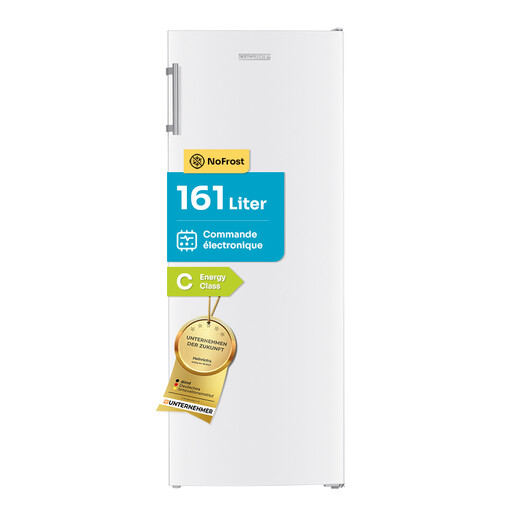 Image unavailable
Worth considering if you’d rather store portions in an upright freezer than stack them in a chest freezer.
Listed capacity: 161 L; the product name specifies No Frost and drawers. Check the dimensions and installation requirements for the space you have in mind.
 Image unavailable
Consider this for storing a larger supply of food, if you have enough space for a chest freezer with a top-opening lid.
The product name lists a 291 L capacity, a fridge-to-freezer convertible function and a removable basket. Check the dimensions, ventilation and ambient temperature range before installing it outside the kitchen.
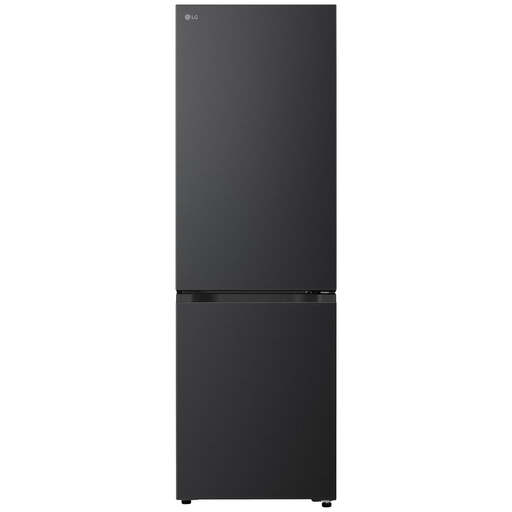 Image unavailable
Compare this if you want to keep chilled and frozen food in a single appliance.
The 333 L in the product name is the stated capacity of the whole fridge freezer, not just the freezer. Check how the capacity is divided between compartments, as well as the dimensions and clearance required.
 Image unavailable
Worth considering if you need extra freezer capacity but don’t want to go straight for a large chest freezer.
The product name lists a 140 L capacity, a storage basket and a counterbalanced lid. Check the space needed to open it, the defrosting type and the installation requirements.
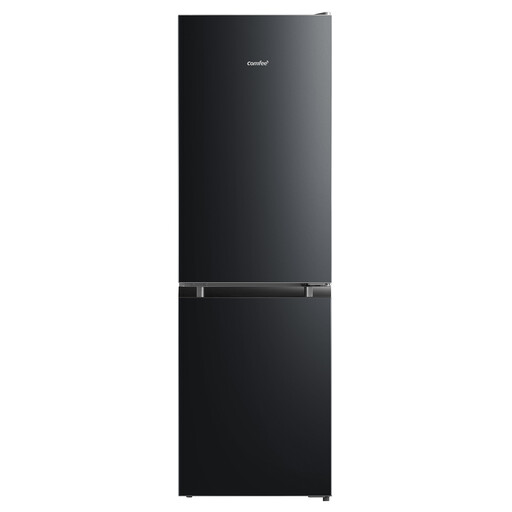 Image unavailable
Compare this if you only need a little extra freezer space and would prefer a single appliance.
The product name lists a 174 L capacity for the fridge freezer, a reversible door and Low Frost. Compare the freezer compartment’s capacity separately with the portions and shopping you need to store.
No, not if a fridge freezer compartment can hold all the portions and frozen food you store at once. If your current compartment is regularly full, compare an upright freezer for easy access to portions with a chest freezer for extra storage, taking the space available into account.
Yes, but only if the ambient temperature range specified for the model suits your garage and you can follow the installation instructions. Beko and Liebherr state that certain models are suitable down to −15 °C; always check the manual for the appliance you’re considering.
For models with this feature, manufacturers describe NoFrost as a technology that prevents the need for manual defrosting. Check that the model you choose includes this feature, and continue to follow its care instructions.
No. Extra capacity won’t, by itself, stop you forgetting about food or buying too much. ADEME recommends reviewing what you have in stock and what you throw away. If the compartment is also regularly full, you can then work out how much extra capacity you need.