What should you compare?
Start with what you actually keep chilled and frozen, then check that the type of appliance you choose can be installed and used in the room you have in mind.
| Feature | What to check | Depending on your needs |
|---|
| Capacity split |
Compare the capacity in litres of the fridge and freezer compartments separately, rather than looking only at the total capacity. Check how the drawers or baskets help you organise portions. |
I shop less often and need to be able to find my prepared meals without crowding the space for fresh food. |
| Freezer use |
For a freezer compartment, check the star rating, temperature and uses listed in the instructions. For a freezer used to store prepared portions, the Ministry of Agriculture recommends a setting of −18 °C. |
If I regularly freeze several meals, I need to check that the compartment is suitable; a small freezer compartment is not automatically a substitute for a freezer. |
| Style and access |
A fridge freezer combines chilled and frozen storage in one appliance. If you need extra capacity, compare the drawer access of an upright freezer with the top-opening design and internal layout of a chest freezer. |
I often reach for small portions, so separate compartments help me find them. For larger shops, I also need to be able to organise and retrieve food stored at the bottom of a chest freezer. |
| Installation |
Measure the height, width and depth, as well as the space needed to open the door or lid. Check the ventilation clearances and the model’s climate class, particularly if it will be kept outside the kitchen. |
My kitchen is narrow, or I plan to use a cellar or garage: the appliance needs to fit in the room and be suitable for its ambient temperature. |
| Energy use and maintenance |
Compare the kWh/year and stated capacities of similar types of appliance, along with their energy ratings. Check whether each model needs manual or automatic defrosting. |
I want to compare appliances that will run continuously, rather than choosing based on the energy rating letter alone. |
Which brands should you consider?
These examples illustrate styles and features to compare on specific models. They don’t necessarily represent an entire brand’s range.
Bosch
The freestanding KGN39AIAU fridge freezer is worth considering if you want chilled and frozen storage in one appliance.
- Bosch says the Total NoFrost system on this model means you don’t need to defrost the freezer manually.
- Check the capacity and installation requirements for the model you’re considering: the KGN39AIAU’s features aren’t available across every Bosch model.
Electrolux
The built-in KNT6ME18S4 is an option for a fitted kitchen where installation within the cabinetry is a key consideration.
- Electrolux lists TwinTech No Frost technology as a feature of this model.
- Check the cabinet dimensions and ventilation requirements for the model before choosing a built-in appliance.
Liebherr
The freestanding freezer range includes upright models to consider if you need extra space for frozen food.
- Liebherr distinguishes between NoFrost, which provides automatic defrosting, and SmartFrost, which it says needs defrosting less often.
- Check the technology, dimensions and climate class for the specific model you choose.
Whirlpool
The W3RHS37EW1 chest freezer is an example of an internal layout designed for extra storage.
- Whirlpool’s product information lists three baskets for separating bags, tubs and packs.
- If you’re thinking of keeping it in a garage, check the ambient temperature range and installation requirements for the exact model.
Appliances to compare on Joybuy
This selection includes fridge freezers that keep chilled and frozen food in one appliance, as well as a chest freezer for extra separate storage. Compare their capacities with the portions you usually prepare and the space you have available.
 Image unavailable
Candy CFQQ5T817EPS, 467 L four-door fridge freezer
Worth considering if your shopping and prepared portions call for a generous total capacity, but check how much space is actually available for chilled and frozen food. The model name indicates Total No Frost and an energy rating of E. Also measure the room needed to open the doors and allow for installation clearances.
View on Joybuy
 Image unavailable
CHiQ JR263LGE, 262 L fridge freezer, 54 cm wide
Its stated width of 54 cm is worth comparing with the space available in a narrow kitchen, and don’t forget to allow for the door to open. This 176 cm-high model is listed with Low Frost. If you plan to install it in an outbuilding, check the ambient temperature range in the instructions.
View on Joybuy
 Image unavailable
AUCMA, 291 L convertible chest freezer
This top-opening chest freezer is worth comparing with a separate appliance if you have enough floor space for your frozen food. Its name indicates fridge and freezer modes, an energy rating of E and a removable basket. Check the temperature ranges for each mode and the climate class before planning long-term storage or garage installation.
View on Joybuy
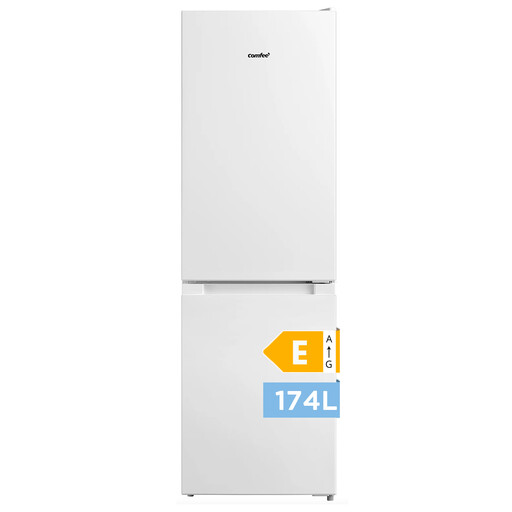 Image unavailable
Comfee' RCB169WH2(E), 174 L fridge freezer
At a stated height of 150 cm, this fridge freezer is worth considering if headroom is limited and you need two separate storage spaces. Its name specifies Low Frost, a four-star freezer and a reversible door. Check the capacity of each compartment, annual energy consumption and installation requirements before choosing it.
View on Joybuy
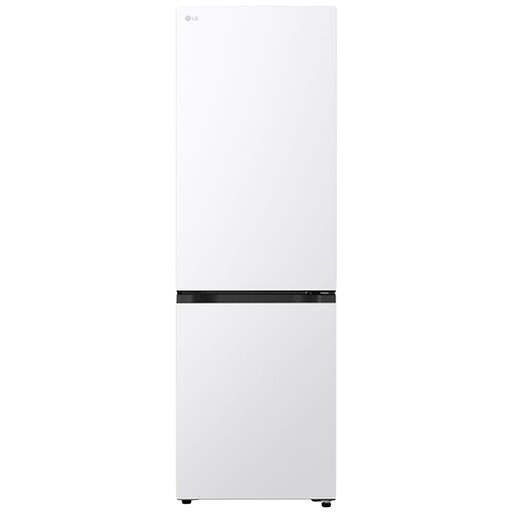 Image unavailable
LG GBBSJ1CCSW, 333 L fridge freezer
This energy rating C fridge freezer is another option for storing fresh shopping and frozen food in one appliance. NatureFRESH, DoorCooling+ and LinearCooling are technologies listed for this model, but the names alone don’t tell you whether it’s right for your meals. Before storing frozen portions in it long term, check the compartment temperature and follow the stated installation clearances.
View on Joybuy
Frequently asked questions
What temperature should the fridge and freezer be?
ANSES recommends keeping food between 0 and +4 °C at the coldest point in the fridge. For a freezer, the Ministry of Agriculture recommends a setting of −18 °C. Check the temperatures and follow the storage instructions on food packaging.
Is a freezer compartment enough for meals prepared in advance?
Don’t assume so: check the star rating, the temperature it reaches and the compartment’s intended use. If you plan to freeze and store portions, choose a suitable compartment and follow the Ministry of Agriculture’s recommendation to set the freezer to −18 °C.
How can you compare the energy use of two appliances?
Compare their declared annual energy consumption in kWh/year for appliances of a similar type and capacity, then check their energy ratings. The EU energy label and the European Commission’s EPREL database also let you check the declared capacities of the compartments.
Can you put a freezer in a garage or cellar?
Only if the ambient temperature range specified for the model suits the room and you can meet its installation requirements. ADEME recommends checking the climate class. Also check the ventilation and the space needed to open the door or lid.
What should you do with your old refrigeration appliance?
Find out about the take-back options offered when you buy your new appliance, or locate a collection point for waste electrical and electronic equipment. The French Ministry for the Ecological Transition points out that this equipment may contain components that are hazardous to the environment.


