
Livraison le jour même ou le lendemain

Qualité garantie

Débloquez vos offres de bienvenue: Livraison GRATUITE | Jusqu'à -80 % | 30 jours d'essai gratuits à JoyPlus
Téléchargez l'application
Prepping your meals in advance, or "meal prep," is a game-changing method for eating healthier, saving time, and controlling your budget. However, choosing the right containers is the key to success. Leaky boxes, degrading materials, or warped lids can quickly turn this excellent habit into a real chore.
As the Head of Product Recommendations at Joybuy, my mission is to help you cut through the noise. Let's forget the marketing jargon and focus on the practical aspects that make all the difference in your daily routine. Here's how to avoid common pitfalls and select THE perfect food storage container set for your needs.
The market is flooded with options, but not all are created equal. Beware of these empty promises that can turn your purchase into a regret.
To make an informed choice, you need to focus on a few key technical features. They are your guarantee of safety, convenience, and the longevity of your containers.
Each material has its own advantages and disadvantages. The choice will depend on your primary use case.
A leak-proof seal depends on two elements: the gasket and the locking mechanism. A removable silicone gasket is ideal, as it ensures a perfect seal while being easy to clean to prevent bacterial growth. Four-sided locking clip systems are far more reliable than simple press-on lids, especially for transporting saucy dishes.
Before any purchase, always check the pictograms indicating compatibility:
Rather than an endless list, here are options that cater to specific user profiles, based on the quality and convenience criteria we've just discussed.
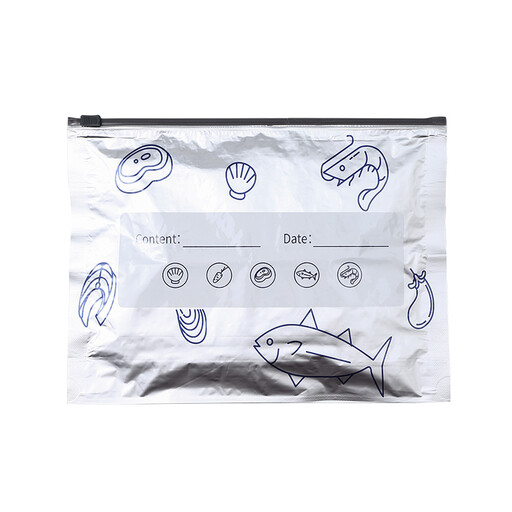
Why it's a perfect match: Ideal for those who prep and freeze in large quantities. These reusable bags optimize freezer space, unlike rigid containers. The writing area lets you note the contents and date—a crucial detail for proper inventory management.
Bypasses the "false versatility" trap. This product is specifically designed for freezing, with a composite material (PET/AL/PE) that blocks light to slow oxidation and a slider closure that perfectly seals in odours.
A significant space-saver that offers superior protection for frozen foods. Reusable and washable for a more sustainable approach than disposable bags.
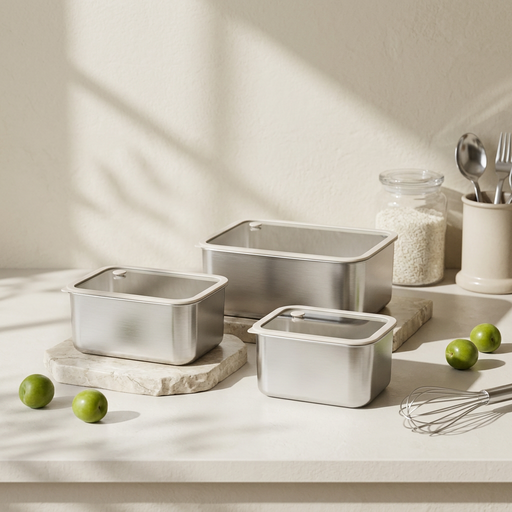
Why it's a perfect match: For those seeking durability and a lightweight design for their office lunches. The stainless steel is unbreakable and retains no odours. The glass lid lets you see the contents without opening it, and the silicone gasket ensures an excellent seal for transport.
Avoids the trap of degrading materials. The 304 stainless steel is resistant to corrosion and impacts. The borosilicate glass lid won't warp, and the EU-standard silicone gasket is built to last.
The combination of lightweight, durable stainless steel with the visibility of glass. The containers are stackable for optimized storage.
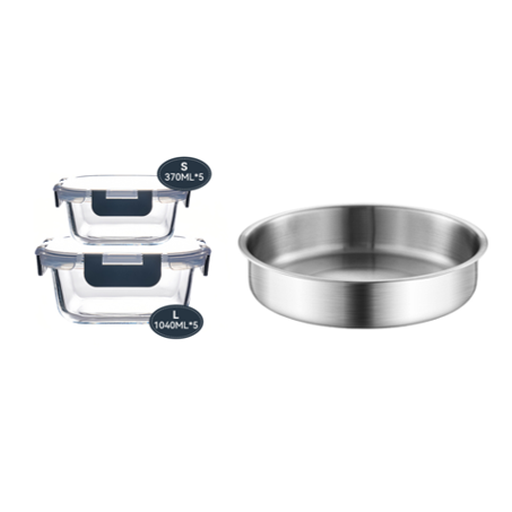
Why it's a perfect match: A complete and versatile solution for those who want to get started without any guesswork. The borosilicate glass allows you to cook, store, freeze, and reheat. The two different sizes (370 ml and 1040 ml) cover all needs, from snacks to full meals.
Avoids the disappointing seal trap thanks to a robust clip-lock system. The borosilicate glass prevents degradation (stains, odours) and ensures true versatility (oven, microwave, freezer).
A very comprehensive starter set that offers great flexibility. The glass material is a guarantee of food safety and durability.
We have curated a complete selection of products that meet our quality criteria and the strictest safety standards.
What is the lifespan of a food storage container set? The lifespan depends mainly on the material. A borosilicate glass or food-grade stainless steel container set can last for many years with minimal maintenance. Plastic models, even high-quality ones, will tend to wear, scratch, or stain after 1 to 3 years of heavy use, especially if they are frequently microwaved.
Are stainless steel containers really a good option compared to plastic? Absolutely, and for several reasons. Food-grade stainless steel containers are more durable, more hygienic (they don't retain odours or bacteria in scratches), and lighter than glass. They are ideal for transport and for storage in the refrigerator or freezer. Their only limitation is that they cannot be used in the microwave, which requires you to transfer the food to reheat it.
How can I prevent stubborn stains and odours in my containers? For plastic containers, rinse them with cold water immediately after use before washing with hot water. This helps prevent pigments (like those from tomato or curry) from setting. For stubborn odours, washing with white vinegar or leaving baking soda in the closed container overnight can work wonders. With glass and stainless steel, a simple run through the dishwasher or hand washing is usually enough to remove all traces and odours.