
当日/次日达

品质保障

开启新人专享福利: 全场免邮 | 低至 2 折 | 免费试用 30 天 JoyPlus 会员
下载 Joybuy
Dark circles, redness and pigmentation spots do not all require the same type of correction. Yet many people buy their Maybelline concealer based solely on a product photo or a coverage claim. The result can be a shade that is too light, a formula that settles into fine lines or an applicator that is inconvenient for everyday use.
The Maybelline Instant Anti-Age Eraser is available in several shades and colour-correcting options. Here are the key criteria to consider before ordering, the mistakes to avoid and the recommended options available on Joybuy.
Names such as Ivory, Sand, Honey or Caramel offer an initial indication, but they cannot replace assessing your actual skin tone. Screen brightness, your skin’s undertone and the shade of your foundation can all affect the final result.
To correct dark circles and fine lines, concealer should generally remain close to your natural skin tone, with only a limited difference in shade. A concealer that is too light can emphasise texture beneath the eyes, while one that is too dark may leave a visible line after blending.
Traditional shades are primarily designed to even out the complexion and conceal imperfections. Green and Orange correctors serve a different purpose: they are applied locally to visually neutralise specific tones.
A multi-purpose corrector should therefore not necessarily be applied in the same way—or in the same amount—to every area of the face.
Wear time depends on the amount applied, skin preparation, the foundation used and the conditions throughout the day. The Maybelline Instant Anti-Age Eraser product description promises a lightweight texture and naturally luminous finish, but the result may vary depending on your skin type and application technique.
For the under-eye area, choose a texture that blends easily without creating a thick layer. The product description details a lightweight formula containing glycerin, silicones and silica, among other ingredients. These components contribute to the formula’s smooth glide and the makeup’s more refined appearance, but they cannot guarantee the same result on every skin type.
The stated finish is naturally luminous. It is well suited to anyone who wants to avoid an overly matte look, but apply a light hand around the creases of the eye area.
The rotating sponge applicator allows you to apply the product directly to the skin. Gently twist the base until the formula reaches the applicator, then apply it in small dabs.
To avoid applying too much product:
The applicator makes application easier, but it does not replace good hygiene. This product is for external use only; avoid direct contact with the eyes and discontinue use if irritation occurs.
Each reference featured here contains 6.8 ml. The ingredient list includes goji berry extract, glycerin, peptides and the Haloxyl components mentioned in the product description. The brand associates these ingredients with an action intended to improve the appearance of dark circles and fine lines. This description reflects the manufacturer’s information and does not constitute a medical claim.
Before purchasing, check the expiry date, batch number and ingredient list on the packaging you receive, especially if you have reactive skin or known sensitivities.
The classic shades available include 00 Ivory, 04 Honey, 07 Sand, 10 Caramel, 121 Light Honey, 145 Olive Gold, 149 Bronze Foncé and 115 Golden Beige. Green and Orange are intended primarily for targeted colour correction.
Testing the shade along the jawline in natural light will always be more reliable than trying it on your hand. For the under-eye area, you may choose a shade slightly lighter than your foundation, provided it does not create an overly stark contrast.
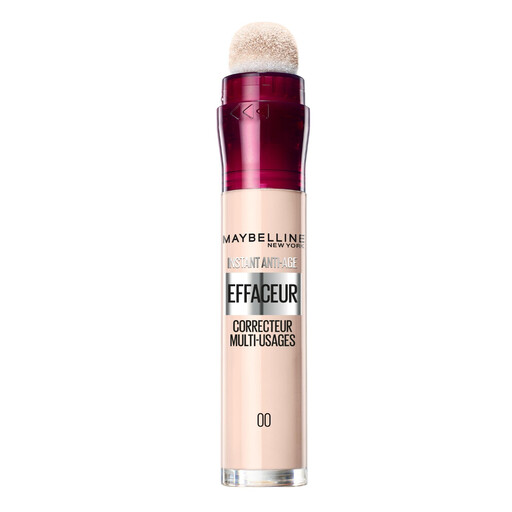
Why this option works: a light shade for anyone looking for a straightforward concealer that fits seamlessly into an everyday makeup routine.
Test the shade along the jawline and start with a thin layer to avoid an overly light appearance beneath the eyes.
A 6.8 ml format with a rotating sponge applicator for direct application.
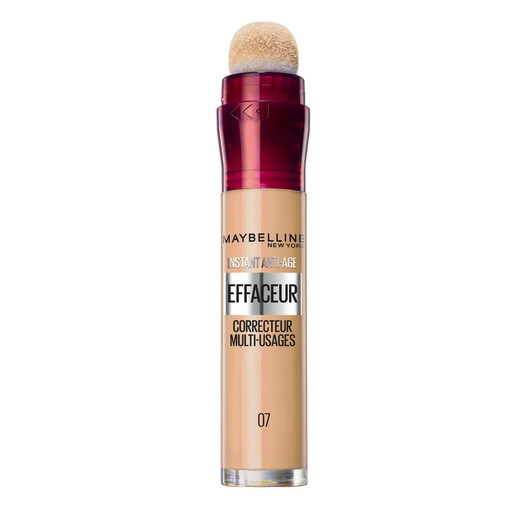
Why this option works: an in-between shade to consider for everyday makeup with a naturally luminous finish.
Avoid layering thick coats over fine lines: blend gradually and lightly set if necessary.
A texture described as lightweight and designed to blend seamlessly into the complexion.
Why this option works: for visually targeting localised redness before applying your usual concealer.
Apply Green in small dabs, then cover it with a shade close to your skin tone to prevent a greenish cast.
A shade designed for targeted correction, in the same 6.8 ml format.
On clean, moisturised skin, allow your skincare products to absorb before applying concealer. For dark circles, apply the product to the darkest area rather than across the entire under-eye contour. For redness and pigmentation spots, use a small amount of Green or Orange, then apply a classic shade over the top.
The Honey, Caramel, Bronze and Golden Beige shades can be compared with your usual complexion shade. Lighter colours such as Ivory and Sand require more careful consideration if your foundation is darker. The Orange reference is intended for targeted colour correction, not necessarily for uniform application across the entire face.
Its formula is described as containing smoothing peptides and as being capable of visually blurring fine lines. This is a cosmetic makeup effect detailed in the product description, not a skin treatment. To prevent the formula from settling, apply a thin layer and blend it promptly.
Check the expiry date and batch number shown on the packaging. Close the tube securely and store it in a cool, dry place away from sunlight. Stop using it if its smell, texture or colour changes.
No. Green and Orange are colour correctors intended for specific areas. You can layer them beneath a shade close to your complexion for a more even result. For a quick routine, a classic shade such as Ivory, Sand, Honey or Caramel will generally be easier to use on its own.