
Livraison le jour même ou le lendemain

Qualité garantie

Débloquez vos offres de bienvenue: Livraison GRATUITE | Jusqu'à -80 % | 30 jours d'essai gratuits à JoyPlus
Téléchargez l'application
A mattress topper can transform the feel of a bed that is too firm, smooth out minor irregularities in the surface or add extra softness to a relatively new mattress. However, not all models meet the same needs. Excessive thickness can alter your sleeping position, a cover that is difficult to care for can become a daily nuisance, and choosing the wrong filling may increase the sensation of heat.
Before placing your order, it is therefore better to compare the materials, dimensions, fastening system and care instructions rather than relying solely on marketing claims.
A soft mattress topper improves the initial feel of the bed, but it will not restore a badly sagging mattress or one that is unsuitable for your body shape. Memory foam generally offers a cradling feel, while duck feathers provide a plusher, softer surface. In both cases, the result largely depends on the condition of the mattress underneath.
On a bed that is still firm and stable, a thickness of 2.5 to 5 cm may be more than enough. A thicker model, such as an 8 cm topper, will change the feel of the bed more noticeably, so remember to check the bed’s overall height.
A mattress topper that slips away during the night quickly loses its appeal. Elastic straps at all four corners, central straps or a non-slip base can help keep it in place. Also check the maximum mattress height compatible with the fastenings.
The term hypoallergenic mattress topper does not mean that it never needs cleaning. You need to distinguish between the product’s core, which is generally not machine washable, and its removable cover. The presence of a zip, the washing temperature and the drying method are all practical details to check before buying.
For a gentle change, 2.5 cm adds a layer of comfort without raising the mattress excessively. Versions measuring 5 cm or more are better suited to people who want to significantly alter the feel of the bed. Product descriptions sometimes refer to an anti-pressure effect: this should be understood as a comfort feature, not a medical claim.
Side sleepers often appreciate a softer feel around the shoulders and hips. Those who sleep on their back or front may prefer a less enveloping layer to retain a more stable feel.
Measure the surface of the mattress, not the bed base. Common sizes include:
A topper that is too short will leave part of the mattress unprotected. If it is too wide, it may form folds at the sides. For couples, also consider motion isolation: depending on its design, a very soft model may transfer movement more easily.
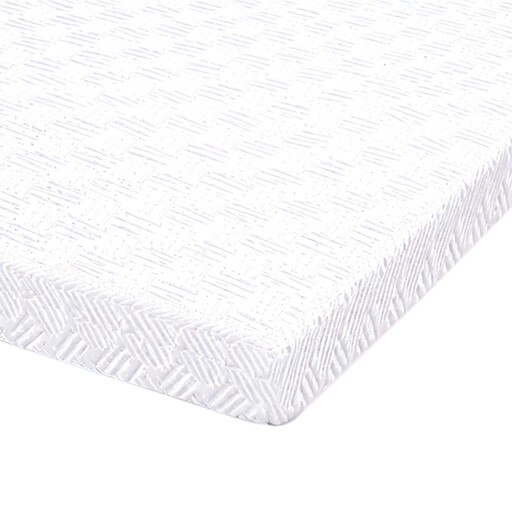
Why this choice suits this profile : Its size is suitable for a 135 × 200 cm bed, while its moderate thickness lets you try memory foam without significantly changing the height of the bed.
A 2.5 cm layer reduces the risk of ending up with a bed that is too high or too enveloping when your existing mattress is still in good condition.
Memory foam, 2.5 cm thickness and a hypoallergenic claim in the product description.
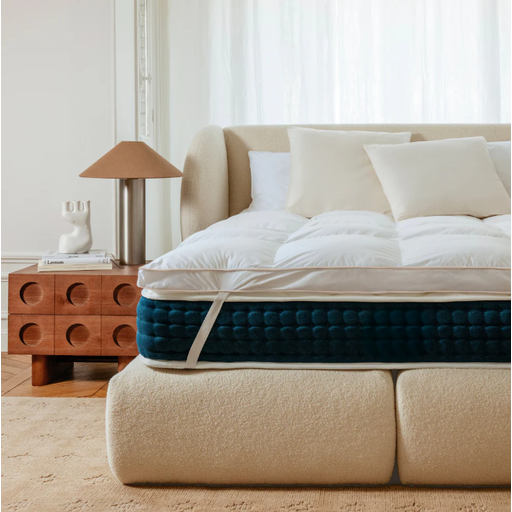
Why this choice suits this profile : Its soft filling and cotton cover are ideal for people looking for a plump, luxurious feel on a wide bed.
The square quilting and corner fastenings, together with a central tie, help distribute the filling and limit movement.
Duck feather filling, cotton cover, washing instructions allowing up to 40 °C and an at-home trial period mentioned by the manufacturer.
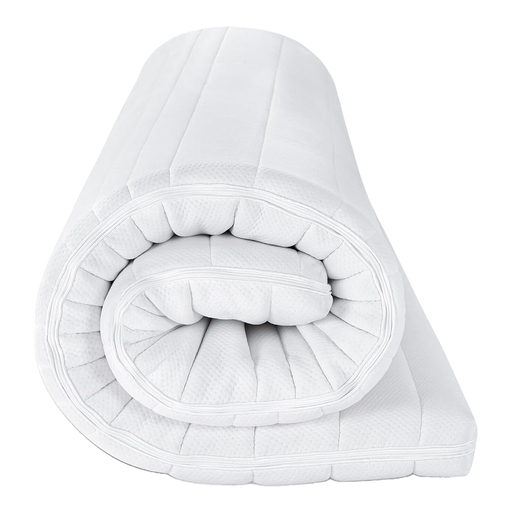
Why this choice suits this profile : This thick version is aimed at those who want to refresh the feel of a large bed or set up a spare sleeping arrangement, provided the mattress underneath is sufficiently stable.
The removable, machine-washable cover at 40 °C meets the need for regular care. However, the foam core must not be put in the washing machine.
8 cm thickness, zipped washable cover and materials presented as Oeko-Tex 100 certified in the product description.
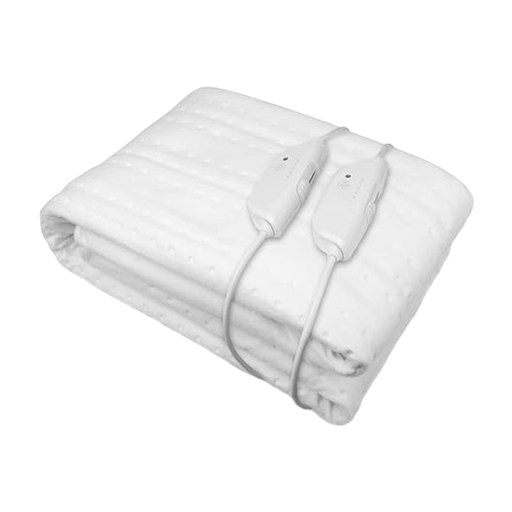
Why this choice suits this profile : It is designed for couples who want to adjust the temperature independently on each side of the bed, particularly on chilly nights.
Its two independent controls and automatic switch-off after 180 minutes make it easier to manage during use.
Approximate size of 150 × 160 cm, four temperature settings and overheating protection stated by the manufacturer.
We have put together a complete, real-time updated list of products that meet these demanding selection criteria and European safety standards.
A mattress topper improves the sleeping surface, but it cannot always rescue a mattress that has reached the end of its useful life. If it has a permanent dip, noticeable springs or significant sagging, replacing it will often be the more suitable option.
A hybrid memory foam mattress, combining foam and pocket springs, is another solution if you want to start again with a complete structure. The MORPHEA Jade model, for example, is available in 90 × 200 cm, with a stated thickness of 26 cm and a combination of memory foam and pocket springs. Check the available dimensions if you are also looking for a 140 × 190, 160 × 200 or 180 × 200 cm size.
Place it on a clean, dry mattress, align all four corners, then secure the elastic straps or fastenings. Next, add a deep enough fitted sheet to cover the entire setup. For compressed models, follow the airing and expansion time specified in the instructions.
It depends on its thickness, material, the weight it supports and how well it is maintained. Air it regularly, turn it when recommended in the instructions and watch for flattened areas developing. A washable cover makes everyday care easier, but it will not restore the shape of filling that has become permanently deformed.
Consumption varies according to the power rating, length of use and selected temperature setting. The Medisana HU 676 has a power rating of 2 × 100 W and four temperature settings. To limit its electricity consumption, use the timer or automatic switch-off function provided and always turn the appliance off after use.