
Livraison le jour même ou le lendemain

Qualité garantie

Débloquez vos offres de bienvenue: Livraison GRATUITE | Jusqu'à -80 % | 30 jours d'essai gratuits à JoyPlus
Téléchargez l'application
Even if you wash your sheets regularly, a mattress can collect dust, skin flakes, pet hair and other invisible particles. A mattress mite vacuum cleaner can be an effective addition to your usual vacuuming routine when caring for bedding, pillows or the sofa. The key is choosing a model that’s genuinely suited to upholstery.
Some marketing claims are best taken with a pinch of salt. A UV lamp alone won’t completely sanitise a mattress. Likewise, a high wattage doesn’t guarantee more effective suction. And a very compact model may have a small dust container, a short cable or a filter that’s tricky to clean.
Here are the features to consider before choosing a mattress vacuum cleaner.
Measured in watts, a vacuum cleaner’s power indicates the motor’s rated energy consumption, but it isn’t enough on its own to assess suction strength. If stated, the pressure rating in kPa gives you another useful point of comparison. For example, a vacuum rated at 15 kPa has a higher pressure rating than one rated at 12 kPa. In practice, performance also depends on the brush, how well sealed the appliance is and the design of its filtration system.
Use a UV lamp in accordance with the manufacturer’s instructions, keeping the appliance in contact with the fabric where required. It’s no substitute for washing your bedding, airing the room or cleaning regularly. Also check for a safety system that prevents direct exposure to the eyes or skin.
A clogged filter gradually reduces airflow and can cause particles to be released back into the room. Before buying, check the dust-container capacity, how easy it is to empty and whether replacement filters are available. A 300 to 650 ml container may be enough for targeted cleaning, but you’ll need to empty it more often if you’re cleaning several mattresses or a sofa.
A mite vacuum cleaner typically combines suction with a mechanical action, such as vibration, beating or a motorised brush. Beating helps loosen dust trapped in the fibres, while suction draws it into the dust container. If you’re buying a model for bedding, check the width of the head and make sure it stays in contact with the fabric without snagging.
A vacuum cleaner with a HEPA filter, such as the H.Koenig UMAT40, is designed to trap a significant proportion of the particles in the airflow, according to the manufacturer’s specifications. Having a filter doesn’t mean you can skip cleaning or replacing it as instructed. If you’re sensitive to dust, choose a model with a clearly explained filtration system.
A vacuum cleaner with a warm-air function can help dry the surface of fabrics. The ochama is stated to reach 65 °C, while the Lubluelu CM208 is rated at 55 °C. These figures describe how the appliance works; they don’t promise to eliminate all mites.
For regular use, weight, cable length and handling are just as important as power. A 4 to 5 metre cable means you won’t have to keep changing sockets. A cordless model can be handy on stairs, in the car or on smaller surfaces, but remember to factor in battery life and charging time.
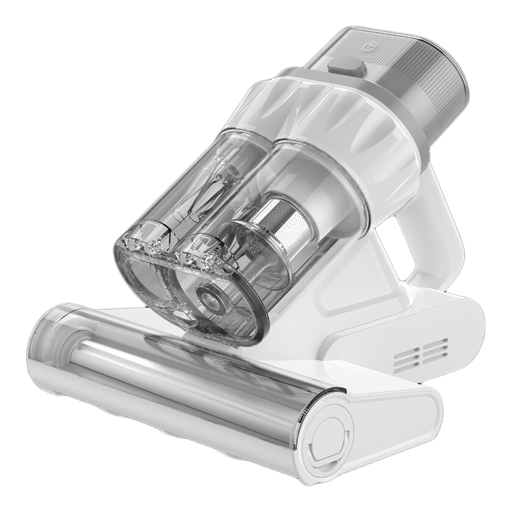
Why it suits this type of user: Its purpose-built design is ideal for occasional cleaning of a mattress, pillow or sofa, without the need to invest in a bulkier all-purpose appliance.
The specifications set out its 300 W power, stated 12 kPa suction, 300 ml dust container and 5 m cable, making it easier to compare with other models.
Stated separation of dust and mites, UV function and suction with warm air at 65 °C.
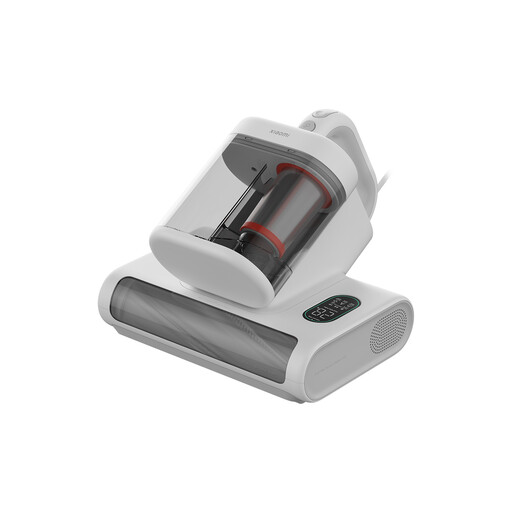
Why it suits this type of user: This model is for anyone looking for a specialist appliance from a well-known brand and keen to check the full product details before making a decision.
The product page lets you check which features are actually included, rather than relying on the ‘Pro’ name alone.
A Xiaomi appliance designed for cleaning mattresses and fabrics, with a version listed for the European market.
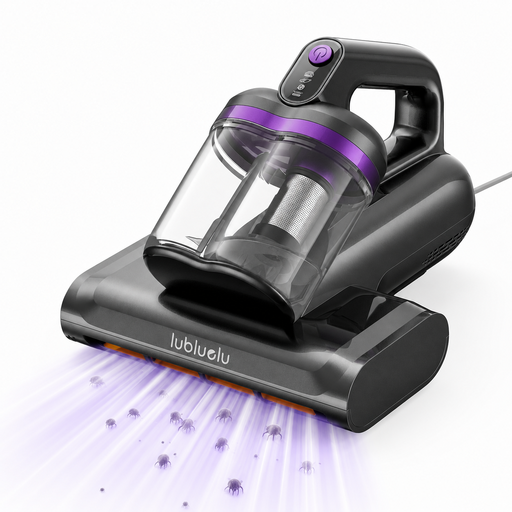
Why it suits this type of user: Its 650 ml dust container and stated 15 kPa suction make it a good fit for anyone who regularly cleans several fabric surfaces.
The figures cover suction, warm-air temperature, dust-container capacity, stated noise level and cable length.
Stated 15 kPa suction, 55 °C drying, UV function and a 650 ml dust container.
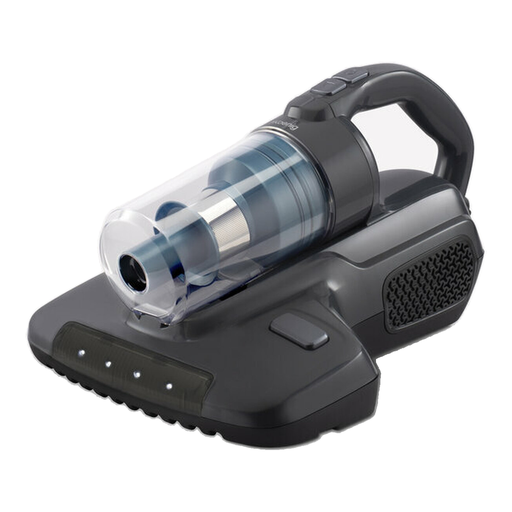
Why it suits this type of user: It’s a good choice for households looking to clean mattresses, pillows and sofas with detailed filtration, using a mains-powered appliance.
The product details list a HEPA filter, a stainless-steel filter, a beating function and a safety system for the UV lamp.
0.4 l dust container, 4.5 m cable, cyclonic suction and three stated functions: suction, UV and beating.
We’ve put together a comprehensive, regularly updated list of products that meet these strict selection criteria and European safety regulations.
Remove the sheets and make sure the fabric is completely dry, then slowly move the head across the entire surface. Pay particular attention to the seams and the areas that get the most use. Empty the dust container afterwards and maintain the filter as instructed in the manual. Never point the UV lamp at your eyes or skin.
Its lifespan depends on how often you use it, how well you maintain the filter, how regularly you clean the brush and whether spare parts are available. To help your appliance last longer, don’t let the dust container fill completely, and regularly remove any hair or fur wrapped around the head.
Energy consumption depends on the appliance’s power and how long you use it for. A 300 to 500 W mains-powered model used for a few minutes on each surface will generally use relatively little electricity. Cordless appliances, such as some handheld vacuum cleaners, need regular recharging instead. Check the technical specifications and choose the mode that best suits the level of dirt you’re dealing with.