
Livraison le jour même ou le lendemain

Qualité garantie

Débloquez vos offres de bienvenue: Livraison GRATUITE | Jusqu'à -80 % | 30 jours d'essai gratuits à JoyPlus
Téléchargez l'application
A mattress mite vacuum cleaner can complement your regular care routine for bedding, pillows, sofas and upholstery. It helps lift dust, debris, hair and other particles trapped in the fibres. However, not all marketing claims are equally reliable.
Before you buy, watch out for these three pitfalls:
A figure such as 12 kPa, 15 kPa or 20 kPa refers to the vacuum pressure stated by the manufacturer. It gives you a way to compare appliances, but the figures are only truly comparable when they’re measured under the same conditions.
When choosing a mattress vacuum, also check whether it has a beating or vibration function. This helps loosen embedded particles before they’re vacuumed up. On some models, the stated frequency can reach 72,000 movements per minute, as with the ochama vacuum featured below. This is a technical specification, not a guarantee that all allergens will be removed.
A head that stays firmly in contact with the fabric may be more effective for everyday use than one with high suction power that’s difficult to control. If you have pets, also check whether the appliance is suitable for pet hair and comes with attachments designed for upholstery.
A HEPA filter is worth considering if you want to reduce the amount of vacuumed-up dust that’s released back into the air. It must be maintained in line with the manufacturer’s instructions and replaced when worn. Some appliances combine HEPA filtration with a metal filter and cyclonic separation.
The dust container’s capacity determines how often you’ll need to empty it. A 300 ml container is enough for targeted cleaning, while a 650 ml model is more convenient for several mattresses or a large sofa. In either case, the container should be easy to remove, so you’re less likely to release dust back into the air when emptying it.
UV mite vacuum cleaners often come with a lamp fitted with a contact sensor. Avoid exposing your eyes or skin directly to UV light, and follow the instructions in the manual carefully. This function is no substitute for washing fabrics when they can be washed.
Hot air at 55 °C or 65 °C can help dry the surface after cleaning. This could be useful in a poorly ventilated bedroom, but always check that it’s suitable for your mattress materials and don’t leave the appliance in one spot.
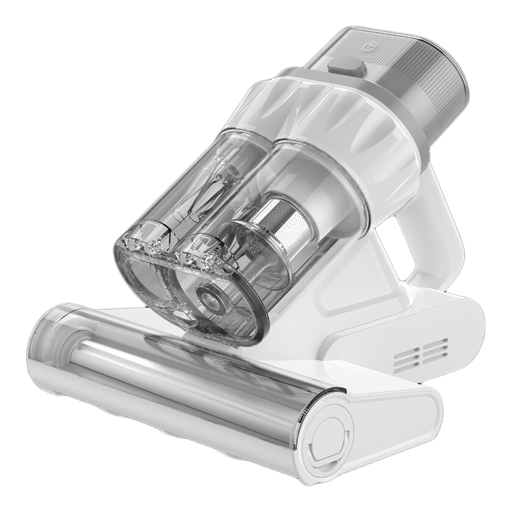
Why it suits this type of user: Its purpose-designed format is ideal for first-time use on a mattress, pillows or a sofa, without having to jump straight to a more complicated appliance.
The product details specify its 300 W power, 12 kPa suction, 300 ml dust container and 5 m cable, making it easier to compare before you buy.
Beating action rated at 72,000 movements per minute, UV function, hot air at 65 °C, and separate compartments for dust and mites.
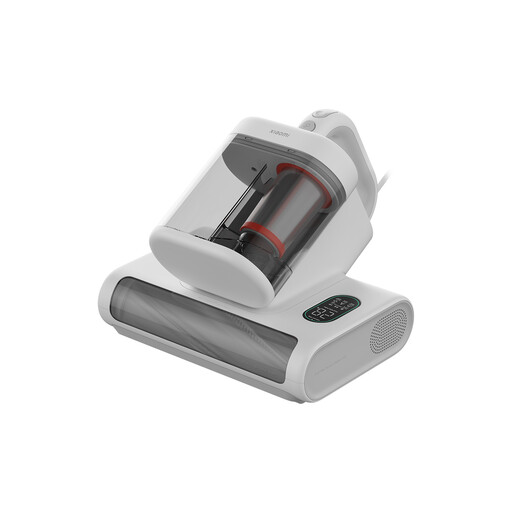
Why it suits this type of user: This model is aimed at shoppers looking for a trusted brand name for targeted bedding care.
Check the product details to see which functions and accessories are actually included before comparing its price with other specialist appliances.
European version listed as “Pro EU”, designed specifically to remove dust from bedding.
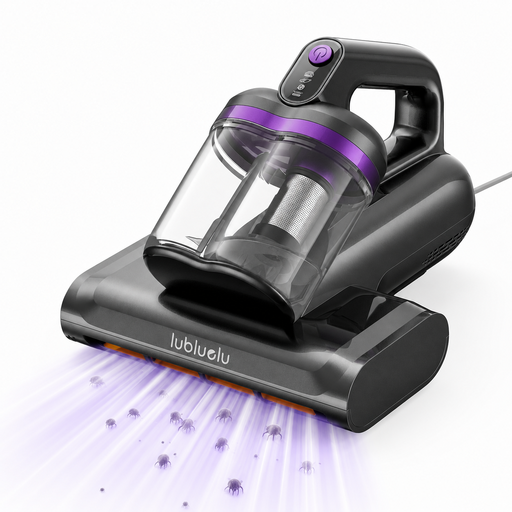
Why it suits this type of user: Its 650 ml capacity and hot-air output make it a good fit for households that regularly clean several fabric surfaces.
Its large dust container means fewer trips to empty it. However, use the stated 55 °C air temperature in accordance with the care instructions for your bedding.
Rated suction of 15 kPa, hot-air drying, a 650 ml dust container, 4 m cable and a stated noise level of 72 dB or less.
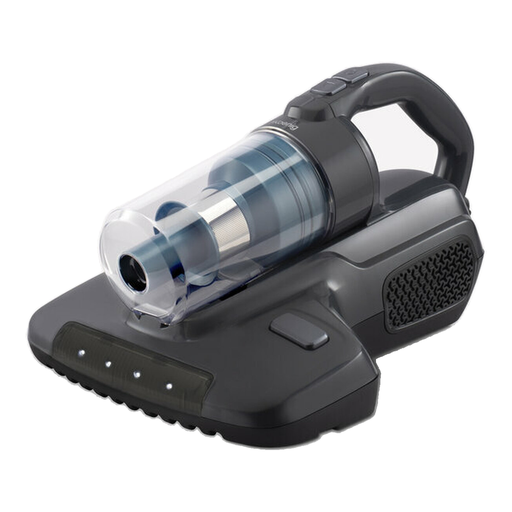
Why it suits this type of user: Suitable for mattresses, pillows and sofas, this corded fabric vacuum is a good choice if you want to clean several rooms.
The product details specify a beating function, HEPA and stainless steel filtration, and a 4.5 m cable, rather than relying on a general claim.
Cyclonic system, 0.4 l dust container, ergonomic handle and a UV lamp with a safety feature, according to the product description.
We’ve put together a comprehensive, regularly updated selection of products that meet these demanding criteria and European safety requirements.
Move the appliance slowly over a dry surface without pressing down too hard. On a mattress, work in strips to cover the whole surface. Avoid covers and fabrics that aren’t suitable for heat, and always check the manual before switching on the UV mode.
After each use:
No. It’s an additional appliance. Washing sheets, pillowcases and protectors, when this is permitted by their care labels, is still essential. A fabric vacuum is mainly for surfaces that are difficult to wash frequently, such as mattresses and sofas.
Ratings of 12 to 20 kPa give you a starting point, but they aren’t enough to compare two models. Also consider whether it has a beating system, the quality of the filtration, the shape of the head, the noise level and how easy it is to empty. For pet hair, a motorised attachment or a dedicated brush may be more useful than a higher stated suction rating.
Energy use depends on the appliance’s power and how long you use it. A 300 W appliance running for 15 minutes uses around 0.075 kWh, not accounting for any fluctuations during operation. To work out the cost, multiply this amount by the rate shown on your electricity bill. Cordless models do away with the cable, but you’ll need to recharge and maintain the battery.