
Livraison le jour même ou le lendemain

Qualité garantie

Débloquez vos offres de bienvenue: Livraison GRATUITE | Jusqu'à -80 % | 30 jours d'essai gratuits à JoyPlus
Téléchargez l'application
Skin that shines by midday, visible pores, persistent little imperfections… Finding the right facial skincare can quickly become a headache. A mattifying cream for oily skin needs to do several things at once: hydrate without suffocating the skin, reduce shine, and feel comfortable to wear day after day.
With all the marketing promises and lengthy ingredient lists, the choice isn’t always straightforward. Here are the most common mistakes to avoid, along with a selection of products suited to different profiles.
A very powdery texture can absorb sebum on application, but leave the skin feeling uncomfortable a few hours later. In response, your skin may even seem to produce even more sebum. It’s better to choose a non-comedogenic moisturiser with a texture that fits easily into your routine: gel, fluid or light cream.
A salicylic acid cream, an AHA treatment, or a formula combining AHA, BHA and PHA can all have their place in a targeted routine. However, using several exfoliating products at the same time increases the risk of redness, tightness and irritation. Introduce them gradually, especially if your skin is sensitive, and carefully avoid the eye area.
Results depend on your skin, how often you apply the product, and the other products you use. A brand that claims, for example, several hours of mattifying effect is basing this on a specific protocol – it doesn’t guarantee the same result for every user. Some figures mentioned on product pages come from an instrumental test or a clinical study. Always check the method used before comparing claims.
For a face cream for combination to oily skin, go for a fluid, gel-cream or mattifying gel texture that’s easy to spread and absorbs quickly. Formulas containing silica can help absorb excess sebum or visually blur shine. A non-sticky texture will also feel more comfortable under make-up or before heading out to work.
Combination skin may need a different amount on different areas: apply a thin layer to the T-zone and a slightly more generous amount to the cheeks if they tend to feel tight.
Take the time to check the INCI list and usage precautions. Denatured alcohol, fragrance or essential oils aren’t necessarily problematic, but these ingredients can be poorly tolerated by some skin types.
A mattifying SPF30 treatment can simplify your morning routine, but the level of protection depends on how much you apply and whether you reapply it. So it doesn’t necessarily replace a dedicated sunscreen during prolonged exposure. If your routine includes exfoliating acids, daily application of sun protection is especially recommended.
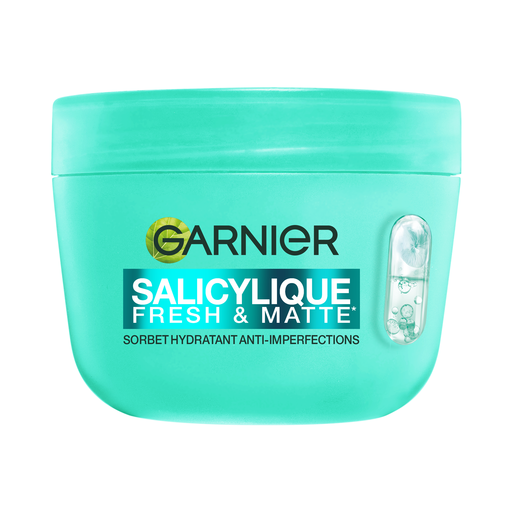
Why this choice suits this profile: Its light sorbet texture and generous 85 ml size make it a simple option for starting a routine dedicated to shiny or blemish-prone skin.
The formula combines niacinamide, salicylic acid and centella asiatica. If your skin reacts easily, start with spaced-out applications.
The texture is described as non-greasy and the formula contains 5% niacinamide, salicylic acid and centella asiatica, according to the product description.
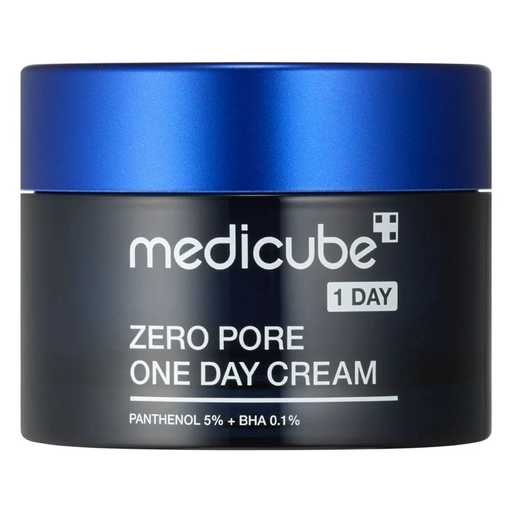
Why this choice suits this profile: This daily treatment is aimed at those who want hydration, comfort and attention to the appearance of pores all in one product.
Its texture, described as light, should avoid the overly rich feel. However, the presence of fragrance is worth checking if your skin is sensitive to it.
The formula combines niacinamide, salicylic acid, panthenol and several forms of hyaluronic acid.
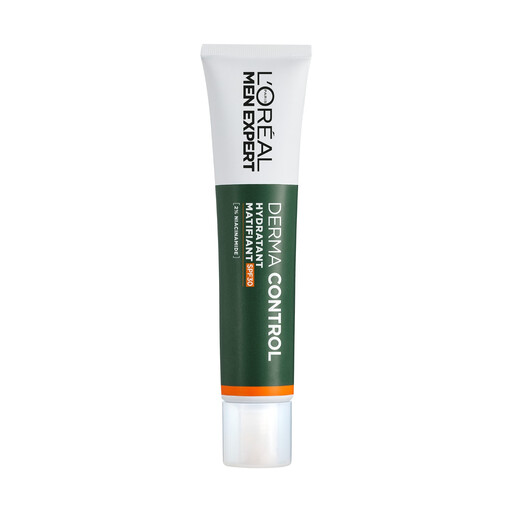
Why this choice suits this profile: With its built-in SPF30, it’s designed for those who want to keep their morning routine simple and reduce the number of steps.
It doesn’t rely solely on the mattifying effect: the formula combines hydration, silica, niacinamide and UV filters. However, make sure you apply enough to get the claimed protection.
The product has SPF30 and a light texture. The description also mentions 2% niacinamide.
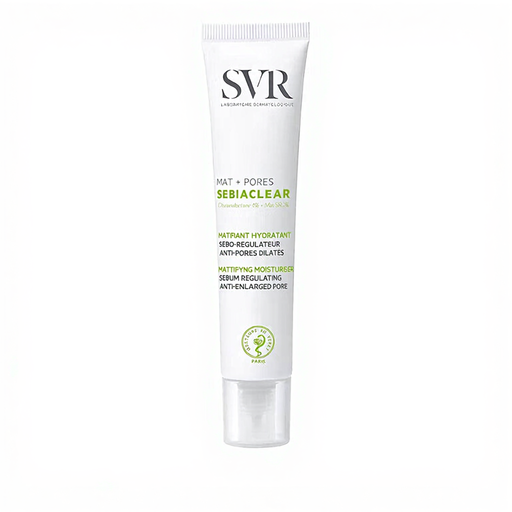
Why this choice suits this profile: Its 40 ml size and the option to use it morning and/or evening make it easy to fit into a well-structured routine, including under make-up.
The description clearly separates the mattifying effect from hydration and advises spacing out applications if irritation occurs.
The composition mentions niacinamide, gluconolactone, salicylic acid and silica.
We’ve compiled a complete, real-time updated selection of products that meet these demanding criteria while complying with European safety regulations.
Yes, as long as its formula contains humectant or soothing agents like glycerin, panthenol or hyaluronic acid. A matte finish doesn’t mean your skin is deprived of hydration. Apply a small amount, then adjust according to the needs of different areas of your face.
It depends on the formula and your skin’s sensitivity. To start, apply it once a day or every other day, without immediately combining it with several other exfoliants. If redness, persistent tingling or a feeling of discomfort appears, stop using it.
Refer to the expiry date and the symbol indicating how long to use it after opening, both of which are on the packaging. Close the pot or tube after each use and store it away from heat and light. If the smell, colour or texture changes, it’s best not to use the product any more.