Fans of plant-based lattes
You sweeten your latte to suit your taste and want to control the amount of matcha, rather than starting with a pre-mixed blend.


For a sweet breakfast where you want to control how much matcha you use, choose a powder whose ingredients list says 100% matcha. An instant blend makes your drink easier to prepare, but its oat or coconut base and matcha content will affect the result: the word “strong” alone isn’t enough to predict how a cup will taste.
You sweeten your latte to suit your taste and want to control the amount of matcha, rather than starting with a pre-mixed blend.
You’d rather have something quick to prepare, with a base and flavour already chosen, even if matcha is just one of the ingredients.
You’d like to try its flavour without opening a large pouch. Lidl and ALDI have offered 40 g packs of powder; check the size available when you buy.
Choose this if: you want to make your own drink or sweet recipe using powdered tea.
Bear in mind: you’ll need to mix the powder thoroughly, and a 100% matcha product won’t necessarily taste bold to everyone.
Choose this if: you’d like an oat or coconut base already included in your morning drink.
Bear in mind: you’ll have less control over the proportion of matcha and the other ingredients in your cup.
For a sweet breakfast, first decide whether you want to measure out pure powder or use a blend. Then check the serving size and ingredients of the product you choose.
| Factor | What to check | Who is it for? |
|---|---|---|
| Matcha dosage | The ingredients list and the recommended amount of powder per cup. | I want the matcha flavour to come through in my sweet latte, and I want to adjust the amount of powder. Around 31% of consumers also rank being able to control the dosage as their main priority. |
| Quick preparation | The blend’s base, its matcha content and the recommended amount of liquid. | In the morning, I’d rather have a ready-made blend than powder that needs whisking. Around 31% of consumers put ease of preparation ahead of other factors. |
| Added ingredients | The ingredients list and nutritional information, including sugars per serving. | If my breakfast is already sweet, I want to know what else is in my drink. Checking the ingredients is the top priority for around 23% of consumers. |
| Pouch size | The net weight and storage instructions after opening. | I’m new to matcha’s plant-based flavour and would rather start with a small amount I can use up. Pack size is the top priority for around 15% of consumers. |
The weight of a blend isn’t the same as the amount of matcha it contains. Product listings from Auchan and E.Leclerc state that Lipton Barista Matcha Original contains 6.2% matcha, while Aromandise Matcha coco contains 10%.
If you want to measure the tea separately from the other ingredients, check the ingredients list first and choose a powder labelled as 100% matcha.
These terms alone don’t let you compare the flavour intensity of two powders. The tasting notes on product listings don’t provide a shared scale.
Check the ingredients and dosage instructions. If you’re new to matcha, a small pack lets you try the flavour without opening a large pouch.
Matcha contains caffeine. Anses says its effects vary from person to person, and it can delay the time it takes to fall asleep or reduce sleep duration and quality.
Check the prepared serving size and factor in any other caffeinated drinks you consume.
Carrefour’s product listing for Jolivia matcha advises resealing the container and keeping the powder somewhere cool and away from light. It also notes that the colour changes quickly after opening.
Choose a pack size that suits how often you’ll use it, and follow the product’s storage instructions.
A pouch that gets little use after opening could go to waste.
Carrefour lists a 100 g organic powder labelled as 100% matcha, with a recommended serving of 2 g per cup.
Carrefour lists a 50 g Matcha Premium Bio, described as 100% organic powdered green matcha tea.
Carrefour lists a 300 g pouch containing organic powdered green matcha tea as its stated ingredient.
Auchan lists the Barista Matcha Original instant blend in sticks. Its product details state that it contains 93.5% instant oat powder and 6.2% matcha.
The E.Leclerc listing for Matcha coco describes an instant blend containing coconut milk powder, agave sugar and 10% matcha.
These powders are for anyone who wants to make their own base for a drink or sweet recipe. Their inclusion here doesn’t rank them by flavour intensity.
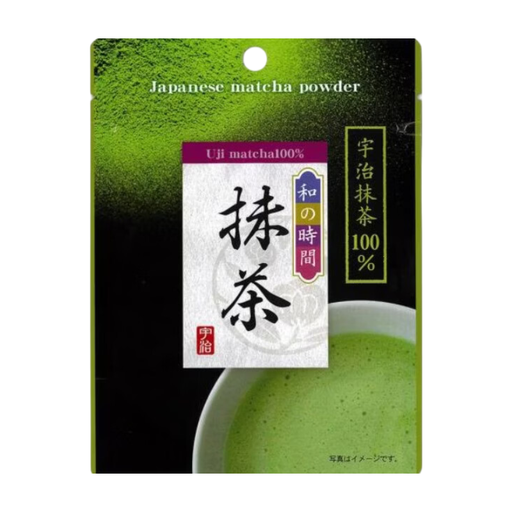 Image unavailable
For making a sweet drink while choosing how much powder to use. The title says 40 g, while the pack details mention five 40 g sachets. Check the quantity you’ll receive before buying. Remember to factor in the caffeine from the tea, too.
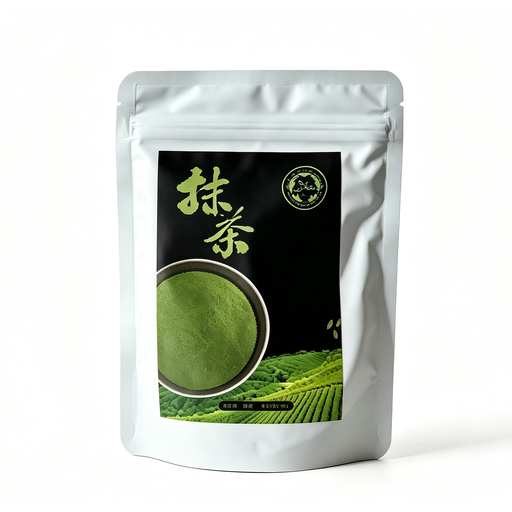 Image unavailable
For measuring powder into a latte, smoothie or sweet bake. Before making a cup, check the serving guidance on the pack and factor in your caffeine consumption.
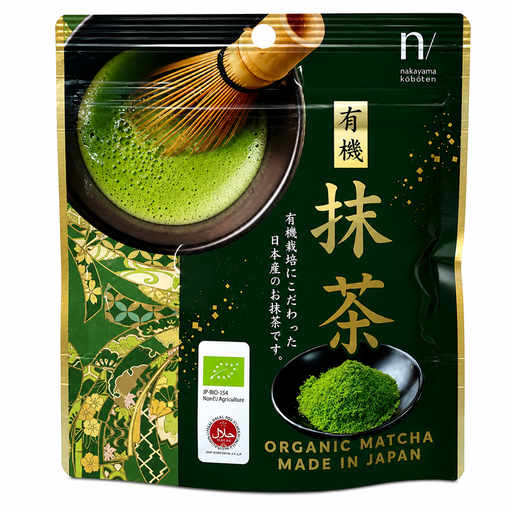 Image unavailable
For trying matcha powder in a small pack, in a latte or sweet recipe. Check the recommended serving on the pack; the name and pack size alone won’t tell you how intense it will taste.
No. On its own, the word doesn’t give you a shared basis for comparing the flavour of the products mentioned. If you want to control how much matcha goes into your sweet breakfast, check the ingredients list, then adjust the amount of powder and the rest of the recipe to suit your taste.
First, whisk the powder with water before adding the other ingredients to your recipe. The Jolivia listing recommends 2 g per cup; preparation instructions and serving sizes can vary by product.
Consider the amount of matcha in your prepared serving and any other sources of caffeine you consume. Anses points out that caffeine affects people differently and can disrupt sleep. If you have a health condition or take medication, ask a healthcare professional for advice.
Start with the ingredients list and the proportion of matcha, if stated. Then check the net weight, serving size and nutritional information, including sugars per serving. An instant blend may contain a base and other ingredients that you wouldn’t get from pure powder.