Who is each preparation for?

Latte lovers who want a pronounced tea flavour

If you add milk or use matcha in an afternoon snack, look for a powder whose product information mentions these uses. The SIPSTA and Clipper products featured by Carrefour are listed as suitable for lattes or indulgent recipes; check their ingredients too.

Those who drink matcha with water

If you’d like to taste matcha without milk or another dominant ingredient, compare powders described as suitable for drinking. Aromandise distinguishes this use from its culinary products, while Anatae describes different flavour profiles for its own products.

Those who prefer a simple preparation

A tea bag or instant preparation may be easier to use than a powder you need to mix, but it’s worth checking the ingredients carefully. For example, Carrefour’s product information for Pukka green tea lists a blend containing 2 % matcha.

What should you check before buying?

First, distinguish between pure powder, tea containing matcha and an instant preparation. If you’re buying a powder, choose one based on how you usually prepare it rather than a promise of intensity.

What to consider What to check Who it’s for
Flavour in a blend The ingredients list and whether the product is described as suitable for lattes or cooking; with 100 % matcha powder, you can control how much powder you add. In a latte or an afternoon snack made with other ingredients, I still want to taste the matcha. Around 42 % of consumers would prioritise this flavour in a blend.
Enjoying it with water Whether the product is described as suitable for drinking, along with the flavour notes given for the product you’ve chosen; start by following its preparation instructions. For a cup made with water, I want to choose based on the flavour of the powder itself, without masking it with milk. Around 33 % of consumers would have this priority.
Ease and ingredients The product name, its ingredients and, for a blend, the stated proportion of matcha. I prefer a quick preparation, but I don’t want to mistake a tea or a drink containing matcha for pure powder. Around 25 % of consumers would put this combination of convenience and transparency first.

Common mix-ups to avoid

  • Mistaking “matcha” tea for pure powder

    According to the product information published by Carrefour, Pukka green tea contains 2 % matcha, while the SIPSTA and Clipper powders are described as being made from 100 % matcha. They are different types of preparation.

    If you want to measure powder into a cup or recipe, check that the product is matcha powder and read its ingredients list.

  • Choosing based only on “strong” or “ceremonial”

    Product range names and flavour descriptions don’t provide a shared scale for comparing intensity across brands. For example, Aromandise separates products for drinking, cooking and instant preparation in its catalogue.

    First compare the product type and its ingredients, then check the preparation instructions and the flavour profile described for the product you’re interested in.

  • Trying an unfamiliar flavour in a large pack

    Carrefour lists, among other options, a 300 g Clipper pouch and a 55 g Carrefour Bio jar. How much to buy depends on how often you plan to prepare matcha.

    If you’re trying it for the first time, choose an amount that suits how you plan to use it and follow the storage instructions for the product you buy.

Brands to consider for different uses

Carrefour Bio

A 55 g jar to consider if you’d like to try a powder with clearly listed ingredients.

  • Carrefour’s product information lists 100 % green matcha tea from organic farming.
  • It doesn’t provide a measure that would allow you to compare its flavour intensity with other powders.

SIPSTA

A 50 g powder described as suitable for drinking, lattes and baking.

  • The product information published by Carrefour lists 100 % organic green matcha tea.
  • The “vegetal intensity” mentioned in the product information doesn’t make it possible to objectively compare its bitterness with that of another product.

Clipper

A 300 g pouch of powder that Carrefour describes as suitable for hot or cold drinks, including lattes.

  • The product information lists organic green matcha tea powder as an ingredient.
  • Before choosing this size, check that it suits how often you’ll use it and that you can follow the storage instructions.

Aromandise

The brand separates powders for drinking, culinary matcha and instant preparations in its catalogue.

  • This distinction makes it easier to identify products described as suitable for a cup made with water, a latte or a recipe.
  • These categories describe the uses stated by the brand, not flavour intensity measured on a shared scale.

Anatae

The brand offers several Japanese organic matcha products with distinct flavour profiles.

  • Its descriptions distinguish, in particular, its ceremonial and original products by their flavour notes and stated bitterness.
  • These descriptions come from the brand, so compare each product based on how you plan to prepare it.

A matcha powder on Joybuy

This powder may appeal if you alternate between a cup of matcha and baking for an afternoon snack. If you’re looking for a powder explicitly listed as 100 % matcha or a “strong” flavour profile, check these details on the product page before choosing.
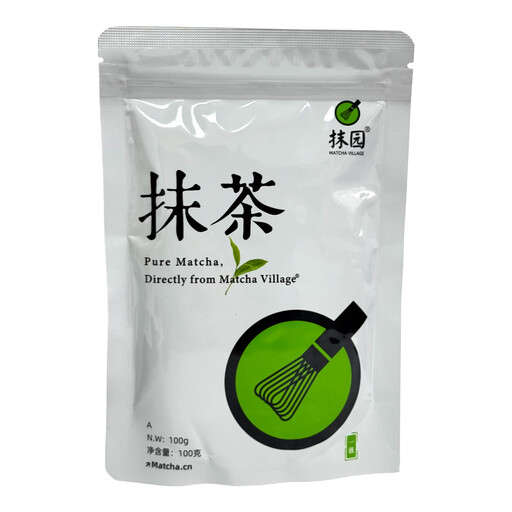
Matcha Village Matcha Powder, 100 g

Matcha Village Matcha Powder, 100 g

Worth considering if you’d like to use matcha in drinks and in baking for an afternoon snack.

Size: 100 g. If you’re looking for a powder explicitly listed as 100 % matcha, check its ingredients before buying; the word “strong” alone doesn’t establish its flavour intensity either.

The product information says to keep the product sealed and store it between 0 and 10 °C, away from light.

View on Joybuy

Frequently asked questions

Does the word “strong” guarantee a very bold matcha?

No. Check the product type, its ingredients and its stated use rather than relying on that word alone. According to the product information published by Carrefour, a SIPSTA or Clipper powder listed as 100 % matcha is not the same type of preparation as Pukka tea containing 2 % matcha.

How much should I start with for a cup made with water?

Start with the instructions for your product. For the 110 Graines product listed by Auchan, the product information recommends around 2 to 4 g of powder in 50 ml of water at 70 °C. These instructions apply to this product and aren’t a rule for all matcha.

How should I store matcha powder after opening?

Follow the instructions for the product you’ve bought. Auchan’s product information for 110 Graines matcha recommends keeping it away from heat, light and moisture; check the guidance on your packaging.

What should I look for on the label of prepacked matcha?

Check the product name, ingredients, net quantity and stated date first; this information helps you distinguish pure powder from a blend. The DGCCRF lists these among the labelling details required for prepacked food sold in France, so don’t rely solely on the word “matcha” on the front of the pack.

Does caffeine matter if I have a cup in the afternoon?

Yes. Take matcha into account along with any other caffeinated drinks you consume. The European Food Safety Authority considers caffeine exposure from all sources; when choosing how to prepare your matcha, consider how much powder you use and the information available for the product in question.