What should you look for?
First, choose between powder you measure out yourself, an instant mix and a ready-to-drink beverage. Then check the ingredients and serving size: the name “matcha” doesn’t tell you everything about a product’s contents.
Matcha powder only
Worth considering: if you want to choose the amount of powder and water yourself; Carrefour’s product listing for SIPSTA powder states that it is 100% organic green tea matcha.
Bear in mind: careful mixing is needed, and being able to adjust the strength of the taste doesn’t tell you how much caffeine it contains.
Instant matcha-oat mix
Worth considering: if speed matters more to you than being able to measure out the matcha freely; according to Auchan, Lipton’s mix contains 93.5% instant oat powder and 6.2% matcha.
Bear in mind: the recipe is fixed, so this format isn’t the same choice as a powder made from matcha alone.
Ready-to-drink matcha
Worth considering: if you want a drink that requires no preparation; Auchan’s product listing for the Oatly drink states that it contains 4.5 g of sugars per 100 ml.
Bear in mind: the recipe is already set, and the per-100 ml figures need to be considered in relation to the amount you actually drink.
| Criteria |
What to check |
Who is it for? |
| Ingredients and carbohydrates |
Read the ingredient list, then check the carbohydrate and sugar content per 100 g or 100 ml and for your portion. |
When I compare a powder and a drink for my shopping, I want to know what’s actually in my cup before choosing one for its taste. Around 50% of consumers are said to prioritise ingredients and carbohydrates. |
| Adjustable strength |
Check the product’s preparation instructions and whether you can change the amount of powder or water. |
For a stronger-tasting cup, I’d rather adjust how I make it than rely on the word “strong”; this flexibility is said to be the top priority for around 30% of consumers. |
| Caffeine |
Look for the caffeine content given for the product and relate it to the portion you drink, taking your other sources of caffeine into account. |
If caffeine affects my sleep, I need to consider how much I’m drinking even when I like the taste. Caffeine is said to take precedence over other criteria for around 20% of consumers. |
Powders and formats available on Joybuy
These Joybuy products are powders or sachets to prepare. They’re worth considering if you’d rather make your own drink than buy a ready-to-drink one. Their names and formats alone aren’t enough to tell you which will taste the strongest.
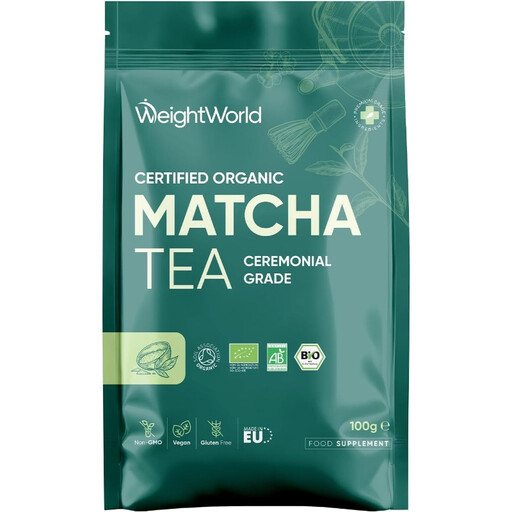 Image unavailable
WeightWorld Certified Organic Ceremonial Matcha Tea, 100 g powder
Worth considering if you’d like to prepare and measure out your own powder rather than use a pre-mixed drink. Check the packaging for the nutritional information and caffeine details that matter to you.
View on Joybuy
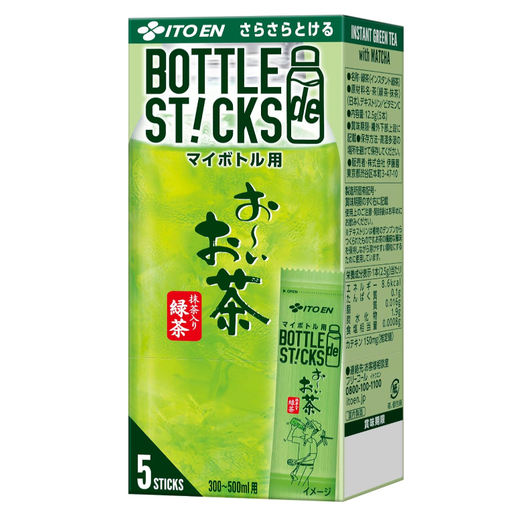 Image unavailable
Itoen Matcha Green Tea Powder, 5 sticks, 12,5 g
The stick format is handy if you prefer individually portioned amounts. If you’re looking for powder made from matcha only, read the ingredient list for this mix and check the nutritional information for the amount you use.
View on Joybuy
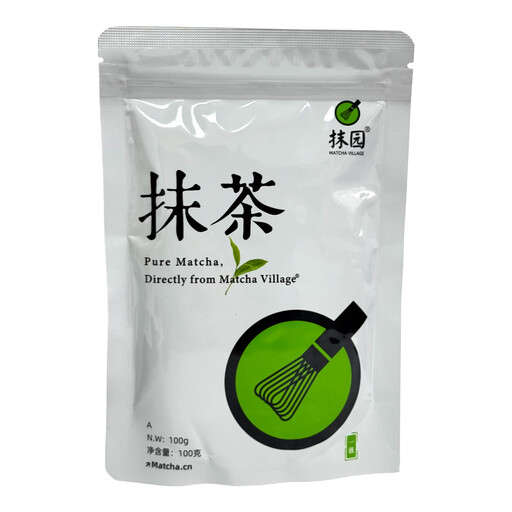 Image unavailable
Matcha Village Matcha Powder, 100 g
This powder is worth considering if you want to make your own drink. If a single-ingredient recipe is important to you, confirm the ingredients on the packaging. Also work out the nutritional information for the portion you prepare.
View on Joybuy
Frequently asked questions
How can I check what’s in a matcha product?
Start with the ingredient list, then check the carbohydrate and sugar content in the nutritional information. To compare different formats, look at the figures per 100 g or 100 ml and work out the amount for your portion. France’s national health insurance service (Assurance Maladie) recommends checking food labels when shopping with diabetes in mind.
Does “no added sugars” mean “100% matcha”?
No: this statement doesn’t guarantee a recipe made from matcha alone. The Lipton mix listed by Auchan contains 93.5% instant oat powder and 6.2% matcha. Check its ingredient list and nutritional information for the way you plan to use it.
How can I make stronger-tasting matcha without adding sugar?
If you’re using powder you measure out yourself, start by following the product’s instructions, then adjust the preparation to taste. For its 110 GRAINES powder, Auchan recommends around 2 to 4 g in 50 ml of water at 70 °C. This guidance doesn’t apply to other matcha products or determine their caffeine content.
Should I consider the caffeine in matcha?
Yes, particularly if you’re sensitive to caffeine or it affects your sleep. Anses says that its effects vary from person to person. Check the caffeine content if it’s stated, and ask a healthcare professional for advice if your health or medication means you need to take particular care.
Can matcha replace diabetes treatment?
No: choosing matcha doesn’t replace prescribed treatment. France’s national health insurance service (Assurance Maladie) considers diet part of diabetes care tailored to the individual. Talk to your healthcare team about any questions you have about your diet or treatment.


