Fans of ready-to-serve portions
If you often serve tea alongside coffee and a sweet treat, tea bags save you measuring out powder. However, check whether the 80 tea bags come in one box or are split across several boxes.


If you regularly serve tea alongside coffee and a sweet treat, tea bags save you having to measure out powder. Coffee-Webstore describes the Pukka pack of 80 as four boxes of 20, rather than one large box. If matcha is to be the main ingredient in a latte or a bake, look for a powder whose ingredients list says 100% matcha; the Pukka tea described by Carrefour contains 2% matcha in a green tea blend. The trade-off with powder is that you’ll need to measure and prepare it each time.
If you often serve tea alongside coffee and a sweet treat, tea bags save you measuring out powder. However, check whether the 80 tea bags come in one box or are split across several boxes.
If matcha is to be the main ingredient in your recipe, compare the ingredients list of powders with that of green tea blends in tea bags.
Before stocking up, check the matcha content, pack size, and preparation and storage instructions. Check the allergen information on the product you choose.
Choose this if: you want to serve individual portions of tea without measuring out powder.
Bear in mind: the Pukka pack of 80 listed by Coffee-Webstore is a green tea blend containing 2% matcha, not pure matcha powder.
Choose this if: you want to measure out matcha for a milky drink or a bake.
Bear in mind: you’ll need to measure and mix the powder; a pack sold by weight doesn’t provide 80 individually wrapped portions.
| What to consider | What to check | Who is it for? |
|---|---|---|
| Ready-to-use portions | Count the tea bags in each box and in the whole pack: the Pukka offer listed by Coffee-Webstore contains 4 boxes of 20 tea bags. | When I often serve tea with coffee and a sweet treat, I want pre-portioned tea bags so I don’t have to measure each time. Around 45% of consumers would put this need first. |
| Ingredients | Read the ingredients list and check the matcha content: Carrefour says the SIPSTA powder is 100% matcha green tea, compared with 2% matcha in the Pukka blend. | For a latte or a bake, I want to know whether matcha is the main ingredient rather than a small part of a blend. Around 33% of consumers would prioritise this. |
| Preparation | Compare the instructions for the product you choose; Kusmi Tea says to mix its powder with water at 80 °C, then adjust with water or milk. | Depending on the dessert I’m serving, I like being able to adapt my drink, while keeping the preparation time in mind. Nearly 22% of consumers would put this consideration first. |
The Pukka tea described by Carrefour contains 2% matcha in a green tea blend; Carrefour describes the SIPSTA powder as made from 100% organic matcha green tea. These products are therefore suited to different ways of preparing matcha.
If you’re looking for powder for a latte or a bake, check the ingredients list rather than relying on the product name alone.
The Pukka pack listed by Coffee-Webstore contains four boxes of 20 tea bags. This matters if you want to store the boxes or keep them in different places.
Read the pack details and check that the total number of tea bags is what you’re looking for.
A product may still appear in the catalogue even when it can’t be ordered from your chosen store or using your chosen collection option.
Check availability at your store or in your delivery area before completing your order.
Anses notes that tea naturally contains caffeine, which can delay falling asleep and reduce the length and quality of sleep. Sensitivity varies from person to person.
If you’re sensitive to caffeine, consider what time you drink it and how often, as well as any other caffeinated drinks you have.
A well-known choice for matcha green tea in tea bags, brewed as an infusion.
A powder to consider if you want to measure out matcha for a drink or recipe.
Organic Japanese matcha powder to prepare with water or milk, following the brand’s instructions.
These two 100 g powders are for making drinks or desserts, with the amount measured out by you. If you regularly serve coffee with a sweet treat and want individually wrapped portions, compare them with a pack of tea bags instead: their weight doesn’t equate to 80 tea bags.
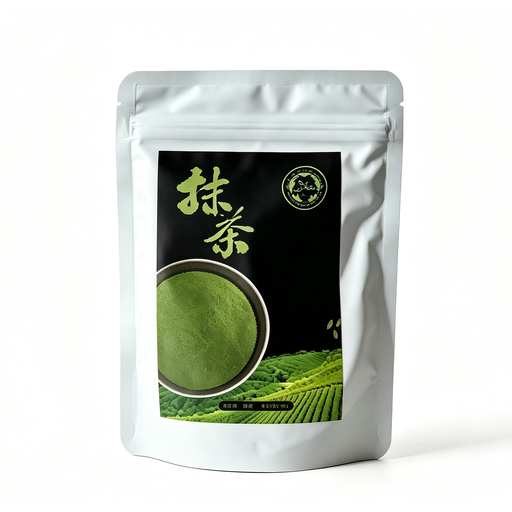 Image unavailable
Powder to measure out for a matcha drink or dessert.
100 g pack, with no individual tea bags; the number of servings depends on how much you use each time.
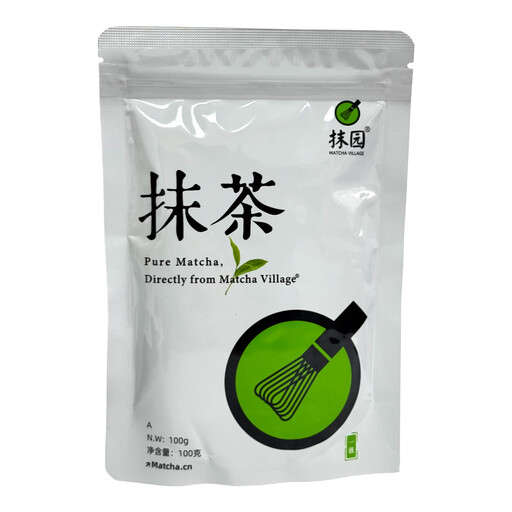 Image unavailable
Powder to measure out for drinks or desserts; if the exact matcha content is important for your recipe, check the ingredients on the packaging.
100 g pack, not 80 pre-portioned servings.
Not necessarily: the Pukka pack listed by Coffee-Webstore contains four boxes of 20 tea bags. Check the number of boxes and the total number of tea bags if storage or splitting them between different places matters to you.
Not if the recipe needs matcha to be the main ingredient: the Pukka tea described by Carrefour contains 2% matcha in a green tea blend, while the SIPSTA powder listed by Carrefour is described as 100% organic matcha green tea. Check the ingredients before choosing a product for your latte or bake.
Preparation depends on the powder you choose. For its matcha, Kusmi Tea recommends whisking the powder with water at 80 °C, then adjusting the drink with water or milk; follow the instructions for the product you’re using.
Yes, tea naturally contains caffeine. Anses says it can delay falling asleep and reduce the length and quality of sleep; if you’re sensitive to it, consider when you drink it and what other caffeinated drinks you have.