A student in a hurry with no tea-making equipment
When you’ve just moved into a new place, you may want to make a hot drink without a whisk or measuring anything out. A tea bag offers a simple solution, as long as you’re happy with the ingredients.


For a hot drink with no need to measure powder or use a whisk, choose a tea bag containing matcha, after checking the ingredients: the Pukka and Jardin Bio Étic products featured by Auchan contain 2% and 3% matcha respectively. If you want to mix matcha straight into a drink or use it in cooking, choose a powder and be prepared to measure it out. Check the product packaging to confirm whether a tea bag is pyramid-shaped; its shape alone is no guarantee of a better brew.
When you’ve just moved into a new place, you may want to make a hot drink without a whisk or measuring anything out. A tea bag offers a simple solution, as long as you’re happy with the ingredients.
You want to mix matcha into a hot or cold drink, or use it in a recipe. Powder gives you that flexibility, but you’ll need to measure and mix it.
You want to tell matcha powder apart from tea that contains matcha, check the other ingredients and consider your caffeine intake, particularly if you drink tea later in the day.
Choose this if: you want to brew a cup without preparing matcha powder.
Bear in mind: the tea bag may contain mostly green tea or other plants, rather than matcha powder to mix into a drink.
Choose this if: you want to mix matcha into a drink or use it in cooking.
Bear in mind: you’ll need to measure and mix the powder; whisking it also requires a whisk.
If you’re a student moving into a new place, first decide whether you want to brew a tea bag or mix a powder. Then check the ingredients and instructions for the product you’re considering. Don’t assume what’s inside based on the shape of the tea bag alone.
| Criteria | What to check | Who is it for? |
|---|---|---|
| Easy to prepare | Is the product meant to be brewed or mixed? Check the number of tea bags and the preparation instructions. | My new place isn’t fully equipped yet, and I want to make a cup without measuring powder or getting a whisk out; around 42% of consumers would make ease of preparation their top priority. |
| Matcha to mix | Check that the product is a powder suited to how you plan to use it, then read the recommended amount and water temperature. | I’d rather prepare matcha myself for drinks or recipes, even if it takes a few more steps. This would be the top priority for around 33% of consumers. |
| Ingredients and caffeine | Check the product name, ingredients, stated matcha content and highlighted allergens; consider what time of day you drink tea. | If I’m looking for specific ingredients or drink tea in the evening, I want to know what’s in the box before I buy it; nearly 25% of consumers would prioritise checking this. |
The Pukka and Jardin Bio Étic teas featured by Auchan contain 2% and 3% matcha respectively. They’re therefore not the same as powder intended to be mixed straight into a drink.
Compare the product name and ingredients before choosing between tea to brew and powder to mix.
The shape of a tea bag alone doesn’t tell you how much matcha it contains or how the drink will taste.
If you specifically want pyramid tea bags, check that the shape is stated on the product page or packaging, along with the contents and brewing instructions.
The Anses says that caffeine can delay falling asleep and reduce sleep duration and quality. This is worth considering if you drink tea during late-night study sessions.
Take into account what time you drink it and any other drinks you have that contain caffeine.
The storage instructions for the tea bag products featured by Auchan specify that they should be kept in a dry place. So, if you’re still getting your kitchen set up, it’s worth thinking about where you store them, too.
Follow the instructions on the packaging and keep the product sealed and away from moisture.
Auchan features an organic green tea containing matcha, in a box of 20 tea bags.
Auchan features a green tea with matcha and lemon, in a box of 20 tea bags.
Auchan features an organic matcha powder for use in drinks and recipes.
These products include powders to mix and single-serve preparations, rather than tea bags to brew. If you’re moving into a place with little equipment, distinguish between a pre-measured stick and powder you’ll need to measure yourself. If you’re looking for a pyramid tea bag, check this feature on the product page.
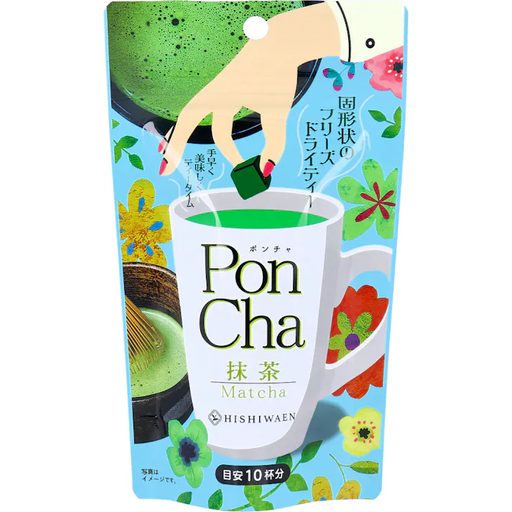 Image unavailable
This single-serve sachet is a good choice if you want a pre-measured portion to mix; it isn’t brewed like a tea bag.
The instructions say to stir the powder into 200 to 300 ml of hot or cold water. The blend contains matcha, dextrin and galacto-oligosaccharides; check the packaging for the proportions.
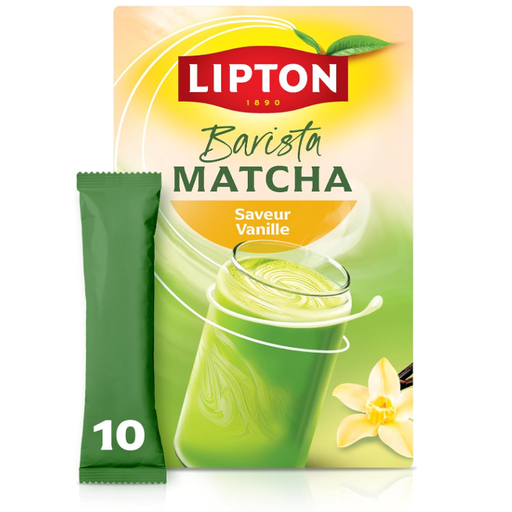 Image unavailable
These sticks are designed to be mixed with hot or cold water, with no need to measure out powder separately; they’re not tea bags for brewing.
The listed ingredients include oat powder, 5,3 % matcha and vanilla flavouring. Check that this is the drink you’re looking for.
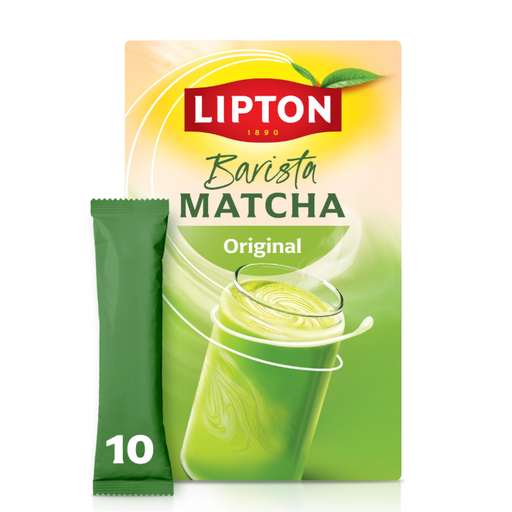 Image unavailable
These sticks offer a ready-portioned preparation to mix, with no need to measure anything out. They make an oat drink containing matcha, rather than a brewed tea.
The listed ingredients include 6,2 % matcha; oats are identified as an allergen. Check the ingredients on the packaging if this matters to you.
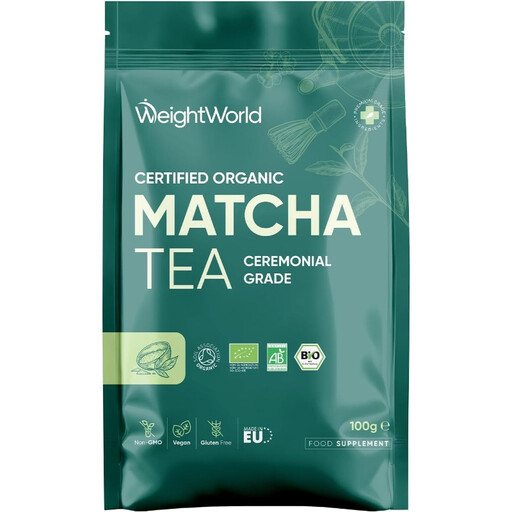 Image unavailable
This powder is for anyone who wants to prepare their own matcha drink or use it in a recipe, and is happy to measure and mix it.
The description says it is made from 100% matcha and gives instructions for whisking it into water at 80 °C. It isn’t a ready-to-brew tea bag; also bear in mind that tea contains caffeine.
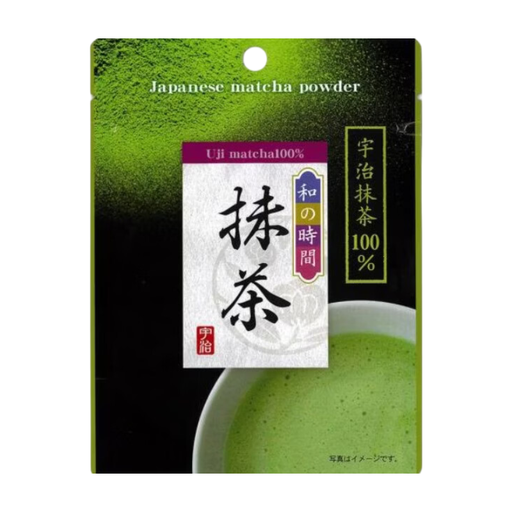 Image unavailable
This powder is suited to a measured, whisked preparation, rather than a cup made by brewing a tea bag.
The description states that it is 100% Uji matcha and recommends around 1 to 2 g in 70 to 80 ml of water at 70–80 °C. The title lists 40 g, while the description says 5 × 40 g; confirm the pack size before buying.
No. The Pukka and Jardin Bio Étic products featured by Auchan are blends containing 2% and 3% matcha respectively. If you’re looking for matcha powder to mix rather than green tea to brew, check the product name and ingredients.
Measure and mix the powder according to the instructions for the product you’ve bought. For example, the Aromandise product page featured by Auchan recommends around 1 g per 100 ml of water, at around 70 °C, for whisked matcha; you’ll need a whisk for this method.
First, check the product name and ingredients to distinguish matcha tea from a preparation to mix or matcha powder. The DGCCRF states that allergens must be highlighted in the ingredients list on prepacked foods. Also check the product’s preparation and storage instructions.
Bear in mind the caffeine in tea if you plan to drink it late. According to the Anses, caffeine can delay falling asleep and reduce sleep duration and quality, so the time you drink it and your other sources of caffeine are worth considering.