If you want to avoid caffeine with your evening study snack, choose an infusion whose label confirms that it is caffeine-free, such as rooibos, rather than matcha. Matcha is powdered green tea and contains caffeine. An instant matcha latte may also contain caffeine and add other ingredients, including sugar.
Who are these options for?
Anyone studying in the evening who wants to avoid caffeine
You’re looking for a hot drink to go with a snack, without adding caffeine late in the day. The word ‘matcha’ doesn’t meet that requirement: Kusmi Tea points out that matcha contains caffeine, whose possible effects on sleep are outlined by Anses.
Matcha fans studying during the day
You’d like to enjoy the taste and preparation of powdered green tea at a time when caffeine suits you. The matcha products listed by Carrefour, Lidl and ALDI shouldn’t be mistaken for caffeine-free drinks.
Anyone choosing between tea bags, powder and lattes
You want a drink that suits your break, but these formats don’t all refer to the same recipe. Before choosing an instant mix, compare the ingredients, any allergens listed on the packaging and the nutritional information, especially the sugar content.
What should you look for first?
For a study break, first decide whether caffeine suits the time of day. Then choose your type of drink and check its ingredients.
Rooibos infusion
Choose this if: you want an evening drink and the specific product clearly states that it is caffeine-free.
Bear in mind: rooibos doesn’t taste or work like powdered matcha green tea.
Matcha powder
Choose this if: you want matcha itself and plan to drink it at a time when caffeine suits you.
Bear in mind: matcha contains caffeine. Anses says this can delay sleep and reduce its duration and quality.
Instant matcha latte
Choose this if: you’d rather prepare a mix than use matcha powder on its own.
Bear in mind: the recipe may contain sugar and other ingredients without being caffeine-free, as shown by the JENI mix listing on Joybuy.
| Priority |
What to check |
Who it’s for |
| Avoiding caffeine in the evening |
Look for ‘caffeine-free’ on the specific product and read its ingredients list; the word ‘matcha’ isn’t enough. |
If I’m studying late, I want a hot drink without caffeine rather than the taste of matcha. Around 46% of consumers prioritise avoiding caffeine. |
| Sticking with matcha |
Tell matcha powder apart from a tea bag blend that contains only some matcha, then consider what time you’ll drink it. |
I’d rather make matcha while studying during the day, as long as caffeine suits me. Taste and ritual come first for around 27% of consumers. |
| Choosing a format and recipe |
Compare the ingredients, listed allergens, sugar content and number of servings across products of the same type. |
For an easy-to-prepare study break, I want to know what’s in the mix before choosing it. Convenience and ingredients are the top priority for around 27% of consumers. |
Common mix-ups to avoid
-
Assuming ‘matcha’ means ‘decaffeinated’
Matcha is powdered green tea and contains caffeine. According to Anses, caffeine can delay sleep and reduce its duration and quality, which is especially important when choosing a late-night drink.
For the evening, check that the specific product explicitly says it is caffeine-free. If you want matcha, save it for a time when caffeine suits you.
-
Confusing matcha-flavoured tea with matcha powder
The ingredients can be very different: Carrefour’s listing for Pukka matcha green tea states that it contains 98% green tea blend and 2% matcha.
Read the product name and ingredients list to check whether you’re buying matcha powder or a tea that contains matcha.
-
Assuming instant matcha latte is pure matcha
The Joybuy listing for JENI 3-in-1 powder includes sugar, non-dairy creamer, matcha and maltodextrin, among other ingredients. It also states that it contains caffeine.
Before choosing a latte to go with your snack, check its ingredients, listed allergens and nutritional information, especially the sugar content.
Brands to consider as a guide
CARREFOUR BIO
Carrefour offers organic matcha green tea under this brand. It’s worth considering if you’re looking for matcha powder.
- The product name helps distinguish this option from a rooibos infusion.
- If you want a caffeine-free evening drink, don’t assume that ‘matcha’ means decaffeinated: check the specific product.
LOYD
Lidl describes LOYD Organic Matcha as powdered Japanese green tea for making a hot or cold drink.
- The powder format suits anyone looking to prepare a matcha drink.
- This description doesn’t mean the product is caffeine-free. Check the label if caffeine is a deciding factor.
ASIA GREEN GARDEN
ALDI offers a 40 g pack of ASIA GREEN GARDEN matcha powder.
- The 40 g pack gives you a clear reference point for comparing powder formats.
- Don’t choose it as a caffeine-free option based on the name alone: check the details on the specific product.
KROON
The KROON rooibos infusion featured by Carrefour is an alternative to matcha for an evening drink.
- The Carrefour listing explicitly states that this product contains neither caffeine nor theine.
- It’s rooibos, not matcha. Check the label on the pack you choose, too.
ALTER ECO
Carrefour describes the ALTER ECO infusion as 100% rooibos and naturally free from theine.
- These ingredients help distinguish it from a blend containing green tea.
- Rooibos won’t replace the taste of matcha. Read the label if avoiding caffeine is your deciding factor.
Drinks available on Joybuy
For a study break, this selection includes two rooibos tea bags to consider for the evening and two matcha powders for a time when caffeine suits you. If avoiding caffeine is essential, check the label on the product you choose.
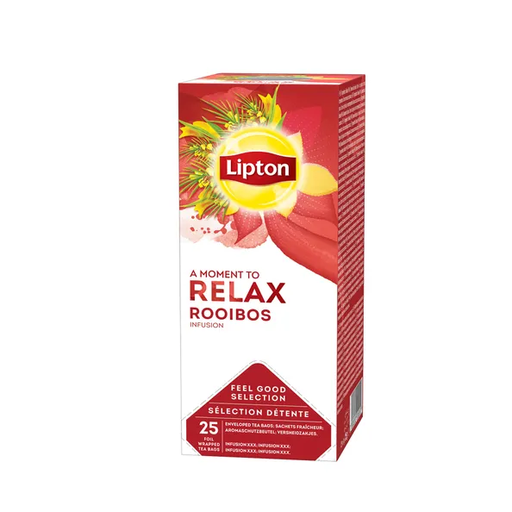 Image unavailable
Lipton Feel Good Selection Rooibos, 25 tea bags
A rooibos infusion in tea bags to consider if you’d rather avoid matcha in the evening. The listing describes this product as caffeine-free; check this on the packaging. It isn’t a matcha drink.
Pack size: 25 tea bags.
View on Joybuy
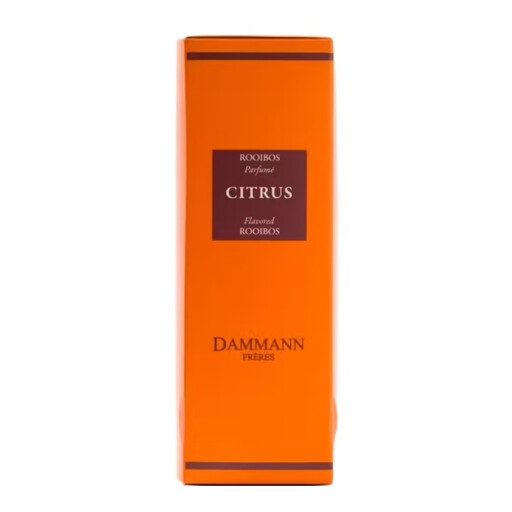 Image unavailable
DAMMANN FRERES Citrus Rooibos, 24 tea bags, 48 g
Rooibos in tea bags for anyone who’d prefer a citrusy infusion to matcha. The description says it’s caffeine-free; check the label, including the ingredients, before choosing it.
Pack size: 24 tea bags, 48 g.
View on Joybuy
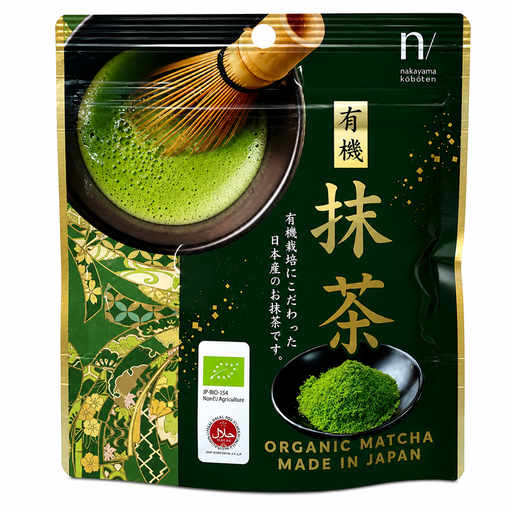 Image unavailable
JP Nakayama Organic Matcha, 30 g
Matcha powder to consider for a daytime break if caffeine suits you. Matcha contains caffeine, so don’t choose this as a decaffeinated evening drink.
Pack size: 30 g.
View on Joybuy
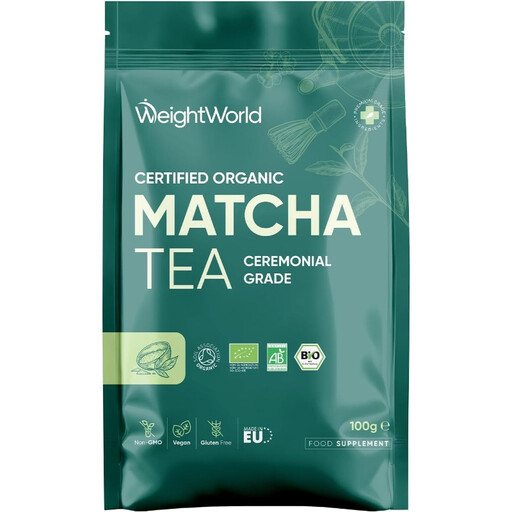 Image unavailable
WeightWorld Certified Organic Ceremonial Matcha, 100 g
Matcha powder for anyone who wants to make this drink at a time when caffeine suits them. The description states that it contains caffeine, so it isn’t a decaffeinated option for the evening.
Pack size: 100 g.
View on Joybuy
Frequently asked questions
Is matcha decaffeinated?
No. ‘Matcha’ doesn’t mean ‘decaffeinated’: it refers to powdered green tea that contains caffeine, as Kusmi Tea points out. If you’re looking for a decaffeinated product, check that the specific item explicitly says so.
What should I drink with an evening study snack if I want to avoid caffeine?
Choose an infusion whose label confirms that it is caffeine-free. Carrefour’s listing for KROON rooibos states this explicitly; its ALTER ECO rooibos listing describes a recipe made from 100% rooibos and naturally free from theine. Always check the pack you choose.
Is matcha tea in a tea bag the same as matcha powder?
No. A tea bag blend may contain mostly other green teas. For example, Carrefour states that the Pukka product contains 98% green tea blend and 2% matcha. Check the ingredients if you’re specifically looking for matcha powder.
What should I check before buying an instant matcha latte?
Check the ingredients, listed allergens, sugar content and caffeine information. The Joybuy listing for the JENI 3-in-1 mix includes sugar, non-dairy creamer and matcha, among other ingredients, and states that it contains caffeine. ‘Latte’ doesn’t guarantee either a pure matcha recipe or a decaffeinated drink.


