To make a cup with a pronounced grassy flavour for a sale, choose a powder labelled 100% green tea matcha, then test the amount in your recipe. Matcha tea bags are for a different purpose: the Pukka tea sold by Auchan contains 2% matcha and is brewed by infusion. For a matcha latte, check the ingredients list and matcha content before deciding whether it’s right for your recipe.
Who is this guide for?
Organisers looking for a bold, grassy flavour
If you want the matcha to stand out in your recipe, a powder labelled 100% green tea matcha lets you adjust the amount. However, this ingredient list alone doesn’t guarantee how intense the flavour will be in the cup.
Shoppers looking to try a smaller pack
To test a recipe before the sale or avoid leftovers, compare the net weights: the products listed by Lidl France and ALDI France are 40 g, the SIPSTA product at Carrefour is 50 g, and Carrefour Bio’s is 55 g. Check that your chosen size is available at your local shop.
Consumers keeping an eye on caffeine
If you’re planning to serve several cups, also take into account the coffee, tea and other caffeinated drinks consumed throughout the day. The European Food Safety Authority (EFSA) considers caffeine intake from all food sources; its general guidance doesn’t cover people with an illness or medical condition.
What to look for when preparing for a sale
First decide whether you want to measure out matcha powder, serve tea bags to brew, or use a latte mix. Whatever you choose, the product name is no substitute for checking the ingredients or trying the recipe before serving it.
| What matters |
What to check |
Who it matters to |
| Bold flavour |
For pure powder, look for the words “100% green tea matcha” and taste your recipe using the amount you plan to serve. For tea bags or a latte mix, read the ingredients list and check the stated matcha content. |
If I want the matcha to stand out in my cup, I need to be able to choose how much powder to use rather than relying on the word “matcha” on the front of the pack. Around 36% of consumers would put this control over the ingredients first. |
| How much to buy |
Note how much you use per cup when testing your recipe, then compare it with the net weight of the packs you’re considering. |
To serve the number of cups I’m planning without having too much powder left over after the sale, I need a tested recipe. Around 29% of consumers would make the quantity needed their top priority. |
| Preparation and serving |
Compare the steps involved in brewing a tea bag, mixing powder or making a latte with the equipment you have. |
When I need to serve several cups, I prioritise a preparation method that suits the pace of service, even if the result differs from pure powder. Around 21% of consumers would put simplicity first. |
| Caffeine |
Consider other sources of caffeine consumed throughout the day and check the information per serving if it’s shown on the product. |
If I also drink coffee or other caffeinated drinks, I want to keep track of my overall intake rather than count only my cups of matcha. Around 14% of consumers would make monitoring their intake their main concern. |
Mistakes to avoid
-
Confusing “matcha-flavoured” products with pure matcha powder
According to the product pages at Carrefour, Carrefour Bio and SIPSTA powders are labelled 100% green tea matcha. The Pukka tea sold by Auchan, on the other hand, contains 2% matcha in a green tea blend. The two formats are prepared differently.
Check the ingredients and matcha percentage of the product you choose before adapting your recipe.
-
Buying packs without testing the amount you need
The net weight alone won’t tell you how many cups your recipe will make.
Measure the powder you use when testing your recipe, then work out how it compares with the number of cups you expect to serve at the sale.
-
Relying on a one-off offer
A time-limited offer doesn’t guarantee that the product will be available when you’re preparing for the sale.
Check that the product is available at your chosen shop before settling on your recipe, and keep another powder with suitable ingredients as a backup.
-
Forgetting about other sources of caffeine
According to the EFSA, total caffeine intake includes all food sources, not just matcha. The number of cups alone isn’t enough to work out your intake unless you know how much caffeine is in each serving.
Also take into account other caffeinated drinks consumed throughout the day. If you’re pregnant, breastfeeding, have an illness, are taking medication or are unsure, don’t use general guidance to set your personal intake.
Brands to consider
Carrefour Bio
Carrefour lists a 55 g jar of organic matcha whose ingredients list states that it is 100% green tea matcha.
- The single-ingredient list makes it easy to distinguish this powder from a tea blend.
- The ingredients don’t tell you how strong the flavour will be or how much caffeine the cup contains.
SIPSTA
Carrefour’s SIPSTA product page describes a 50 g organic powder labelled 100% green tea matcha, suitable for drinks and baking, among other uses.
- The powder format lets you test how much to add to your recipe.
- The retailer’s description of the flavour is no substitute for trying it with the amount and ingredients you plan to use.
Pukka
Auchan lists Pukka tea bags as a green tea blend containing matcha.
- The tea bags are designed to be brewed.
- The ingredients list for this product states that it contains 2% matcha, so it won’t replace pure powder in a recipe where you measure out the matcha.
LOYD
Lidl France has listed LOYD Japanese matcha powder in a 40 g pack for hot or cold drinks.
- This net weight may suit a first recipe trial.
- Before choosing this product, check its ingredients list and availability at your chosen shop.
Matcha powders available on Joybuy
These two 100 g powders are options for testing the quantities in a recipe for a sale. The pack size alone doesn’t tell you how strong the flavour will be in the cup.
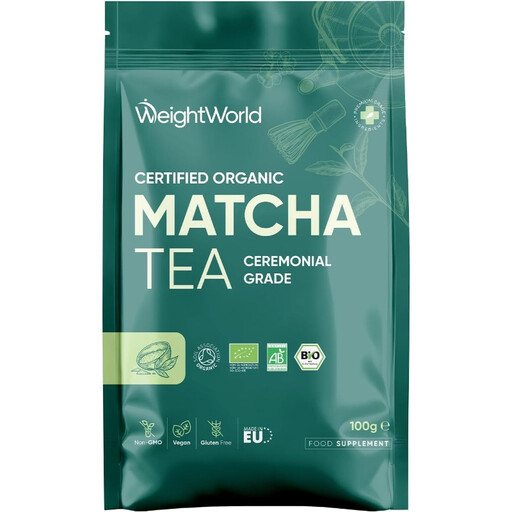 Image unavailable
WeightWorld Certified Organic Ceremonial Matcha Tea, 100 g powder
If you’re developing a recipe before the sale, this 100 g pack gives you enough to test your preferred amount. The description mentions a delicate flavour. If you’re after a bold cup, try it first, and check the packaging for the ingredients and any caffeine information you need.
View on Joybuy
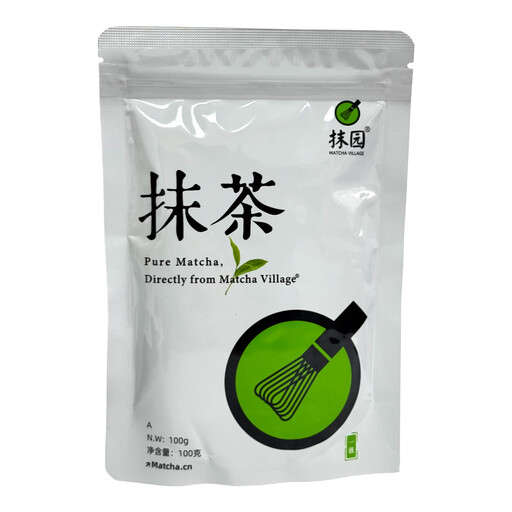 Image unavailable
Matcha Village Matcha Powder, 100 g
This pack contains 100 g of powder for trying out a drink or a recipe for the sale. The description mentions a slight bitterness, but doesn’t guarantee a bold flavour, so check the ingredients on the packaging and taste your preparation. The product page recommends storing it between 0 and 10 °C, which is worth bearing in mind when planning storage.
View on Joybuy
Frequently asked questions
How can I choose bold-tasting matcha without relying on the product name?
If you want to adjust the amount of matcha yourself, start with a powder labelled 100% green tea matcha. The Carrefour Bio and SIPSTA product pages listed by Carrefour state that their respective products have this composition. Only a recipe you’ve tried will tell you whether you like the flavour.
Can matcha tea bags replace pure matcha powder?
Not if you want to make a recipe directly using matcha powder. The Pukka product listed by Auchan contains 2% matcha in a green tea blend and is brewed by infusion. Choose it if that preparation method suits what you want to serve.
How much matcha should I allow for a sale?
Test the recipe, note how much powder you use per cup, then calculate the amount needed for the number of cups you plan to serve. Compare the result with the net weight of the packs you’re considering, rather than estimating the number of portions from the pack size alone.
Should I take caffeine into account if several cups are being served?
Yes. You should also consider other sources of caffeine throughout the day. The EFSA’s guidance covers intake from all food sources. Without knowing how much caffeine is in each serving of the powder, the number of cups won’t tell you your total intake.


