If you want control over what goes into your mid-morning drink, choose a powder whose only ingredient is matcha. Pre-measured sticks make preparation easier, but give you less control over the portion. A latte mix is better suited to those who want a ready-made drink: check how much matcha it contains and what else is in it. Whichever format you choose, take your other sources of caffeine into account. UFC-Que Choisir’s warning about aluminium in the products it tested doesn’t mean that any matcha is automatically suitable for daily consumption.
Who are these formats for?
For those who want to make their own drink
If you want to choose your own water, milk or other additions, start with a product whose only ingredient is matcha. The product listings for SIPSTA and Clipper published by Carrefour describe powders made from organic green tea matcha.
For quick breaks at work or on the go
A pre-measured stick saves you having to measure out the powder. This format is also available as pure matcha, as shown by the SIPSTA sticks featured by Carrefour, so a stick isn’t necessarily a latte mix.
For those keeping an eye on their caffeine intake
Choosing a format doesn’t mean you can ignore the coffee, tea and other sources of caffeine you consume throughout the day. Anses notes that caffeine can disrupt sleep, so the portion you prepare and your own sensitivity are both worth considering.
What should you look for before choosing?
First, distinguish matcha powder from a latte mix, then decide whether you prefer to measure it yourself or use a pre-measured format. If you’re thinking of making this a regular break, also consider the portion you prepare and your other sources of caffeine.
| What to consider |
What to check |
Who this matters to |
| Ingredients |
Read the ingredients list: pure powder contains matcha alone, while a mix lists the proportion of matcha and its other ingredients. |
I’d rather decide what to add to my drink myself than buy a ready-made latte; around 42% of consumers would put ingredients first. |
| Caffeine and frequency |
Check the portion you’ll use and consider all your sources of caffeine, whatever type of matcha you choose. |
If this becomes a regular break, I want to take my sleep and other caffeinated drinks into account; around 33% of consumers would put caffeine management ahead of other criteria. |
| Preparation format |
Compare powder you measure yourself, pre-measured sticks and mixes to dilute, based on how much time and what equipment you have. |
At work, I’m mainly looking for a drink that’s easy to prepare without measuring out the powder; ease of preparation would be the main priority for around 25% of consumers. |
Common mix-ups to avoid
-
Assuming every product labelled “matcha” is pure powder
An instant preparation may contain mostly other ingredients. The Aromandise product listing published by E.Leclerc states that its Matcha coco preparation contains 56.7% coconut milk powder, agave sugar and 10% matcha powder.
To tell whether you’re buying a base to customise or a ready-made drink mix, compare the ingredients list and the proportion of matcha.
-
Forgetting about caffeine because your break is in the morning
Matcha is still a source of caffeine, including in a latte. Anses notes that caffeine can delay falling asleep and reduce both the length and quality of your sleep.
Consider the portion you prepare alongside your other sources of caffeine throughout the day, rather than judging this drink in isolation.
-
Assuming a matcha is suitable for daily use based on its appearance
In an analysis published on 24 September 2026, UFC-Que Choisir found aluminium in all seven products in its sample; four exceeded the reference value cited by the organisation. These findings don’t apply to every matcha.
Don’t assume that a bright colour, an “organic” label or simply choosing powder over a latte means a product is suitable for frequent consumption.
Brands to know when comparing formulas
SIPSTA
Carrefour features SIPSTA organic matcha powder, including pre-measured sticks.
- The ingredients list published by Carrefour states that it contains 100% organic green tea matcha.
- The stick makes portioning easier, but check how much it contains if you’d like to adjust your serving.
Clipper
The Clipper product listing published by Carrefour describes organic matcha powder for you to prepare yourself.
- The stated ingredient is organic green tea matcha powder.
- This isn’t a ready-to-dilute latte mix: you’ll need to measure the powder and choose any additions separately.
Aromandise
The Matcha coco instant preparation described by E.Leclerc is a drink mix, not pure matcha powder.
- The formula combines ingredients including coconut milk powder and matcha to make a drink you can dilute.
- According to E.Leclerc, it contains agave sugar and 10% matcha, so it won’t suit you if you’re looking for a product made with matcha as its only ingredient.
110 GRAINES
Auchan features a 100 g pack of organic matcha powder, with preparation instructions.
- For this product, Auchan recommends mixing around 2 to 4 g of powder into 50 ml of water at 70 °C.
- These quantities apply to this product listing only; follow the instructions for the version you buy.
ASIA GREEN GARDEN
ALDI France features ASIA GREEN GARDEN matcha powder in a 40 g pack as part of its hot drinks range.
- The 40 g pack makes it easy to spot this product among the available powder formats.
- Before comparing it with a powder made only from matcha, check the ingredients list on the packaging.
Matcha powders and preparations on Joybuy
These products show two ways to enjoy a break: measure out matcha powder yourself or choose a pre-portioned preparation, such as a latte or flavoured mix. Compare their ingredients and format to find the right option for the drink you want to make.
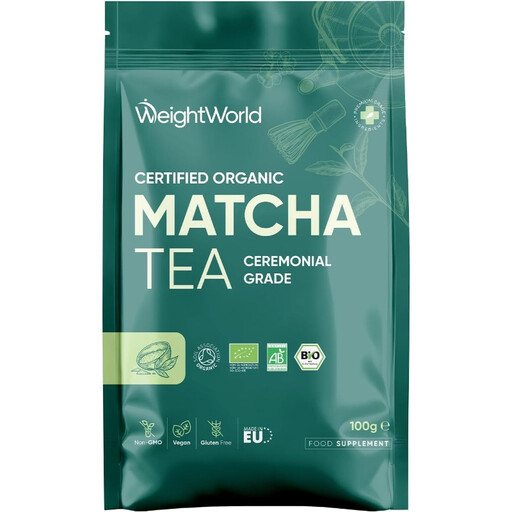 Image unavailable
WeightWorld Certified Organic Ceremonial Matcha Tea, 100 g powder
For a drink you’d rather measure and make yourself than have as a pre-portioned latte. The pack contains 100 g of powder; check how much to use for each drink.
View on Joybuy
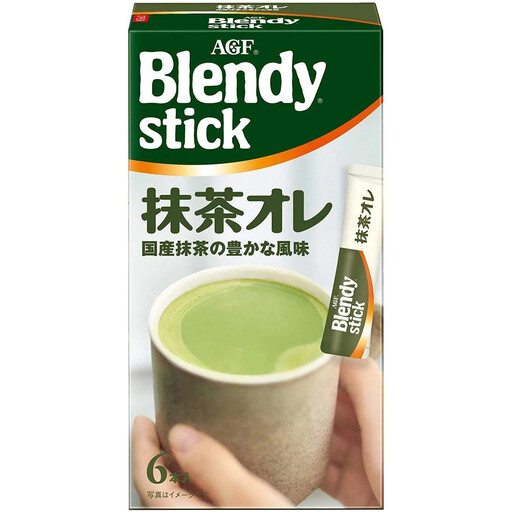 Image unavailable
AGF Blendy Stick Matcha Latte, pack of 6 (60 g)
For making a matcha latte in a stick during a quick break. The pack contains six sticks, weighing 60 g in total; check the ingredients and nutritional information if you want to keep an eye on sugars or check whether it contains milk.
View on Joybuy
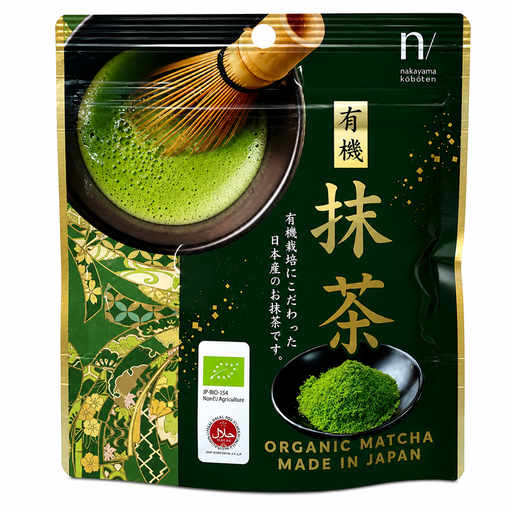 Image unavailable
JP Nakayama Organic Matcha, 30 g
For making your own matcha drink. With this 30 g pack, you’ll need to decide how much to use per cup; check the ingredients and preparation instructions on the packaging.
View on Joybuy
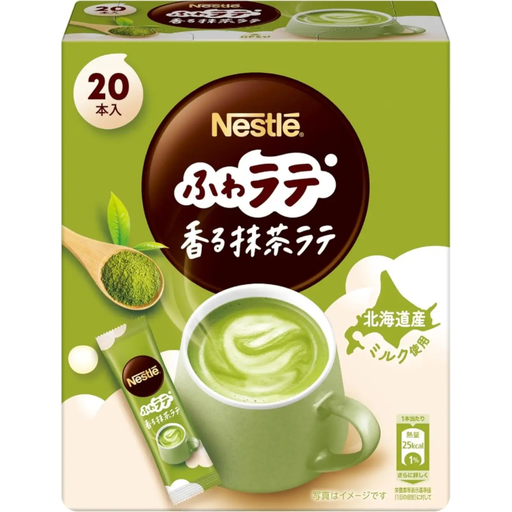 Image unavailable
Nestle fragrant Matcha Latte, 20 servings
For a break when you’d rather have a pre-portioned latte mix than powder to measure yourself. The pack contains 20 servings; check the ingredients list and preparation instructions before choosing this formula.
View on Joybuy
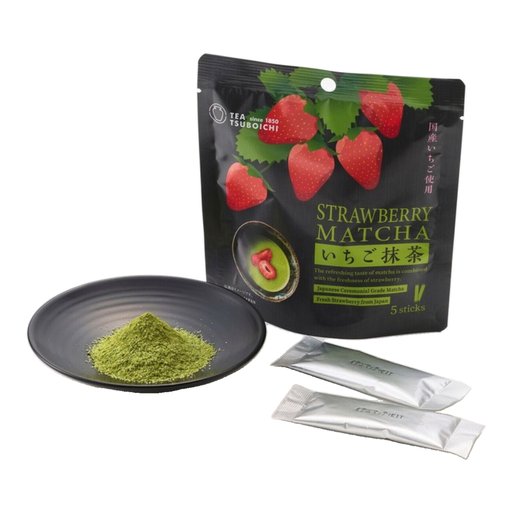 Image unavailable
Tsuboichi Strawberry Matcha Stick, 5 sticks (50 g)
For choosing a strawberry matcha mix in sticks rather than matcha powder you can customise. The pack contains five sticks, weighing 50 g in total; check the ingredients and nutritional information if the amount of sugar matters to you.
View on Joybuy
Frequently asked questions
How can I tell matcha powder from a latte mix?
Read the full ingredients list, not just the name on the front of the pack. The SIPSTA and Clipper powders featured by Carrefour list organic green tea matcha as an ingredient, while the Matcha coco preparation described by E.Leclerc also contains coconut milk powder and agave sugar.
How much powder should I use for a mid-morning break?
Follow the instructions for the product you’ve chosen rather than using the same amount for every matcha. For its 110 GRAINES powder, Auchan recommends around 2 to 4 g in 50 ml of water at 70 °C; these proportions apply to this preparation example only.
Does a matcha latte still count towards my caffeine intake?
Yes: adding other ingredients doesn’t remove the caffeine from the matcha. To work out how this drink fits into your day, consider the portion you prepare as well as your other sources of caffeine; Anses notes that its effects on sleep vary from person to person.
What does the aluminium warning mean when buying matcha?
It’s a reminder not to assume that a product is suitable for frequent consumption based only on its format or appearance. On 24 September 2026, UFC-Que Choisir reported finding aluminium in all seven matchas in its sample, with four exceeding the reference value cited by the organisation; these findings don’t tell us what the result would be for a product that wasn’t included in the sample.


