Fans of a pronounced vegetal flavour
You’re looking for a cup with a distinct vegetal flavour and want to measure the powder so you can tailor the preparation to your taste.


For a mid-morning break focused on a vegetal flavour, choose a matcha powder with ingredients that suit your preferences, then adjust the amount you use. The word “strong” alone doesn’t tell you what your cup will taste like or how much caffeine it contains. Pure matcha sticks save you from measuring the powder during a short break, but give you less control over the amount. An instant latte is quick to make, but may contain sugar, cream and other ingredients.
You’re looking for a cup with a distinct vegetal flavour and want to measure the powder so you can tailor the preparation to your taste.
At work or on the go, you’d rather not measure out the powder. A pre-portioned stick and an instant preparation meet this need in different ways, and they may not have the same ingredients.
You want to check the ingredients in a latte and take account of the caffeine in your other drinks, rather than relying on the word “strong” alone.
For this break, first decide whether you want a vegetal-tasting cup of matcha, a quick preparation or a particular ingredient list. Then compare the format and the preparation instructions.
| What to consider | What to check | Who it suits |
|---|---|---|
| Flavour and portion size | The ingredients list and the recommended amount of powder for making a cup. | I want to bring out the vegetal flavour and adjust the amount of powder rather than rely on the word “strong”; around 50% of consumers put this first. |
| Quick preparation | Whether a stick is pre-portioned, and how the ingredients differ between pure matcha and an instant latte. | When my break is short or I’m on the go, I’d rather not measure the powder; speed is the top priority for around 30% of consumers. |
| Ingredients and caffeine | Sugars, declared allergens and, where shown on the label, the amount of caffeine per serving. | I want to know what’s in my drink and take account of my other sources of caffeine; around 20% of consumers prioritise these checks. |
The ingredient lists published on Joybuy for JENI and Goldkili include sugar and milk-based ingredients, among other things. The Goldkili product listing states that it contains 2% matcha powder, so these preparations aren’t comparable to a powder made from matcha alone.
Read the full ingredients list and check the declared allergens. If you’re mainly looking for the taste of matcha tea, check the matcha content before choosing a latte.
A marketing term is no substitute for a flavour description or preparation instructions. A more pronounced flavour also doesn’t tell you how much caffeine is in your cup.
Compare the ingredients and preparation instructions, then check whether the caffeine content is stated if that information matters to you.
Anses notes that caffeine can affect sleep, among other things, and that its effects vary from person to person. Matcha adds to the other sources of caffeine you consume throughout the day.
If you change the amount you use, remember to take account of your coffee, tea and other caffeinated drinks too. Don’t mistake a robust flavour for a measure of caffeine.
If you don’t use powder often, you’ll need to be able to store it as directed on the packaging until you’ve finished the pack.
Choose a pack size that suits how often you make matcha, close the container securely and follow the instructions for protecting it from heat, light and moisture.
Carrefour offers an organic matcha powder in a 50 g pouch, as well as pre-portioned sticks.
Auchan’s product listing features a 100 g pack of organic matcha powder, with instructions for making a hot drink.
Carrefour offers a 300 g pouch of organic green tea matcha powder.
Carrefour’s product listing features a 55 g jar of organic green tea matcha.
Lidl France offers 40 g of Japanese organic matcha powder, for making hot or cold drinks.
These powders are suited to making matcha from scratch for a mid-morning break. Their inclusion here doesn’t mean they’ll all make a particularly robust cup. If you want to adjust the flavour, compare the ingredients and instructions for each product.
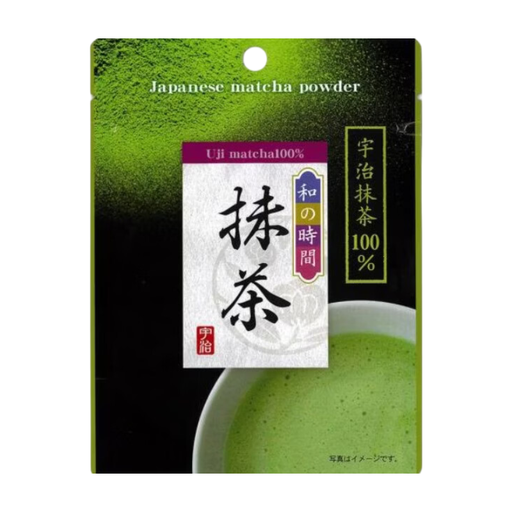 Image unavailable
A powder to consider if you’d rather make your own drink than use an instant mix.
Check the product’s preparation instructions before changing the amount of powder you use; its name alone doesn’t tell you how intense the cup will be.
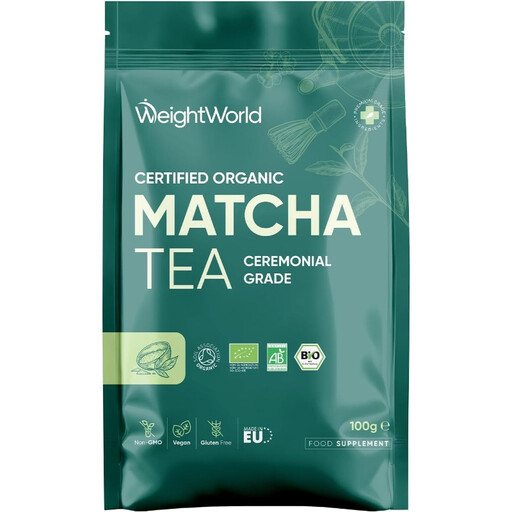 Image unavailable
The powder format suits a break when you have time to prepare and measure your own cup.
The word “Ceremonial” alone doesn’t tell you what the drink will taste like or how much caffeine it contains per serving.
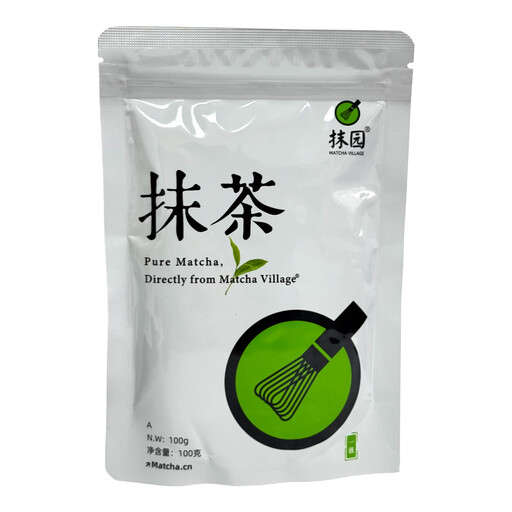 Image unavailable
This powder is for people who want to prepare matcha during their break rather than choose an instant latte.
If you’re looking for a product made exclusively from matcha, check the ingredients list on the packaging before you buy.
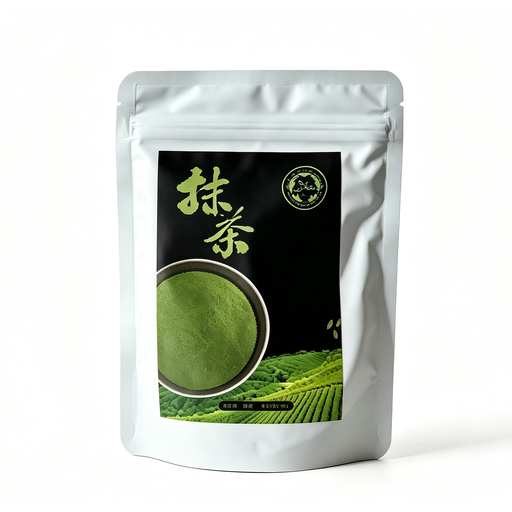 Image unavailable
This 100 g powder is worth considering if you want to measure the amount you use in your drink yourself.
Check the product instructions for how to make a cup; the pack size doesn’t indicate how intense the flavour will be.
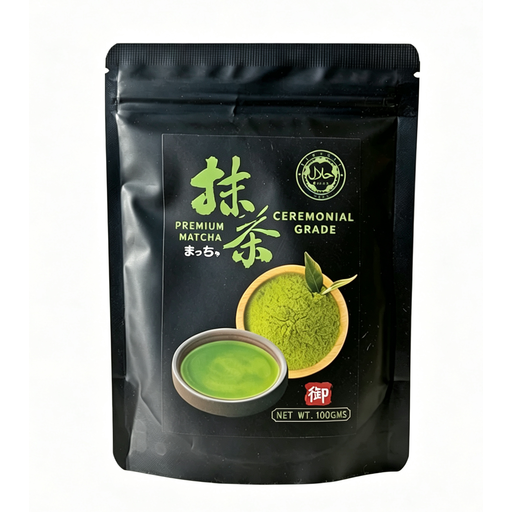 Image unavailable
This powdered format is suitable if you want to choose how much matcha to use.
The word “Premium” in the name isn’t a measured indication of a more robust flavour; check the ingredients and preparation instructions.
No. The word “strong” isn’t enough to tell you what the cup will taste like or how much caffeine it contains. Check the ingredients, flavour description and portion-size guidance instead; a more pronounced flavour doesn’t tell you how much caffeine you’re consuming.
Choose pure powder if you want to measure the matcha yourself without the other ingredients in a latte. Go for an instant preparation if convenience matters more to you. Either way, compare the ingredients lists: the JENI and Goldkili product listings on Joybuy declare sugar and milk-based ingredients, among other things.
Start by following the instructions for your chosen powder, then adjust the amount to taste while keeping caffeine in mind. As a product-specific guide, Auchan recommends around 2 to 4 g of 110 GRAINES in 50 ml of water at 70 °C; this amount doesn’t automatically apply to other products.
Follow the instructions on the packaging and close the container securely. Auchan’s 110 GRAINES product listing recommends protecting the powder from heat, light and moisture; check the storage instructions for the product you buy.
Yes. Take matcha into account alongside the other caffeinated drinks you consume throughout the day. Anses notes that caffeine can affect sleep and that its effects vary from person to person. If the caffeine content per serving isn’t stated, you can’t work it out from how the cup tastes.