Who is each format for?

For a cup of matcha you can tailor to taste

If you want to adjust the amount of matcha in each cup, a powder with green matcha tea as its only ingredient gives you that flexibility. Carrefour lists its Carrefour Bio product as 100% green matcha tea; the Lipton Barista stick featured by Auchan, on the other hand, is an oat-based blend.

For drinks and baking recipes

If you want to use the same powder in a cup and in recipes to accompany a sandwich range, check its recommended culinary uses. The 110 Graines listing published by Auchan mentions savoury and sweet recipes, but doesn’t describe the result in any particular sandwich recipe.

For a consistent drinks service

If an easy-to-repeat recipe matters more than being able to adjust the matcha dose freely, a stick with a specified amount of water may suit you. According to the Lipton Barista listing published by Auchan, this format contains 6.2% matcha and 93.5% instant oat powder.

What should you check before buying?

For a bakery sandwich range, first decide whether you’ll serve matcha by the cup, make lattes quickly or use it in cooking too. You can then compare formats by checking the ingredients and instructions for each product. The word “strong” is no substitute for comparing caffeine content on a like-for-like basis.

Criterion What to check Who is it for?
Adjustable matcha flavour The ingredients list and whether you can measure out the powder for each cup. I want to decide how much matcha goes into my cup rather than follow a pre-measured blend recipe. Around 36% of consumers make this their priority.
Consistent service The amount of water specified per stick, the number of servings and the proportion of matcha. When drinks are being prepared one after another at the counter, I prefer a recipe that’s easy to repeat. Consistent service comes first for around 29% of consumers.
Use in cooking Any recommended savoury or sweet uses, and storage instructions. I’d like to use the same powder in drinks and some baking recipes, even if I need to adjust the final recipe. This versatility is the priority for around 21% of consumers.
Ingredients and caffeine The full ingredients list, any stated allergens and, if it’s important to you, the caffeine content for a defined serving. If I’m keeping an eye on ingredients or my caffeine intake, the advertised flavour alone isn’t enough to help me choose. Around 14% of consumers prioritise this information.

Common misunderstandings to avoid

  • Mistaking a latte mix for pure matcha

    The name “matcha” can refer to tea powder or to a drink made with several ingredients. Carrefour lists its Carrefour Bio powder as 100% green matcha tea, while the Lipton Barista listing published by Auchan states that it contains 6.2% matcha and 93.5% instant oat powder.

    Read the ingredients list before choosing: with pure powder, you can control how much matcha you add, whereas a stick follows the recipe it contains.

  • Assuming “intense” or “strong” means a measured caffeine content

    For Lipton Barista, the amounts of water specified by Auchan change the flavour of the prepared drink. They don’t let you compare its caffeine content with that of a matcha powder.

    If caffeine content is a deciding factor, compare figures for the products you’re considering, using the same quantity of product or the same defined serving.

  • Overlooking other sources of caffeine

    According to Anses, the effects of caffeine on sleep vary from person to person. The taste of a cup of matcha alone can’t tell you how much caffeine you’ve consumed throughout the day.

    Take account of any other caffeinated drinks you consume and choose when to serve matcha accordingly.

  • Choosing a culinary powder without planning how to store it

    A powder used in several recipes may be left open between uses. The 110 Graines listing published by Auchan recommends protecting it from heat, light and moisture.

    Before choosing this product for serving and cooking, make sure you have somewhere to store it in line with these instructions.

Brands to consider

Carrefour Bio

Carrefour offers organic matcha powder in a 55 g tin, for making drinks and measuring out the tea yourself.

  • Carrefour’s published ingredients list states that it contains 100% green matcha tea.
  • This ingredient list doesn’t establish that the powder contains more caffeine than another pure powder.

110 Graines

The 100 g organic matcha powder featured by Auchan is recommended for drinks as well as savoury and sweet recipes.

  • Its product listing suggests mixing 2 to 4 g of powder with 50 ml of water at 70 °C to make a drink.
  • The stated culinary use doesn’t describe the flavour you’ll get in any particular sandwich recipe.

Lipton

Lipton Barista Matcha Original comes in sticks for making an oat-based matcha drink; it isn’t pure matcha powder.

  • The listing published by Auchan specifies 150 ml of water for an intense flavour or 170 ml for a mild flavour.
  • The same ingredients list states that it contains 93.5% instant oat powder and 6.2% matcha.

Kusmi Tea

Kusmi Tea describes its Japanese organic matcha powder as suitable for uses including lattes and baking.

  • The brand describes it as having vegetal notes with a slight bitterness, and suggests preparing it with water at 80 °C.
  • This flavour description isn’t a comparative measure of strength or caffeine content.

Matcha powder on Joybuy

This powder suits anyone who wants to measure out matcha themselves for a cup served alongside a sandwich range. Before adding it to your menu, decide on the dose and preparation you want to use for consistent service.
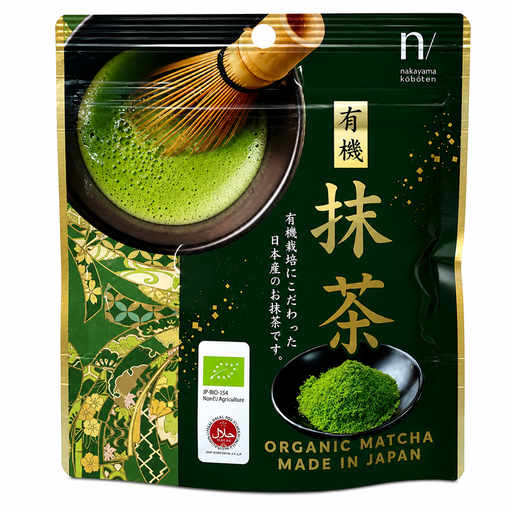
JP Nakayama Organic Matcha powder, 30 g

JP Nakayama Organic Matcha 30 g

Worth considering if you want to measure out the powder for each cup rather than use a pre-measured latte stick.

Size: 30 g. For consistent service, check the preparation instructions and set the amount of powder to use per cup.

View on Joybuy

Frequently asked questions

Does the word “strong” guarantee more caffeine?

No. The word “strong” on its own doesn’t tell you how much caffeine a drink contains in a way that allows a comparison. If caffeine content guides your choice, ask for figures for each product and check that they refer to the same amount of powder or the same serving size.

Which matcha should I choose if I also want to use it in baking recipes?

Choose a powder that’s recommended for the types of recipes you have in mind. The 110 Graines listing published by Auchan mentions savoury and sweet recipes. Try it in your own recipe, as the listing doesn’t describe the result in any particular sandwich.

How can I get the intense flavour specified for Lipton Barista Matcha Original?

The Lipton Barista listing published by Auchan specifies one stick with 150 ml of water at 90 °C for an intense flavour, compared with 170 ml for a mild flavour. Changing the amount of water alters the prepared drink, not the proportion of matcha in the stick.

What should I check in the ingredients of pre-packed matcha?

Read the full ingredients list to distinguish matcha powder from a preparation containing other ingredients. For pre-packed food sold in France, the Directorate General for Competition Policy, Consumer Affairs and Fraud Control reminds consumers that allergens must be highlighted in the ingredients list.

Does a robust flavour tell me how much caffeine I’m consuming?

No. The perceived intensity doesn’t tell you how much caffeine is in a cup. Anses notes that caffeine’s effects on sleep vary from person to person. If this information matters to your choice, look for a figure for the product and serving you’ll prepare, and take your other caffeinated drinks into account too.